
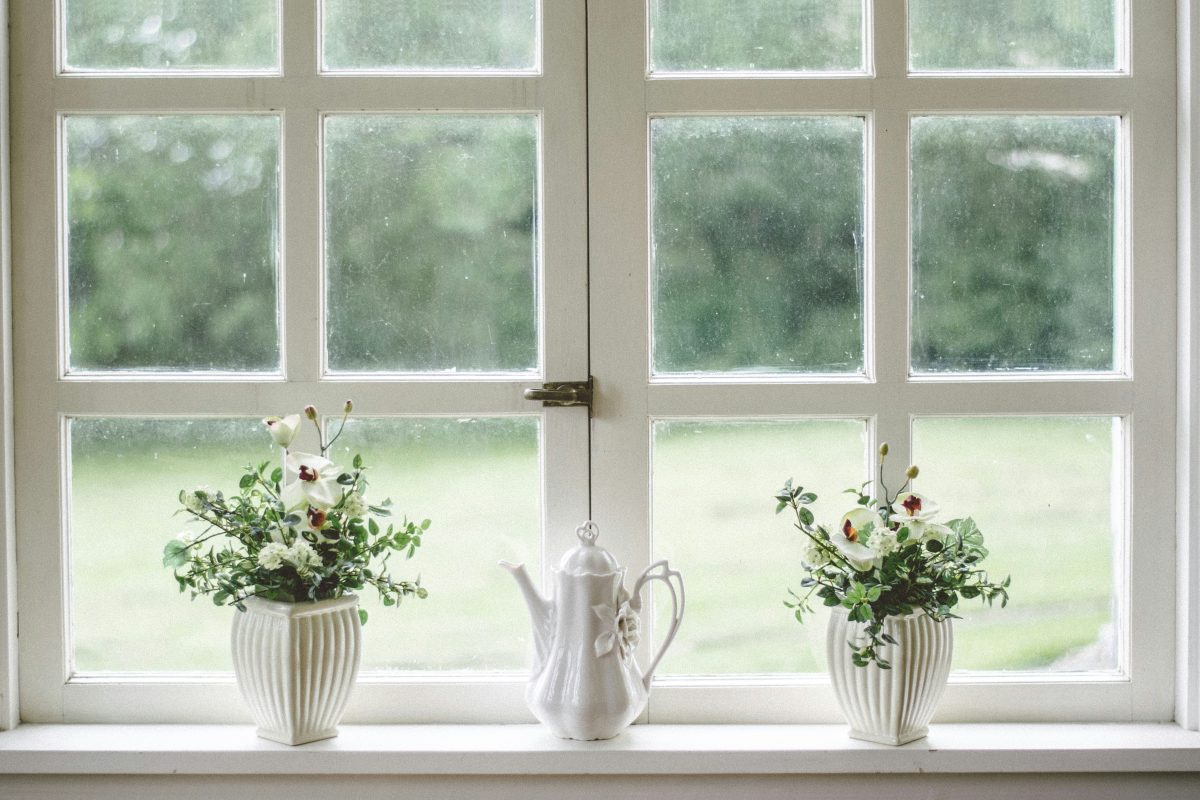
 ©Nathan Fertig via Unsplash
Anyone who lives in a house with outdated window frames knows only too well: the cold does not come in through the front door, but through that little stream of fresh air that silently seeps in between the glass and frame. It's an uninvited guest that nestles next to the sofa during the winter and brings a heat wave during the summer that soon makes it unbearable indoors....
Replacing the windows would of course be the ideal and final solution, but between lackluster quotes and endless waiting times, it quickly becomes something for 'someday' or 'later'. And it's precisely at that stage of doubt that insulating window films come into the picture: one of the most accessible solutions for those who want to improve home comfort without turning the house upside down (and without draining the wallet).
How an insulating film works
The idea is so simple it seems almost banal: the foil creates an extra air chamber, a kind of second lining that reduces the heat exchange between inside and outside. A discreet, transparent protection that doesn't change the look of the window, but does change its efficiency.
The two most noticeable effects: a home that better retains heat in winter and reduces overheating in summer, with an immediate noticeable effect on how rooms feel. You don't have to be an expert in energy efficiency to notice the difference: just sit by the window on one of the coldest nights and you'll notice a difference immediately.
Moreover, many films filter a large portion of UV rays, protecting curtains, fabrics and parquet floors from that insidious discoloration that the sun - unwillingly - gives everything in its path.
Why it pays off, especially on old windows (and when it's not enough)
Insulating films work best where the glass is weakest: single-glazed windows, frames from the 1970s or 1980s, and seals that have long since reached their retirement age. That's where you notice the difference, because these are surfaces that lose a lot of heat, and even a slight intervention can mean something.
Don't expect miracles, however: if the frame is warped, if drafts enter through gaps aside the glass, or if the window no longer closes properly, the film only addresses part of the problem. It's a useful, fair solution, but it does not fix what has to do with the construction of the frame.
Still, it remains valuable: it allows you to postpone expensive interventions, lowers your consumption a bit, and makes rooms more livable. And all this with an expense that can easily be under 30 euros, depending on the surface to be covered.
Which films do you choose with a limited budget?
Without mentioning specific brands, the market offers plenty of insulating films that are easy to find in DIY stores, hardware stores and online shops.
For less than 30 euros, you can find rolls sufficient to cover one or two standard windows. There are transparent thermal varieties, specially devised to simulate a kind of 'double glazing', electrostatic films that require no glue and can be removed without residue, and reflective films that are especially useful to reduce heat input during the summer.
The real difference is achieved during installation: a carefully applied film, without air bubbles and nice and tight, performs significantly better. A hair dryer, a soft cloth and a little patience can turn into energy-saving tools.
We often think that major renovations are needed to make our home feel better. But home comfort also depends on small gestures. So a transparent, almost invisible film can give a window a second chance: retain heat, reduce heat loss, make the room cozier.
It doesn't replace a modern window frame, that's obvious. But it does what it promises: reduces discomfort, improves comfort and gives you time, season after season. Sometimes change starts with a tiny detail. And with less than 30 euros.
(©GreenMe.it 2026/Managing Editor: Julie Morgan - The Press Junction/Picture: ©Nick Karvounis via Unsplash)