
World
Politics
Environment
Is there still hope for Escobar's hippos? Indian tycoon wants to save them from being slaughter
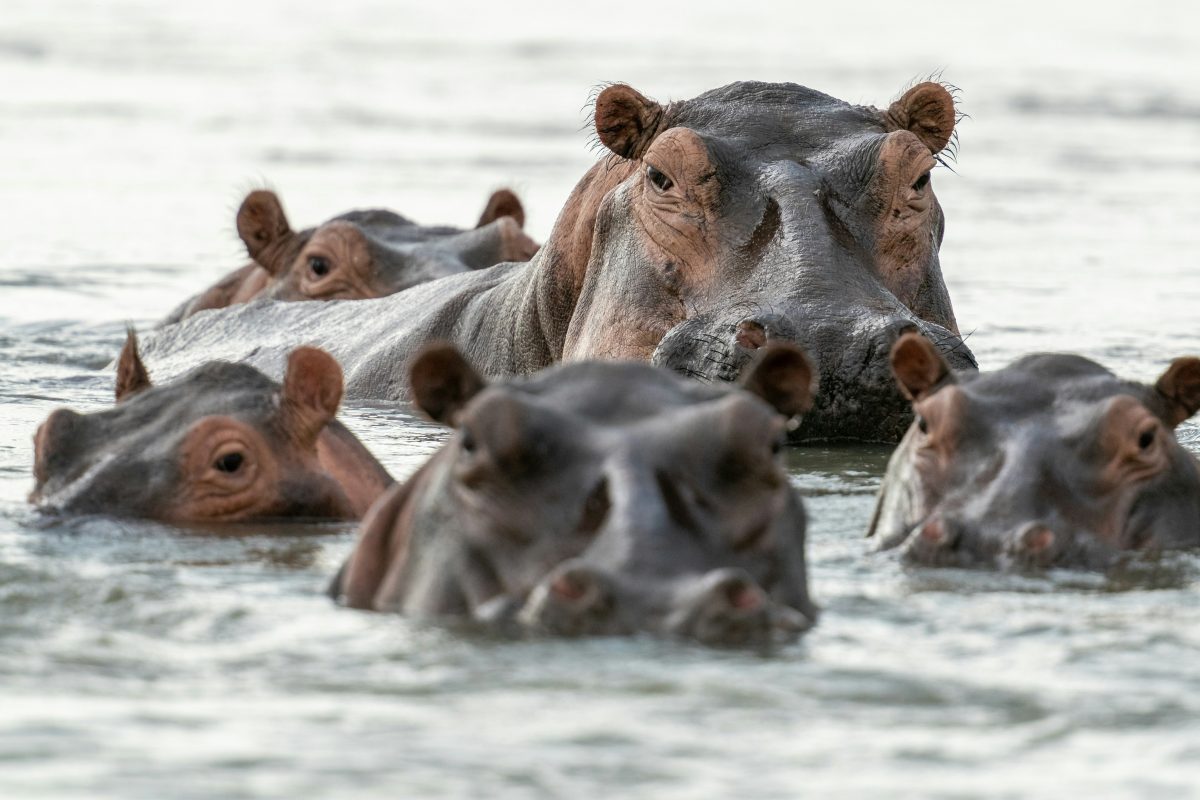 ©Bob Brewer via Unsplash
Indian billionaire Anant Ambani is proposing to transfer Pablo Escobar's 80 hippos destined for slaughter in Colombia to India, but his Vantara center is causing controversy.
For years, they have been regarded as one of the most absurd legacies of Colombia's drug trade. Today, however, Pablo Escobar's now-famous hippos may be getting a second chance. Following the Colombian government's announcement of the controlled slaughter of 80 hippos, an unexpected proposal from India could change the fate of these animals. Anant Ambani, son of tycoon Mukesh Ambani and member of one of Asia's wealthiest families, has stepped forward. The businessman offered to house the hippos in his vast animal conservation center, named Vantara, located in the Indian state of Gujarat.
From symbol of criminal luxury to environmental emergency
The presence of hippos in Colombia dates back to the 1980s, when Pablo Escobar illegally imported a few African specimens to enrich the private zoo at his Hacienda Nápoles. After the drug baron's death, the animals continued to breed freely in areas close to the Magdalena River. From an initial four specimens, the population has now grown to over 160 to 200 animals, becoming an increasingly difficult environmental problem to control. Experts have long denounced the risks to local biodiversity: the hippos modify aquatic ecosystems, threaten native species such as manatees and freshwater turtles, and represent a potential danger to riverside communities. According to Colombian government estimates, without drastic measures, the population could reach 500 individuals by 2030.
The Indian proposal to avoid the most extreme solution
Mr. Ambani's proposal comes at a time when the slaughter debate is dividing public opinion, environmentalists and animal rights groups. The transfer to India would provide an alternative to the killing of animals, considered by many to be the last resort. In a press release issued by the Vantara center, those in charge speak of a reception facility designed to guarantee the well-being and safety of the hippos, with facilities adapted to house them throughout their lives. The idea has aroused interest, as it would make it possible to avoid a predicted massacre, but the project remains complex: transporting animals that can weigh over three tonnes requires colossal logistics, international authorizations and very strict health controls.
Controversy surrounding Vantara
Despite its image as a sanctuary for rescued animals, the Vantara center has not escaped criticism. In recent years, a number of international organizations and investigations have raised doubts about the way in which animals are acquired, the controls linked to imports and the true origin of some specimens claimed to have been born in captivity. In addition, the site's proximity to a vast industrial zone and the size of the enclosures dedicated to certain species have fuelled debate among experts and associations. In other words, the Indian proposal is not perceived as a perfect solution, nor is it free of grey areas. For many observers, however, this transfer remains preferable to a mass cull.
Colombia to decide
The Colombian government has announced that it will formally examine the proposal in the coming weeks. The final decision could become an international case study, at the crossroads of ecosystem protection, animal rights and the management of invasive species. In the meantime, South America's most famous hippos remain suspended between two opposing fates: to become the symbol of an environmental failure, or the example of a complex but less cruel global solution.
(©GreenMe.it 2026/Managing editor: Selma Keshkire - The Press Junction/Picture: Bob Brewer via Unsplash)