
 ©Llanydd Lloyd via Unsplash
With the arrival of Fat Tuesday, so ends carnival. After a week of celebrations and parades in various cities and the march to Lent, the period of preparation for Easter begins. But where does the name of this holiday come from? And what is its meaning?
The origin of the name
The origins of Fat Tuesday date back to pre-Christian, pagan customs, in which communities celebrated the arrival of spring and the rebirth of nature. These festivals centered on rituals of abundance and exuberance, symbols of fertility and prosperity, in order to relate to the cycle of life in a positive way.
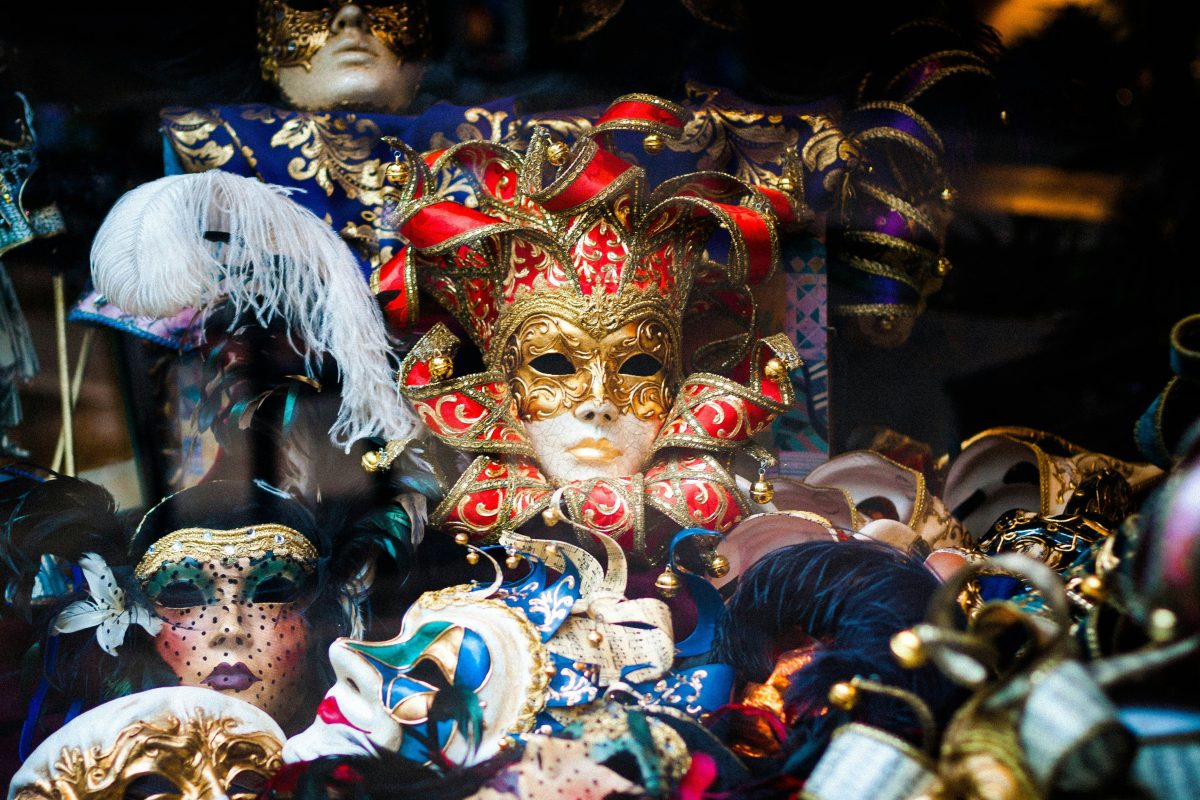
With the rise of Christianity, many of these rituals were reinterpreted in a religious tone. The feast was incorporated into the Christian calendar as the last day of revelry and abundance before the beginning of Lent, a period of penance and fasting leading up to Easter. The Tuesday before the start of Lent is so named because it used to be customary to eat a lot and treat oneself to sweet and rich food, before starting a time of fasting and abstinence prescribed by Catholic tradition. This day was known as the last moment to eat lavish food before the phase of penance began. And even today, for many it is still a day of feasting without hesitations and to end Carnival in style with masks, feasts and banquets.
(©GreenMe.it 2026/Managing Editor: Julie Morgan - The Press Junction/Picture: ©picture alliance/dpa/dpa-POOL | Peter Kneffel)