
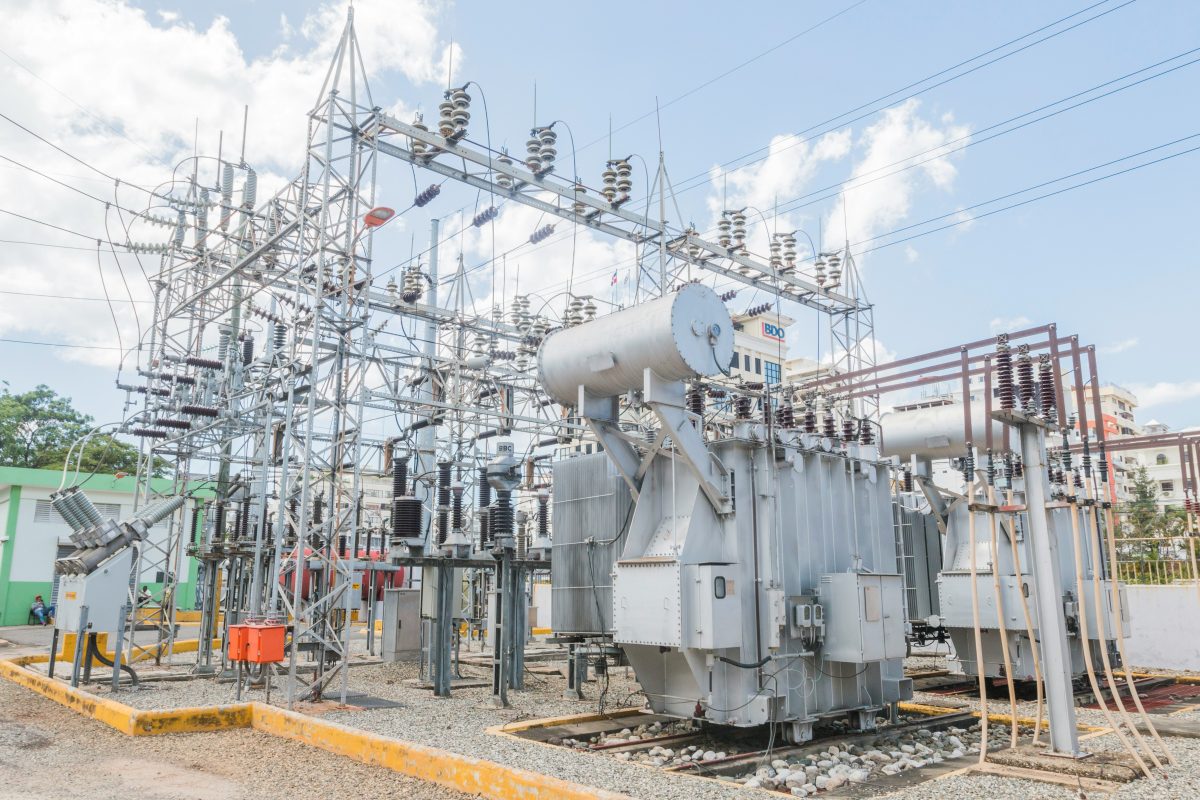
 ©Aldward Castillo via Unsplash
Nuclear fusion is no longer just a promise from the laboratory. In the United States, proceedings have begun to build a 350-megawatt power plant on a site that until a few years ago burned coal. A paradigm shift that tells much more than a simple industrial reconversion.
The project bears the signature of Type One Energy, a company dedicated to developing nuclear fusion and backed by Bill Gates, among others. On their side is the Tennessee Valley Authority, which wants to convert the former Bull Run Fossil Plant, which closed in 2023, into one of the world's first commercial fusion power plants. It's too early to speak of a revolution, but this time the documents have been filed, the names are official and the timetables are in black and white.
A nuclear fusion power plant on the former coal site
The permit application was submitted to the Tennessee Department of Environment & Conservation and is the first concrete case using the new regulatory framework for fusion. The crucial step came in 2023, when the Nuclear Regulatory Commission decided to regulate fusion plants as low-risk technologies, clearly distinguishable from traditional nuclear fission. A choice that unleashed investment and accelerated projects.
To put it clearly, without the green light from the regulator, a 350 MW power plant would not even have appeared on the agenda. Now, by contrast, nuclear fusion is taking its first steps outside the laboratory.
And it's no detail that everything starts at a former coal-fired power plant. Where climate-altering emissions used to be emitted, they now want to generate power with a technology that, at least on paper, promises virtually no direct emissions and more safety than fission.
Project Infinity: prototype in 2029 and commercial power plant as early as 2028
The industrial plan is called Project Infinity and follows a clear strategy. First there will be Infinity One, an operational prototype, flanked by a training center for specialized technicians and engineers. Commissioning is scheduled for 2029. Immediately thereafter, if the final permits are granted in time, construction of Infinity Two, the 350 MW commercial power plant, will begin, with operations possibly starting as early as 2028.
A scientific ecosystem is also emerging around the project. A facility for testing at extremely high heat fluxes is being developed in the same area, in collaboration with Oak Ridge National Laboratory. A technical detail? Certainly not. The resistance of materials to extreme temperatures is one of the central challenges to making fusion truly feasible on an industrial scale.
In recent years, research has made significant strides. The National Ignition Facility in California demonstrated a net energy gain in the lab for the first time. But turning an experimental result into a power plant that produces electricity 24 hours a day is another story. That's where the real battle will be fought.
Enthusiasm, but with feet on the ground
Those who follow nuclear fusion know that each decade has had its own 'historic announcement'. Many projects have foundered on high costs, technical complexity and longer than expected lead times.
The difference today is in the vigorous entry of private parties, the regulatory push and the repurposing of existing sites. Reusing existing infrastructure from the coal sector means saving time and costs, but also sending a strong symbolic message: the energy transition can be through transformation, not just demolition.
Nuclear fusion remains an open challenge. If Infinity Two really came on line as announced, we would be dealing with one of the world's first plants designed for commercial use from the outset.
(©Type One Energy via GreenMe.it 2026/Managing Editor: Selma Keshkire - The Press Junction/Picture: ©picture alliance/dpa/dpa-POOL | Peter Kneffel)