
World
Politics
Environment
Tons of fruit are rotting in Israel's fields: nobody wants it anymore (and it has to do with the boycott for Gaza)
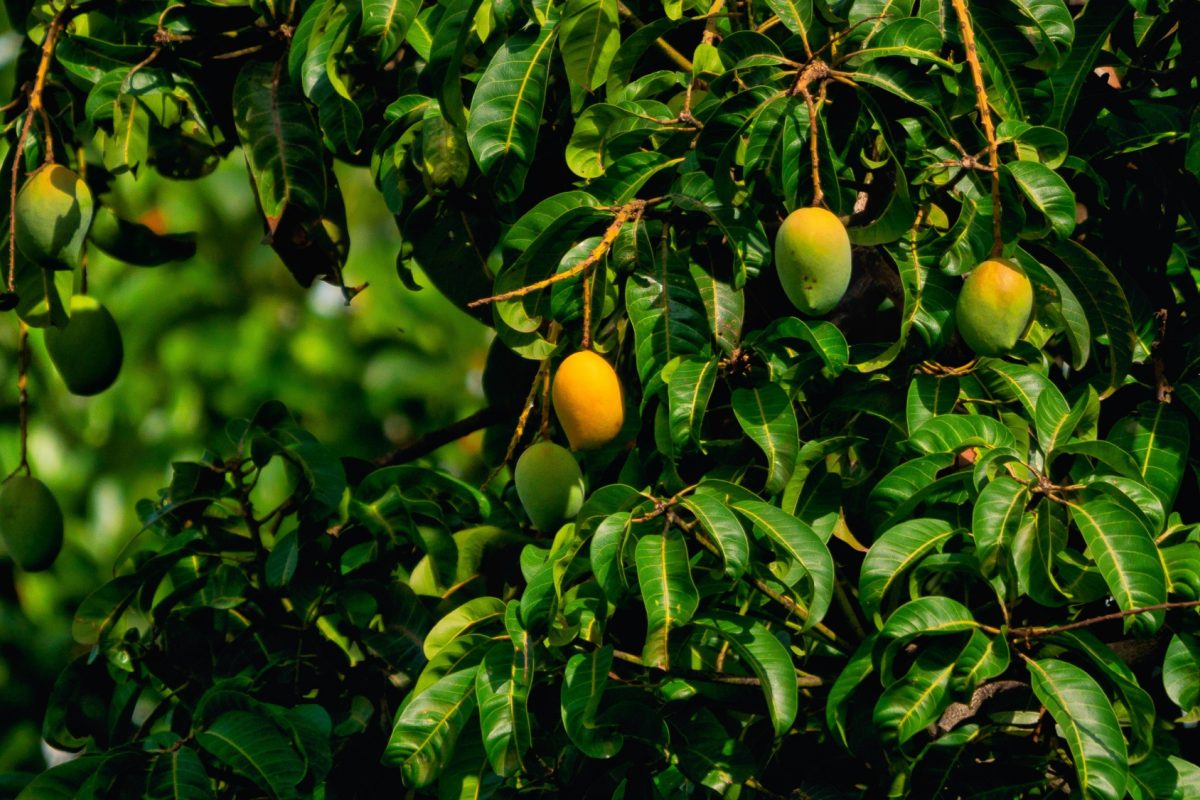 ©Rajendra Biswal via Unsplash
The crisis affecting Israeli agricultural exports is unprecedented. According to testimonies gathered by Israeli public broadcaster Kan 11, citrus and mango growers are facing devastating losses, with orders from Europe and Asia all but eliminated.
"We have been running losses since the beginning of the war," explains Nitzan Weisberg, who manages plantations at kibbutz Givat Haim Ichud. His orchards are now in danger of being permanently uprooted, despite the high quality of the product, because Israeli fruit has become something people prefer to avoid on international markets.
Daniel Klusky, secretary general of the Organization of Israeli Citrus Growers, confirms the total standstill: "Before the conflict, we even exported to Scandinavia. Now not one container has left."
The telling case of the mango
In the north of the country, the situation is particularly critical. Moti Almoz, a farmer in the region, had 25% of his crop rotting on the ground: "They don't want our mangoes. In Europe, they only contact us when there is a shortage somewhere... As soon as they have an alternative, they avoid buying from us."
Robert Amrosi, an experienced grower from Moshav Migdal, had more than 100 tons of fruit hanging on the trees: "Harvesting it would cost more than I can make from selling it." Out of 200 acres of family orchards, he barely brought in 100 tons, losing nearly a million shekels. Another producer speaks of 700 of the 1,200 tons of fruit produced remaining on the trees or will rot on the ground: "This is a crisis with no parallel in our history."
How did it come to this?
The boycott in favor of Gaza and other causes of the crisis
The international boycott of Israeli agricultural products in connection with what is happening in Gaza is undoubtedly the main factor that has drastically plunged demand on world markets. Internationally, Israeli fruit no longer goes unnoticed: more and more consumers decide not to buy it as a moral gesture and as a sign of solidarity with a population that is a victim of genocide. This concrete and organized boycott has highlighted how much impact citizen pressure can have on the economic dynamics of an entire sector.
But on top of that come other problems. The blockade of the Red Sea by the Yemeni Houthis has forced shipping companies to sail longer and more expensive routes, increasing transportation times and making access to Asian markets more difficult. Ronen Alfasi, grower from Hibat Zion, complains of delays of 90 to 100 days before containers arrive, resulting in serious quality problems and fruit that is ripe or rotten before it reaches customers.
Adding to these logistical difficulties is the climate crisis: periods of extreme heat, with temperatures reaching nearly 50°C, have accelerated the ripening of fruit, causing it to fall from the trees prematurely and entire harvests to be lost. In short, the combination of boycotts, transportation problems and climate change has created a domino effect and turned an agri-food chain that was once solid and enjoyed worldwide recognition into a sector teetering on the brink of collapse.
An economy on its knees
Israel's agricultural crisis is part of a broader economic picture: government data show a 26% drop in economic activity in the last quarter of 2023. Sectors such as technology and investment are also struggling, as foreign investors are increasingly reluctant to cooperate with a state at the center of international controversy.
The only remaining export market appears to be Russia, in what local media have ironically described as 'the alliance of boycotts'.
Farmers are well aware of the gravity of the situation and are urgently calling for government intervention. The fear is that soon, Israel will have no agricultural exports at all: a sector that took decades to build up may collapse in a few months, but will take years to rebuild.
(©Middle East Monitor /Ynetnews via GreenMe.it 2026/Managing Editor: Selma Keshkire - The Press Junction/Picture: ©Rajendra Biswal via Unsplash)