
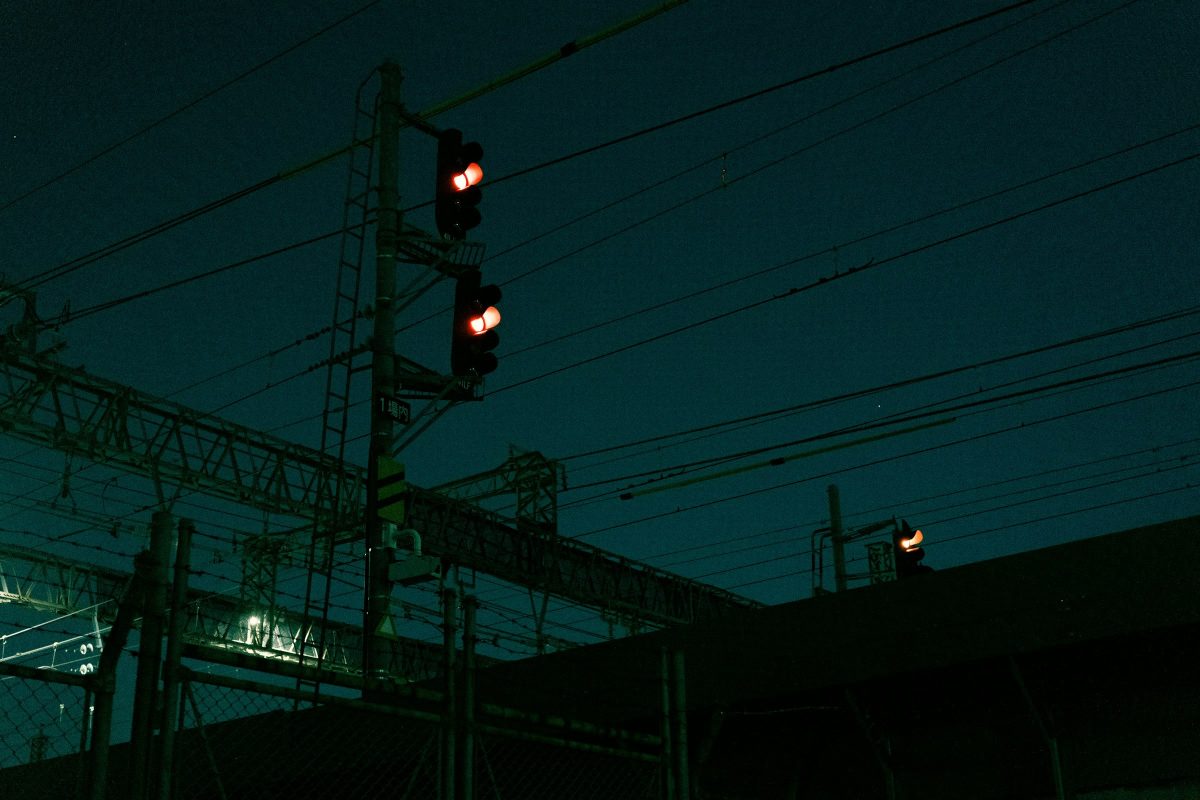
 ©Unsplash
It's shortly after midday on April 28, 2025, when the Iberian Peninsula plunges into darkness. In a matter of moments, the power grid in Spain and Portugal collapsed, taking with it the Internet, telecommunications, transport and the daily lives of millions of people.
Some areas remained without power for over sixteen hours. Part of southern France, on the border with Spain, was also affected. It was the worst blackout to hit Europe in twenty years.
Almost a year later, Entso-e, the European network of electricity transmission system operators, has published its final conclusions. The question of what caused the collapse has been officially answered, but not as expected: there is no single culprit or isolated triggering event. On the contrary, it was a combination of factors that set the catastrophe in motion, interwoven at the worst possible moment.
According to the report, a sudden and uncontrolled rise in voltage on the Spanish grid generated an instability that then cascaded through the entire system. The voltage control systems of some local producers were not aligned with those required by the national operator. In several cases, manual rather than automatic management slowed the system's response to ongoing variations.
Added to this is a structural characteristic: the Spanish network operates over a wider voltage range than many neighboring European countries, making it less resilient to sudden peaks. When voltage rises, the resources available to cushion the impact are insufficient.
The blackout originated in Spain and quickly spread to Portugal, due to the strong interconnection between the two networks. Entso-e points out that the aim of the analysis is not to assign legal or political responsibility, but to understand what happened in order to prevent it from happening again. Among the main recommendations is the need for greater coordination between all players in the energy system, from transmission to distribution.
On the political front, the controversy continues unabated. The Spanish government's initial lack of explanation fuelled accusations of incompetence and opened a wider debate on the country's energy model. With around 60% of its electricity generated from renewable sources, Spain is one of the leaders in the green transition, however, the opposition is questioning the abandonment of nuclear power and raising doubts about the solidity of a grid based on intermittent sources such as sun and wind.
Meanwhile, the tug-of-war between the grid operator, Red Eléctrica, and private energy companies over who should take responsibility has been going on for months. The Entso-e report does not settle the issue, but leaves the central question open: a modern, complex energy system that is increasingly dependent on variable sources requires a level of coordination and control that, on April 28, was clearly lacking.
(©GreenMe.it 2026 / Managing Editor: Julie Morgan- The Press Junction / Picture: ©Unsplash)