
World
Economy
Hormuz strait can block the world: why its closure in the wake of the strikes in Iran is weighing on our budget
 ©picture alliance/dpa | -
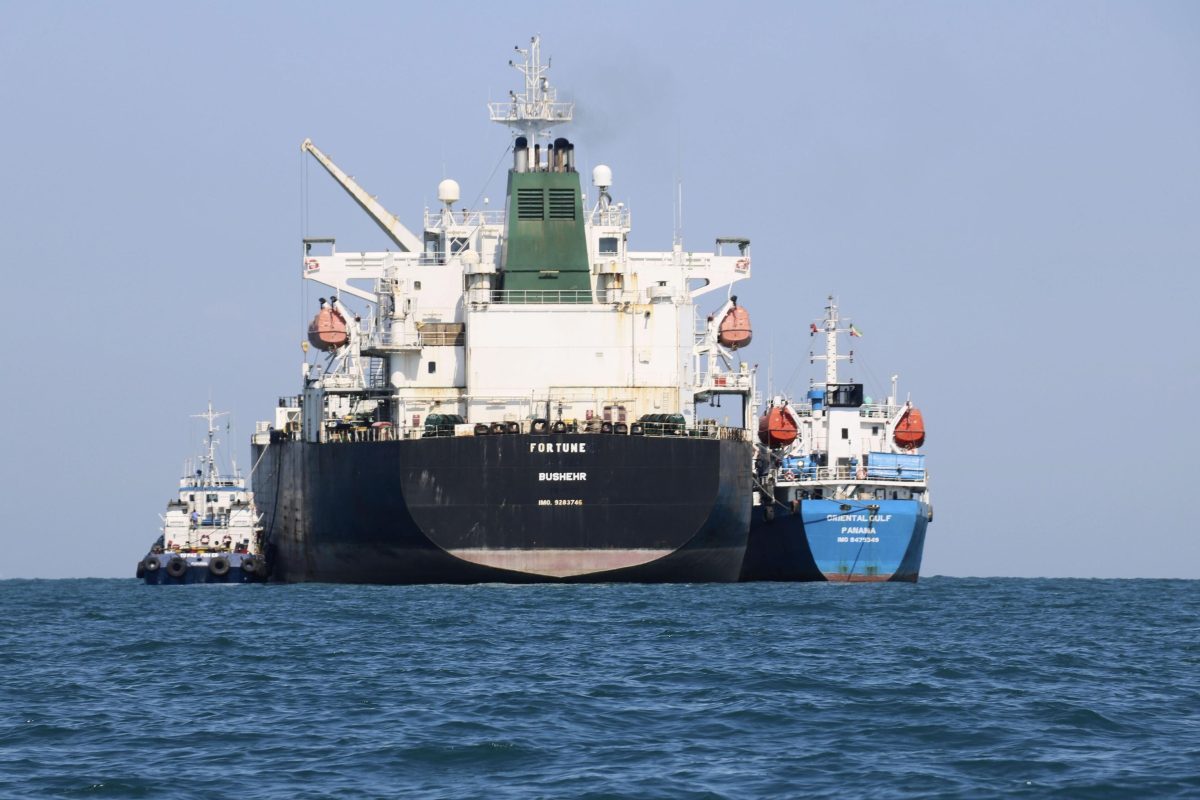
Thirty-three kilometers of sea. That's all that stands between the stability of world markets and a new energy storm. The Strait of Hormuz, the maritime corridor between the Persian Gulf and the Indian Ocean, was officially closed by Iran following military attacks by the USA and Israel. The effects of this blockade are already visible: shipping routes cancelled, oil tankers immobilized and insurance suspended.
The reaction was immediate: trade frozen and shipping companies forced to divert their vessels to ports deemed safe. In the space of a few hours, one of the world's most strategic crossroads was transformed into a bottleneck capable of putting the entire global economic system to the test.
The corridor through which the world's energy flows
Every day, around a quarter of the world's oil and a fifth of its liquefied natural gas pass through Hormuz. In other words: millions of barrels and huge quantities of gas that supply industry, power stations, transport and domestic heating. It is an essential export route for the main Gulf producers - Saudi Arabia, Iraq, the Emirates and Qatar - as well as for Iran itself.
Blocking it would mean drastically reducing the world's energy supply. And when supply falls, prices rise. A simple mechanism, but with devastating effects: the markets took it on board immediately, propelling oil and gas prices to record highs in the very first hours following the announcement.
From the markets to our wallets
The consequences don't stop at the trading floor. Rising energy commodity prices quickly have an impact on fuel prices and, by extension, on household bills. But the real risk is a much wider domino effect.
Around a third of the world's fertilizers pass through Hormuz. Should the blockade continue, the drop in deliveries would push up agricultural costs, with direct repercussions on food prices. Bread, pasta, vegetables, meat: the effect could be felt in household baskets within a few weeks, fueling a new inflationary surge.
Those most at risk
Asian countries, led by China, are the most exposed: they receive most of the energy transiting through the Strait. But Europe is also highly dependent on liquefied gas from the Gulf, especially after the cut-off of Russian supplies.
Nor can Iran afford a prolonged shutdown. Hormuz is just as vital for its own exports: blocking the strait is tantamount to hitting its own revenues directly. It's a geopolitical lever of pressure with a very high cost, which shows just how much this passage is both a strategic weapon and a point of extreme vulnerability.
Alternative routes exist, mainly via pipelines, but they can only absorb a fraction of the volumes required. The global system therefore remains dependent on a handful of critical passages.
Structural fragility
The Hormuz crisis highlights a deep-seated weakness: the global economy is still disproportionately dependent on fossil fuels concentrated in politically unstable areas. All it takes is a few dozen kilometers of sea to trigger global turbulence.
The repercussions go far beyond geopolitics, affecting economies, societies and the environment. Reducing dependence on oil and gas not only reduces emissions, it also - and above all - makes the energy system safer, more stable and more resilient.
As long as the world continues to live at the pace of oil tankers, maritime locks - not climate choices - will dictate energy and food prices. Once again, Hormuz is striking proof of this.
(©GreenMe.it 2026/Managing editor: Selma Keshkire - The Press Junction/Picture: picture alliance/dpa | -)