
Society
Environment
Science
Weird & strange
MIT presents 3D printer that turns food waste into household utensils
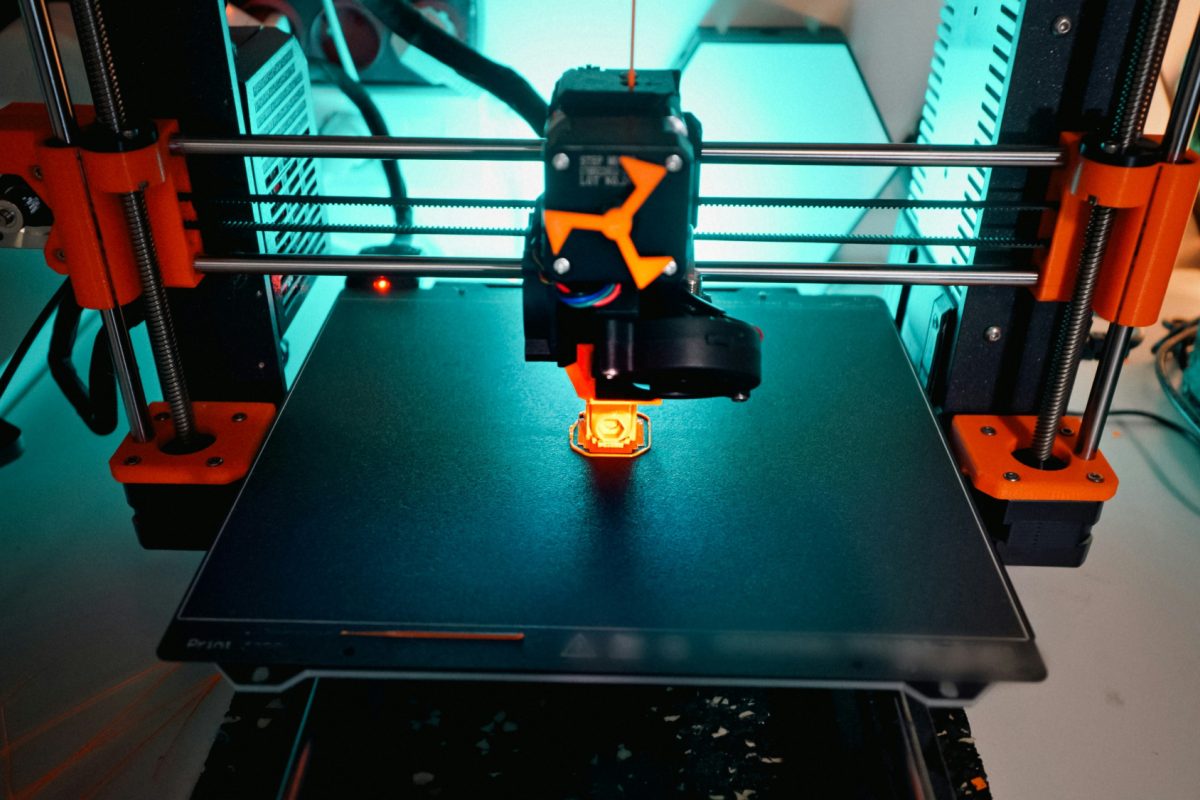 ©Jakub Żerdzicki via Unsplash
Every year, nearly a billion tons of food ends up in the trash. An amount that weighs heavily on the environment as well as on everyone's wallet. In France, for example, 8.8 million tons of food waste accumulated in 2021, about 129kg per person, according to the French Ministry of Ecological Transition. While we keep throwing away peelings, coffee grounds and egg shells, two MIT engineers have decided to breathe new life into food scraps in a totally new form: everyday utensils made with a 3D printer.
Called FOODres.AI Printer, it's a 3D printer that can turn food waste into household utensils such as cups, bowls and coasters. This is done thanks to an artificial intelligence-based system that recognizes the waste and turns it into a bioplastic paste ready for printing. The inventors, Biru Cao and Yiqing Wang, explain that the goal is not only to reduce organic waste, but to transform it into a useful resource.
How it works
The machine works like this: you put inedible food waste in the machine, such as banana peels, coffee grounds or egg shells. Intelligent software analyzes this and calculates the perfect recipe to turn it into a printable bioplastic paste. Then comes the most fascinating part: a heated extrusion system that shapes the material layer by layer, building up the chosen object.
The whole process is fully automated, so even those who have never touched a 3D printer before can handle it. In the machine's accompanying app, you can choose predefined models or upload your own design. The artificial intelligence also recognizes the available materials and suggests what type of object you can make based on the properties of the mixture.
A sustainable, creative and award-winning idea
According to the MIT researchers, this technology is intended to give people themselves a leading role in the fight for a better environment, starting in their own kitchens.
It's not only about reducing waste, but also about making food recycling a creative, accessible and concrete act.
The printer can be used in the home, school or community centers, reducing the use of petroleum-based plastics and the methane emissions released when organic waste decomposes.
Moreover, the low cost and easy use are breaking ground for a new form of circular economy in and around the home, where nothing really goes to waste.
Not coincidentally, the FOODres.AI Printer has already won two international awards: the iFDesign Award 2025 and the Platinum A' Design Award 2025. A success that confirms how technology, sustainability and design can work together to give a second life to what we usually think of as 'waste'.
(© Birucao via GreenMe.it 2026/Managing Editor: Selma Keshkire - The Press Junction/Picture: ©Birucao via Unsplash)