
 © Edgar Soto via Unsplash
Mexico City is among the fastest sinking cities in the world. The soil is sinking an average of 24 to 25 centimeters a year, with major consequences for the infrastructure and water supply of the metropolis where more than 20 million people live.
The main cause is excessive groundwater extraction. The city sits atop a large water reservoir from which water has been pumped on a large scale for decades, slowly collapsing the soft clay soil. The weight of the city itself exacerbates the problem. Soil subsidence was first detected as early as 1925 and has only gotten worse since then.
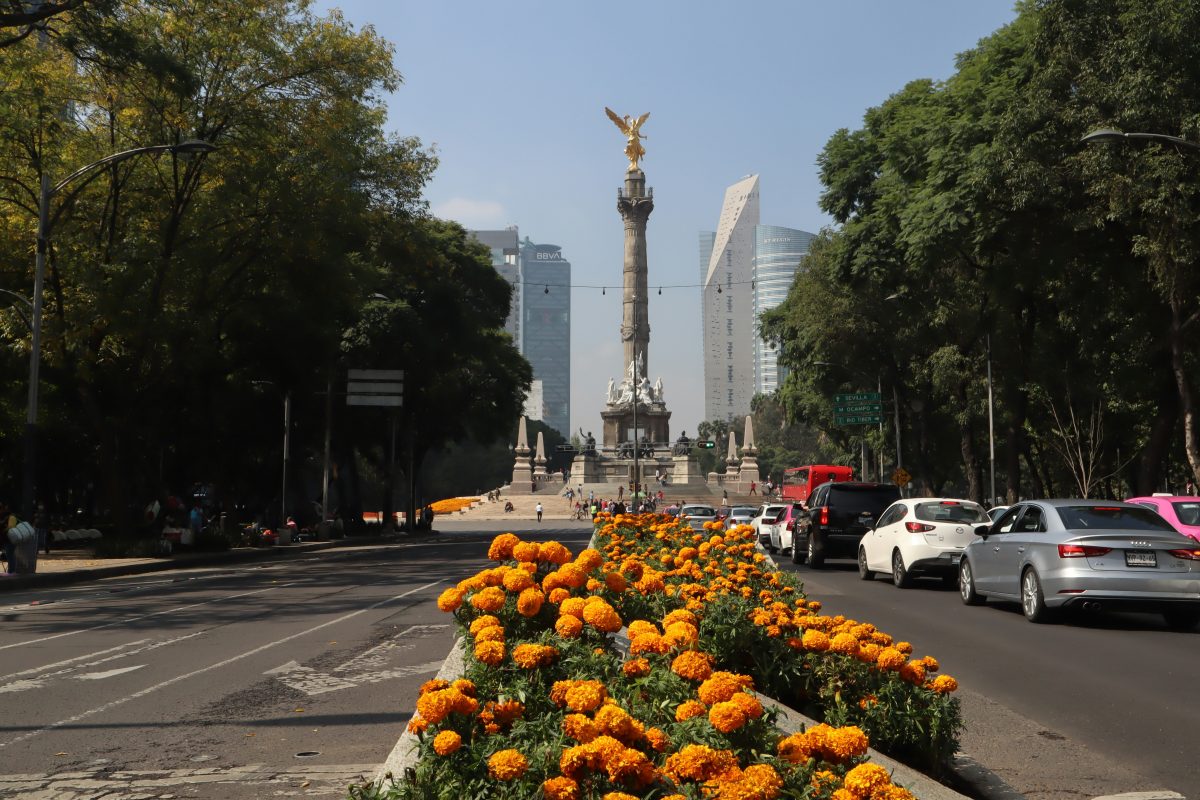
Not every neighborhood of Mexico City suffers from subsidence: it is most noticeable around the international airport and the Angel of Independence Monument. The latter monument has had to be fitted with additional steps several times because the surrounding ground kept subsiding. Roads, buildings, pipes and the subway network are also suffering increasing damage.
Experts warn that the problem is hardly reversible: compressed clay layers do not recover. Moreover, subsidence intensifies the water crisis, as groundwater levels continue to fall and drinking water supplies become increasingly difficult.
New technology offers some hope. The NISAR satellite, a collaboration between NASA and India, can track soil movement in near real-time. Scientists hope this data will help governments take more targeted action through better water management and appropriate urban planning.
"Mexico City is known as a hotspot in terms of subsidence, and images like this are just the beginning for NISAR," David Bekaert, project manager at the Flemish Institute for Technological Research and a member of NISAR's scientific team, told CNN. "We're going to see a flood of new discoveries from around the world."
Picture: © Edgar Soto via Unsplash