
World
Politics
Economy
EU's plan against the (war-induced) energy crisis: compulsory teleworking and low-cost public transport
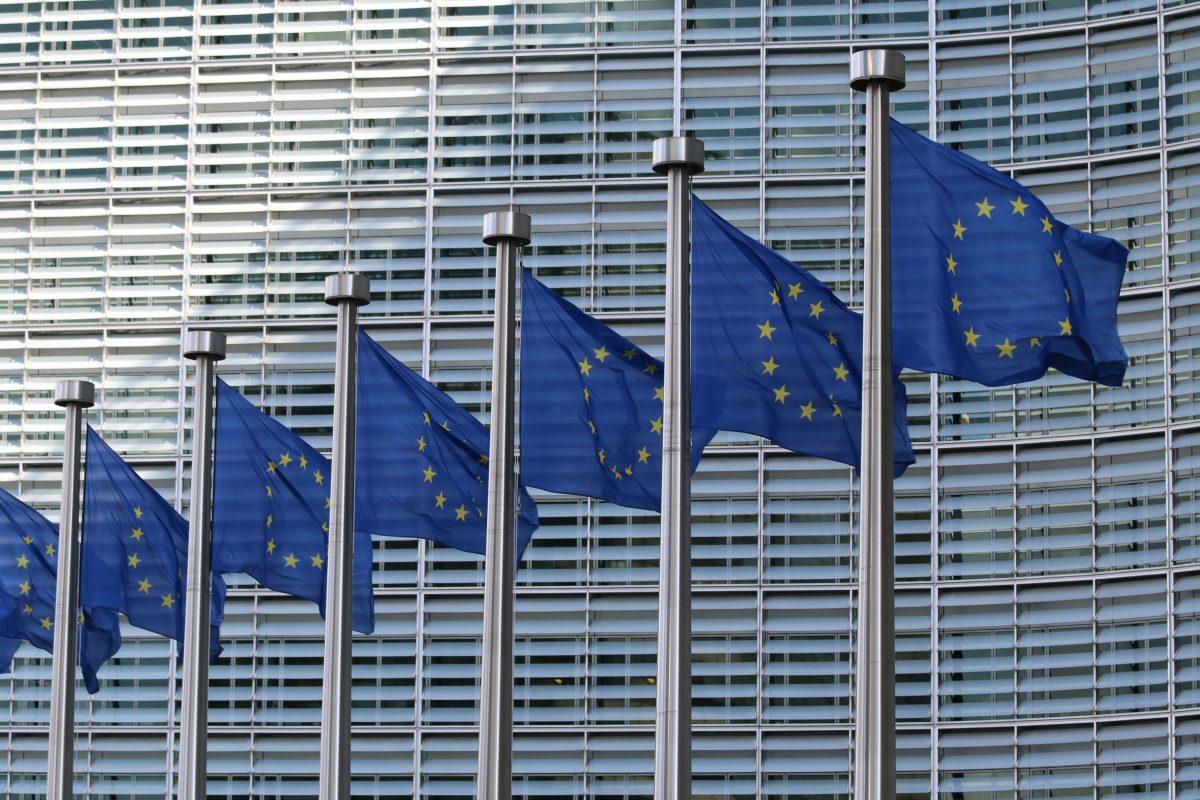 ©Guillaume Périgois via Unsplash
Brussels is preparing the "Accelerate EU" plan to reduce consumption in the face of the energy crisis: compulsory teleworking, discounted public transport and aid for families.
The European Commission is working on a new series of measures called "Accelerate EU", designed to limit the impact of the energy crisis exacerbated by geopolitical tensions in the Middle East. The project, which will be officially presented on April 22, aims to reduce overall energy consumption throughout the Union, mainly by acting on transport, domestic heating and work organization. The stated aim is twofold: to reduce energy demand in the short term, and to encourage more sustainable consumption patterns in the long term.
Mandatory teleworking and reduction of city traffic
Among the most hotly debated measures is the introduction of at least one day of compulsory teleworking per week for the public and private sectors. This is intended to reduce commuting and, consequently, fuel consumption as well as energy use in urban transport. Brussels is also calling on Member States to increase the use of teleworking as a structural tool for crisis management. The logic is clear: fewer people on the move means less traffic, lower emissions and less pressure on energy networks.
Cheaper public transport and collective mobility
Another pillar of the plan concerns sustainable mobility. The Commission is proposing to make public transport more affordable, with reduced-price tickets and season tickets to encourage the use of collective means of transport rather than a private car. The idea is to reduce fossil fuel consumption and lighten the energy burden associated with individual mobility. At the same time, it is recommended to avoid unnecessary travel and to spread energy consumption outside peak hours.
Households, businesses and public authorities all involved
The plan is not limited to citizens. Public administrations will have to set an example by reducing non-essential lighting and improving the energy efficiency of public buildings. Businesses and industry, meanwhile, are called upon to invest in more energy-efficient technologies and processes, with a particular focus on buildings and production systems. For the most vulnerable families, an energy voucher scheme is planned in order to mitigate the impact of rising prices and ensure access to essential energy needs.
A strategy linked to the geopolitical crisis
These measures are being implemented against a backdrop of international instability and soaring oil and gas prices. Tensions in the Middle East have made the question of Europe's energy dependence even more urgent, prompting Brussels to seek rapid solutions. However, the first signs of political resistance were not long in coming: some member states, such as Spain, have already expressed doubts about the compulsory nature of teleworking, defending instead an approach based on voluntary work.
Towards a new energy consumption model
The "Accelerate EU" plan is part of a wider strategy to transform Europe's energy system. The basic idea is to change people's daily habits to reduce the pressure on energy infrastructures. If adopted, this package of measures could mark an important step towards a more centralized and coordinated management of energy consumption in Europe, where work, mobility and domestic life become direct levers of energy policy.
Source : Ansa.it
(©GreenMe.it 2026/Managing editor: Selma Keshkire - The Press Junction/Picture: Guillaume Périgois via Unsplash)