
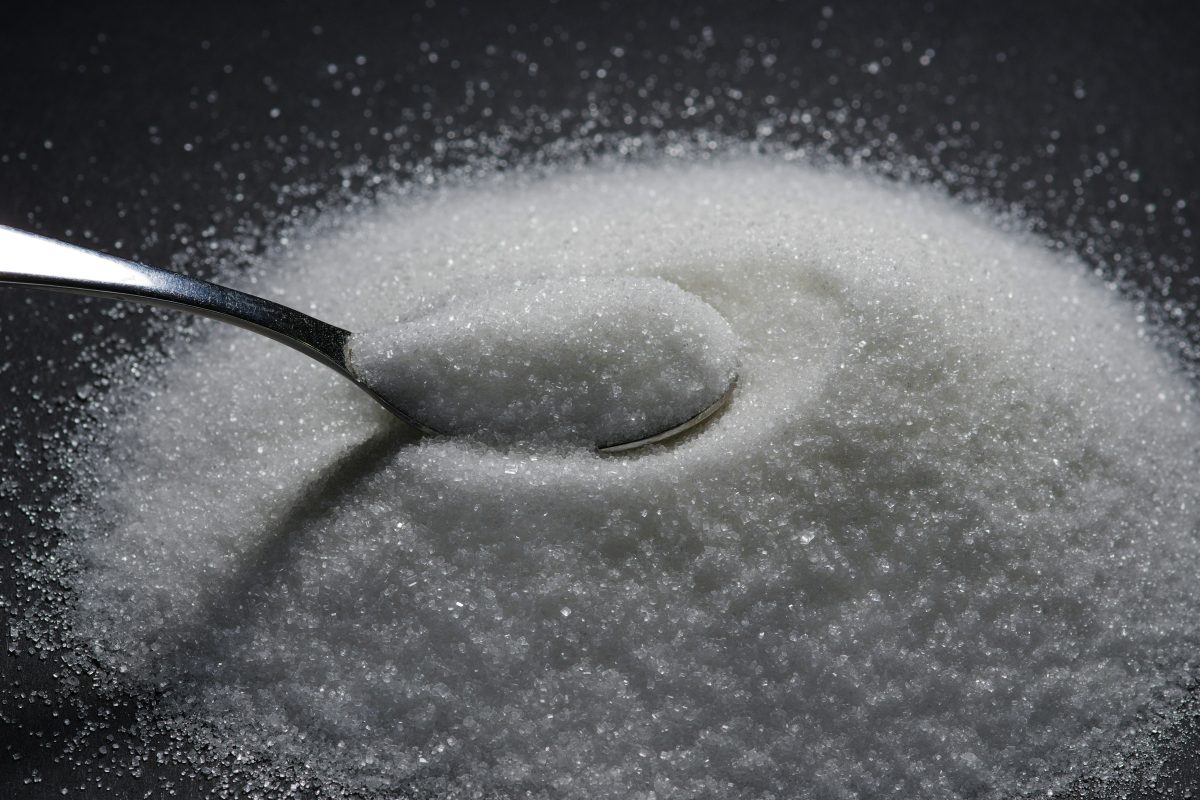
 ©Immo Wegmann via Unsplash
Germany is about to crack down on excess sugar in food products. The Minister President of Schleswig-Holstein, Daniel Günther, has submitted a proposal to the Bundesrat - Germany's upper house - to introduce a tax on sugary drinks and ban the sale of energy drinks to under 16s. This is not the first time the subject has been put on the table, but this time political support seems to have broadened.
The reason is simple: the social costs of excessive sugar consumption are colossal. A Greenpeace study estimated that sugar-related illnesses cost Germany almost €12 billion a year. Another study, carried out by the Technical University of Munich, calculated that a tax based on the British model could prevent up to 244,000 cases of type 2 diabetes over twenty years, with a potential saving of 16 billion euros.
The proposal is not limited to a sugar tax, but also aims to ban the sale of energy drinks to minors under the age of 16. Why? These 'energy drinks' contain high levels of caffeine, taurine and sugar, a combination that can have serious effects on a growing body.
"These are not harmless, trendy drinks," said Daniel Günther, "they can become a real problem, especially for young people."
However, there is no shortage of critical voices. The German sugar industry claims that the tax gives the false impression that a single ingredient is responsible for obesity. It also argues that it could encourage producers to replace sugar with artificial sweeteners without improving public health.
The British model proves its worth
Those who think the sugar tax is just another tax would do well to look at what has happened in the UK. The British experiment has been a success: soft drink consumption has fallen by a third, and the sugar content of many drinks has been reduced by the manufacturers themselves, who have reformulated their products to avoid paying the tax. Official data from the Office for Health Improvement and Disparities show that between 2015 and 2024, the proportion of products containing 5g of sugar or less per 100ml rose from 67% to 91%, a clear sign that companies have adapted.
A study published in PLOS Medicine found that the UK tax is associated with an 8% reduction in obesity among 10- and 11-year-old girls, or around 5,200 fewer cases each year. Researchers also observed a reduction in hospitalizations for dental extractions among children, and benefits linked to lower overall sugar consumption.
And that's not all: the British government recently decided to index the tax to inflation, and to launch a review to assess whether it should be extended to other beverage categories, a sign that the measure is seen as a success to be consolidated, rather than an experiment to be shelved.
Europe on the move
Germany is not starting from scratch. In Europe, at least ten countries have already introduced some form of taxation on sugary drinks, with different approaches: volumetric taxes (a fixed amount per liter, regardless of sugar content) or graduated taxes based on the amount of sugar present. Among the countries that have adopted them are France, Portugal, Ireland, Belgium, Hungary, Latvia, Lithuania and Norway.
The European Union, on the other hand, has no common policy in this area: the European Commission recently backtracked on the possible introduction of EU-wide taxes on ultra-processed foods, leaving it up to individual national governments to act. A missed opportunity, according to many public health experts.
If Germany succeeds, it could act as a trailblazer and provide a firmer impetus at European level.
Source : Reuters
(©GreenMe.it 2026/Managing editor : Julie Morgan - The Press Junction/Picture : Immo Wegmann via Unsplash)