
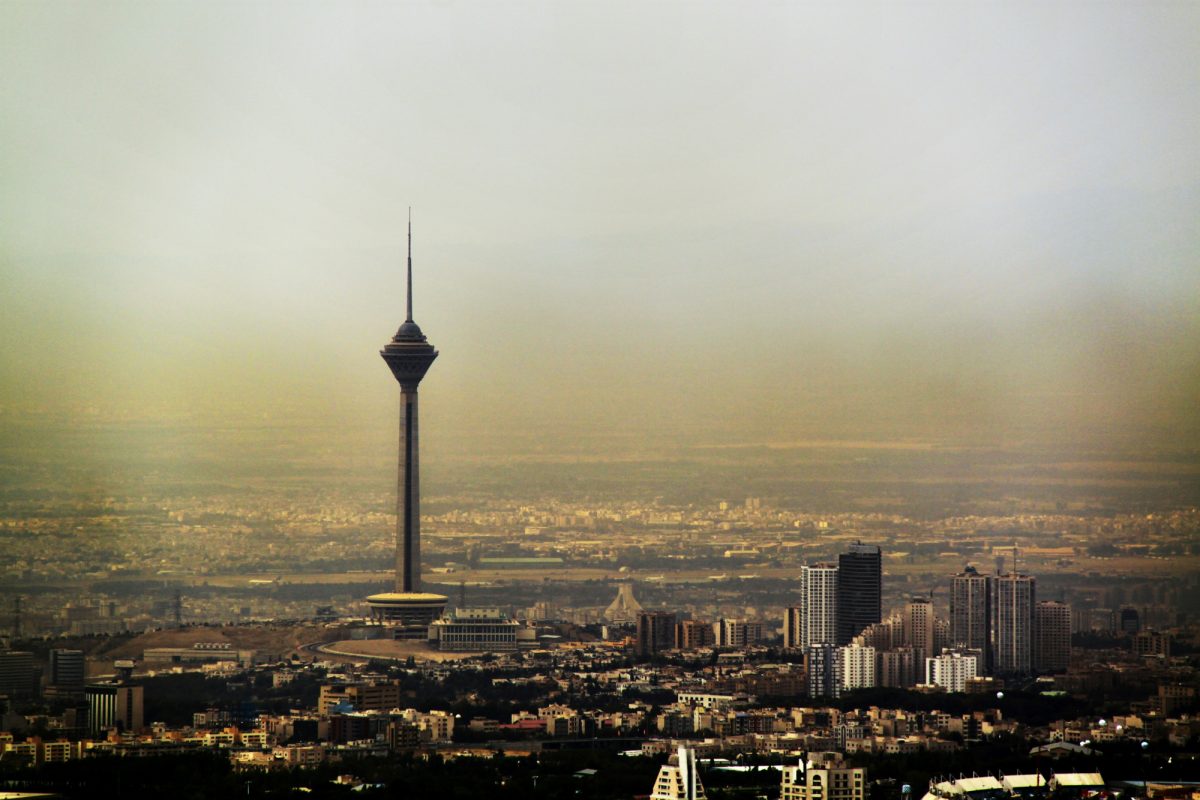
 ©Unsplash
As Iran faces a new wave of domestic protest, Russia is positioning itself as a discreet but essential pillar of the regime's survival. Without sending troops or engaging openly in the conflict, Moscow is strengthening Tehran's repressive regime with a mix of weaponry, technology and authoritarian know-how.
According to an analysis by researcher Nicole Grajewski published on the Foreign Policy website, the Kremlin is applying a proven strategy: supporting its authoritarian allies not by force, but by consolidating its partners' internal control tools. For several years now, Iran has benefited from a steady flow of Russian equipment - AK-103 assault rifles, armoured vehicles for maintaining law and order, and transport or support helicopters. This equipment, which originated in the Soviet arsenal, has been progressively modified for urban repression operations rather than conventional warfare.
This partnership extends to the digital domain. Moscow also supplies interception systems, surveillance software and censorship technologies enabling the Iranian authorities to control online communications and isolate demonstrators. The Comprehensive Strategic Partnership Treaty signed in 2025 between the two countries formalizes this cooperation, advocating "information security" and the defense of digital sovereignty. This diplomatic language masks the implementation of socio-political control tools.
Behind this alliance lies the same obsession: the fear of popular uprising. In both Russia and Iran, the elites have learned the lessons of the past and of past revolts (the Iranian Green Movement in 2009, the Russian protests in 2011-2012). Each regime fears a protest contagion capable of undermining the powers that be. This convergence has turned Moscow into a true laboratory for modern repression.
In March 2023, an Iranian delegation spent a week at a number of Russian arms companies, studying so-called 'non-lethal' technologies - stun grenades, for example, impulse weapons and riot control systems - designed to neutralize crowds while avoiding heavy casualties. This visit symbolizes the nature of Russian support: discreet, pragmatic and deeply political.
Far from the battlefields of Ukraine and Syria, Russian influence is now being felt in the streets of Teheran, in the service of a common goal: the survival of authoritarian regimes in the face of dissent.
(SK ©redaction/The Press Junction/Picture: Behrouz Jafarnezhad via Unsplash)