
Society
Weird & strange
Fat Thursday: discover the true meaning of the day that marks the beginning of Carnival
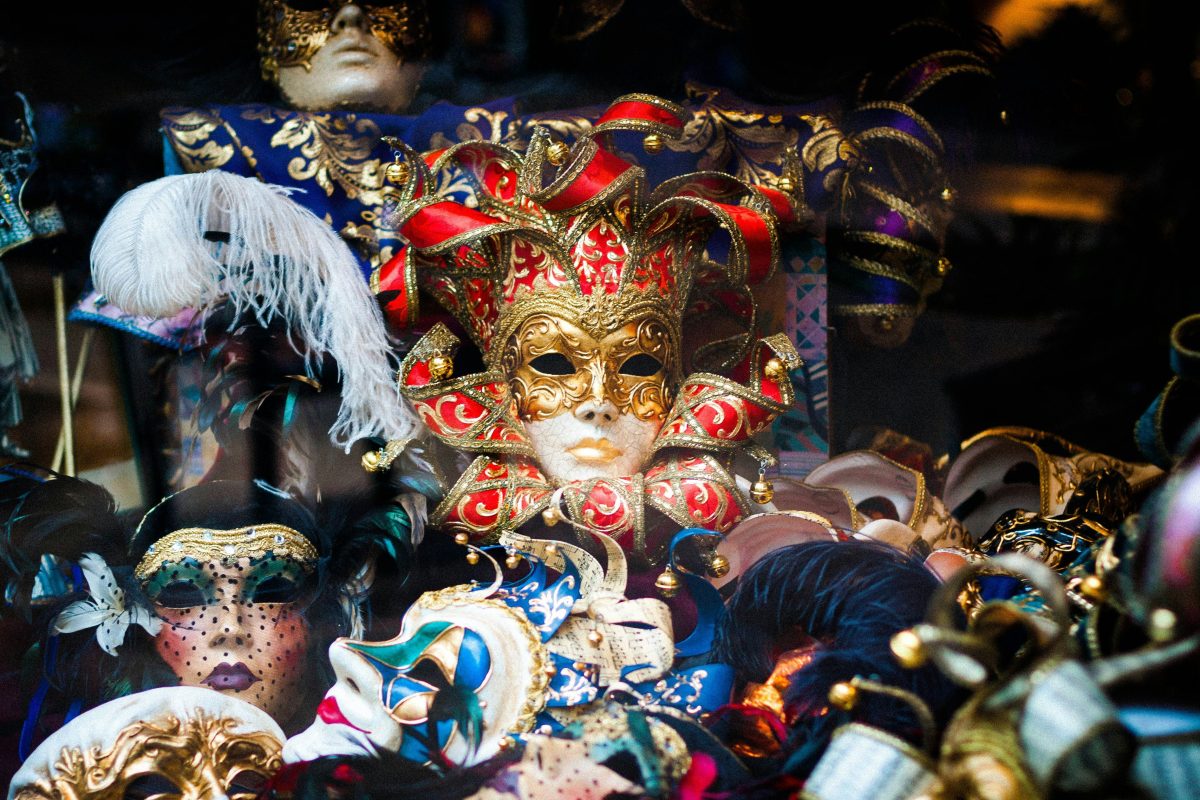 ©Llanydd Lloyd via Unsplash
This Thursday, February 12, people all over Italy were celebrating Fat Thursday, the day that officially marks the start of carnival festivities. It's a deeply rooted tradition, especially in cities such as Venice. But why is it called this? What are the customs and culinary preparations associated with this day?
Fat Thursday is the first feast day of the Roman Carnival, a day of abundance before fasting. It is, in fact, the last Thursday before the start of Lent, the 40 days preceding Easter during which - according to Christian tradition - one must observe penance and fasting, abstaining particularly from meat and fish.
The name comes from the ancient custom of holding sumptuous banquets - with rich meats and sweets - and indulging in a few sweets in the days leading up to Lent. Carnival festivities come to a close on Fat Tuesday, which this year falls on February 17.
Curiosities and traditional dishes
Fat Thursday does not officially mark the start of Carnival everywhere in Italy. In Milan, for example, we follow the Ambrosian calendar, not the Roman one. There, Lent doesn't begin until the first Sunday after Ash Wednesday. This means that Fat Thursday is celebrated on March 19.
What are the must-haves on Italian tables on Fat Thursday? Among the desserts, the traditional chiacchiere (also called frappe or crostoni, depending on the region), castagnole, migliaccio (the semolina and ricotta cake that's so popular in Naples) and Neapolitan sanguinaccio (a traditional chocolate and pig's blood pudding) stand out. In Florence, on the other hand, people eat berlingozzo, a typical crown-shaped cake flavored with orange.
(©GreenMe.it 2026/Managing editor: Julie Morgan - The Press Junction/Picture: Llanydd Lloyd via Unsplash)