
Economy
Environment
Topical
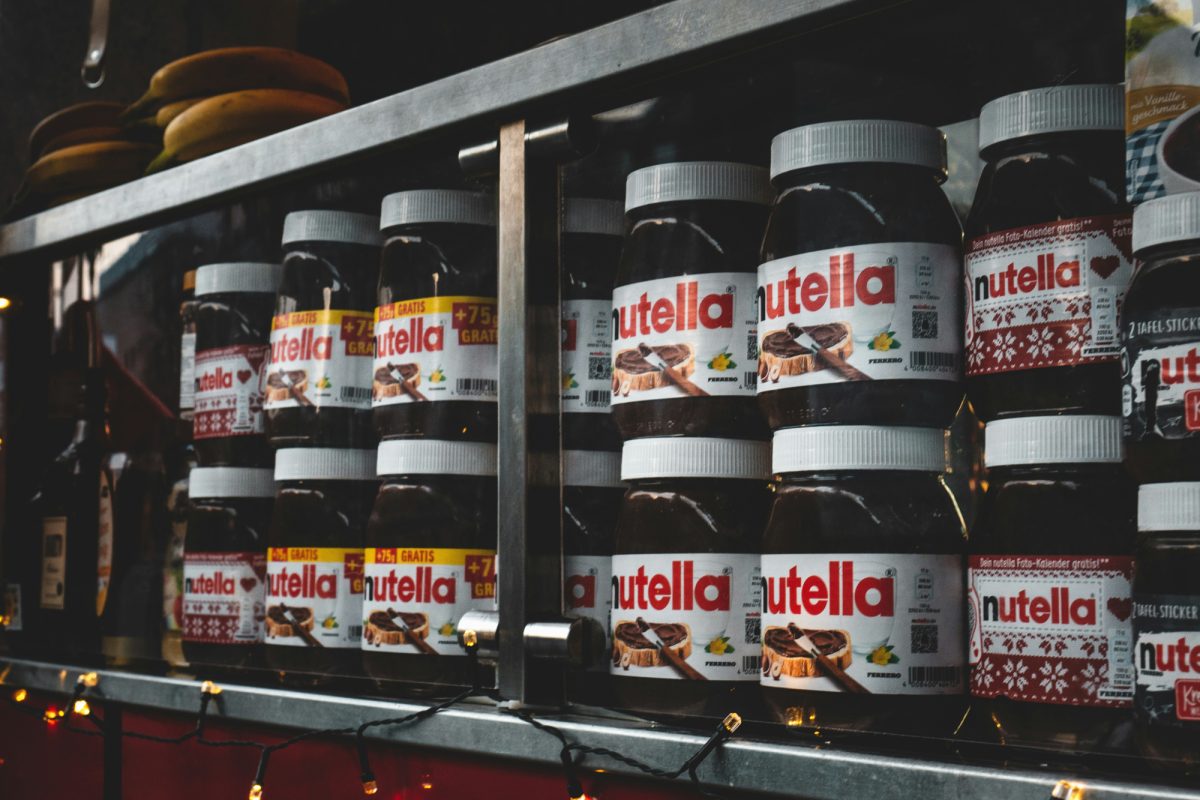
Nutella's true story: do you know how and why the world's most famous spreadable cream came to be?
 ©Jonathan Kemper via Unsplash
Although there are probably even tastier hazelnut spreads out there, Nutella has retained the enduring trust of its consumers for many years. As beloved by sweet tooths as it is criticized by nutritionists and health-conscious consumers, we now know all about Nutella's ingredients and nutritional values (all you have to do is read the label). This product is under fire mainly because of its very high amount of sugar, but also because palm oil is still used for its production.
Another 'hot' issue with regards to its production is the sourcing of hazelnuts, which have recently become increasingly sought after, even in Italy itself (causing problems and protests for Ferrero). Today we are not going to talk about that, but about a much less known aspect of Nutella: its history.
The origins of Nutella
The Nutella website accurately reconstructs the history of the product, which originated after World War II during a period when cocoa was particularly difficult to come by in Italy.
The genius idea of Pietro Ferrero, founder of the company of the same name, was to make a sweet paste from hazelnuts, sugar and a little cocoa (as much as could be sourced). Thus was born the Giandujot, named after the traditional carnival mask: a ingot that was first sliced and then spread on bread. This product is considered to be Nutella's forerunner.
The development toward the more classic spreadable cream we all know today takes place in 1951, when the Giandujot, with the addition of vegetable oils, turns into SuperCrema, sold in a jar and directly spreadable on bread.
It's not until 1964 that Nutella appears as we know it today, born of an improved recipe over its predecessor. Originally, it came in an elongated, special jar, which in 1965 was replaced by the classic jar in which it is still sold nowadays.
In the years to come, Nutella was quietly exported around the world, and its success continues to this day.
Regardless of the unhealthy side of the product, we must admit that Ferrero had extraordinary foresight in creating Nutella.
The vegan Nutella
Moreover, in 2024, a completely plant-based version of Nutella also appeared: Nutella Vegan. It's distinguished from the classic version by its green cap, but the main innovation is, of course, the replacement of milk with plant-based ingredients such as chickpeas and rice syrup. This change is essential, as it expands Nutella's target market and now includes vegans and people with lactose intolerance.
Please note that the vegan Nutella is not suitable for people with milk allergies, as Ferrero also writes on its website: Nutella® Plant-Based is suitable for people with lactose intolerance. However, because Nutella® Plant-Based is produced in a plant where milk is used for other Ferrero products, Nutella® Plant-Based is not suitable for people who are allergic to milk proteins.
September 3 was the day of the official launch of Nutella Plant-Based, which has since been distributed in all supermarkets. This dairy-free version uses different ingredients to maintain the product's creaminess and distinctive taste. With a green cap, which makes it easily recognizable compared to the classic version, and an updated label, Ferrero's famous spreadable cream thus omits the milk and becomes 100% plant-based.
The adaptation is intended to meet the needs of people who follow a vegan diet or are lactose intolerant, with the ambitious goal of not sacrificing anything on the taste of Nutella.
(©GreenMe.it 2026/Managing Editor: Selma Keshkire - The Press Junction/Illustration: ©Jonathan Kemper via Unsplash)