
Science
Topical
Wanted: volunteers for one month in a mountain hut in Stelvio Park at over 2000 meters free of charge
 ©Veloce Bike Rentals via Unsplash
Two hundred million people worldwide live above two thousand meters. Science has barely cared about this for decades - the focus was mainly on the extreme altitudes of four- and five-thousand meters - leaving this huge group of people in a blind spot of medical research. This is precisely why Eurac Research, the private research center headquartered in Bolzano, wants to fill that gap - and to do so it needs people willing to spend a month in a mountain hut.
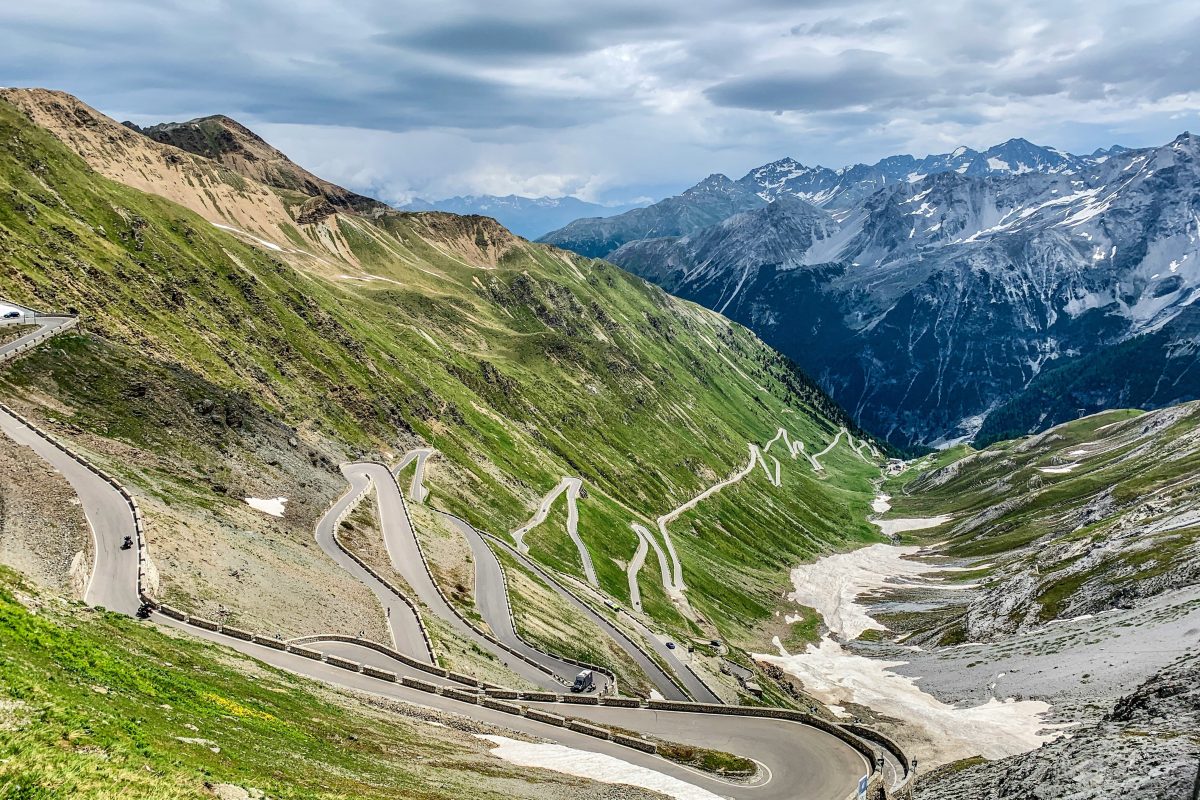
Applications are open for the second season of the MAHE project - Moderate Altitude Healthy Exposure - which will take place in the summer of 2026 at the Rifugio Nino Corsi in the Martell Valley, in the heart of Stelvio National Park. Altitude: 2,265 meters above sea level.
The mountain hut as a laboratory
The idea behind the research is easy to formulate, but less easy to test: prolonged stays between 2,000 and 2,500 meters do something to the body. Previous research in South Tyrol suggests that living at these altitudes may contribute to a lower incidence of high blood pressure and metabolic disorders - hypotheses that are definitely interesting, but have yet to be confirmed with systematic data.
During the 2025 season, a group of volunteers spent four weeks at Rifugio Nino Corsi between August and September, the first round of the MAHE project already mentioned. The Institute of Emergency Medicine in the Mountains of Eurac Research, in collaboration with the University of Zurich, set up real measuring stations in the hut: portable cardiovascular ultrasound machines, continuous glucose sensors, devices for CO-rebreathing - an instrument that, via the controlled inhalation of small amounts of carbon monoxide, allows calculation of hemoglobin mass and total blood volume. The parameters monitored ranged from heart and lung function to sympathetic nervous system activity, from metabolism to sleep, from appetite to endurance.
Meanwhile, participants worked remotely, prepared for exams and played an impromptu form of bocce ball with stones they found on site.
Who can sign up - and who can't
For 2026, the protocol starts again in Schlanders (BZ), at 720 meters, where each volunteer establishes his or her physiological starting point via basic measurements. This is followed by departure for the mountain hut for four consecutive weeks.
The study targets women and men between the ages of 18 and 40, in good health and with a normal body mass index. The exclusion criteria are strict: smokers, people with high blood pressure, established iron deficiencies, eating disorders or chronic diseases requiring medication (with the exception of hormonal contraception). Also excluded are people who eat vegan or have food allergies or intolerances - these would interfere with metabolic data - and those who exercise intensively more than twice a week.
A less obvious condition: in the four weeks prior to the start, volunteers must not have resided above 1,500 meters, because the stimulus of altitude really has to start from scratch.
Eurac will cover board and lodging for the entire duration of the study and will grant a flat-rate expense allowance of 400 euros gross. Interested parties should contact Birna Vardardottir at mahe@eurac.edu.
The research is funded through the Joint Project programof the Swiss National Fund and the Autonomous Province of Bozen, with the approval of the ethics committee of Bozen Hospital.
(©Eurac via GreenMe.it 2026 / Managing Editor: Julie Morgan - The Press Junction / Picture: ©Miguel Bruna via Unsplash)