
Society
Topical
Colored Easter eggs with ingredients you already have in the house: the natural method you weren't aware of
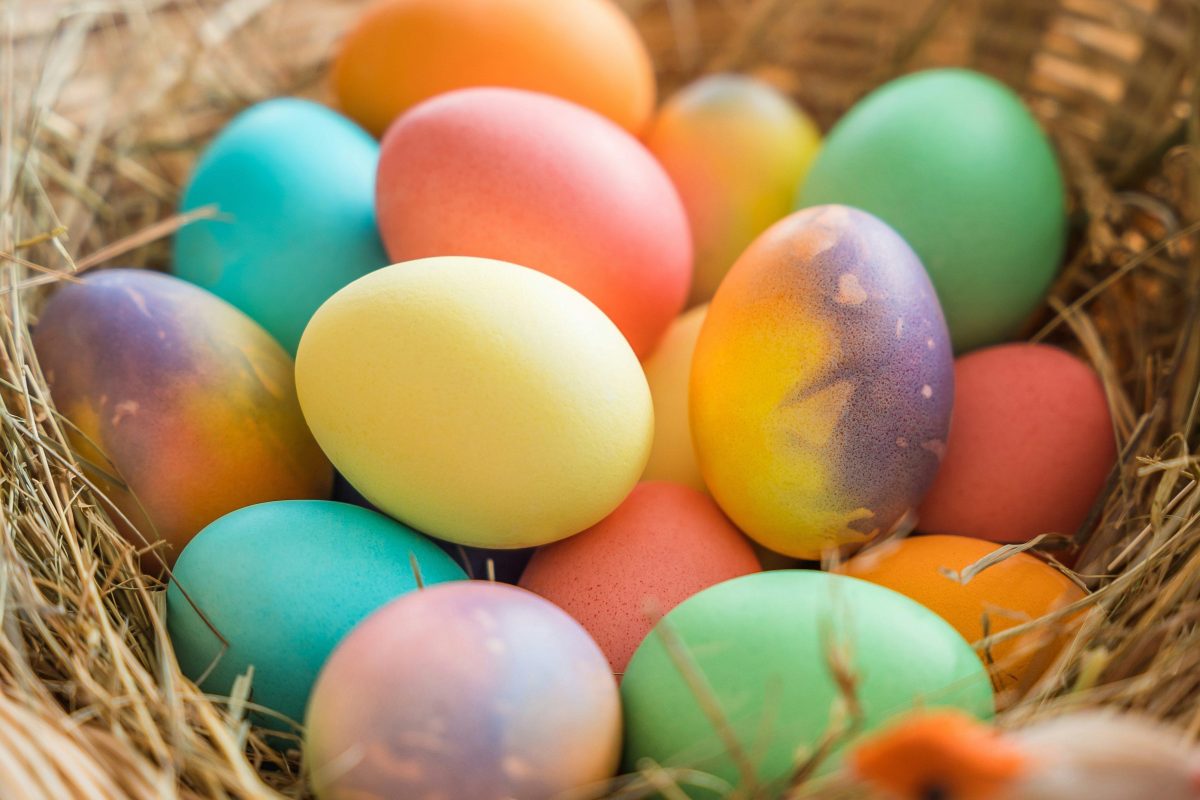 ©Dannyel Spasov via Unsplash
Coloring eggs naturally, using the right techniques and dyes, ensures that you can eat them without problems and not waste anything if you choose hard-boiled eggs. Should you use hard-boiled or empty eggs to color your Easter eggs? Both options are suitable. Just keep in mind that hard-boiled eggs are firmer than empty ones.
How to empty and color eggs
If you decide to empty the eggs before coloring them, you can use the contents for your Easter dishes and cakes. Ideally, the time when you start coloring the eggs should coincide with when you use them in the kitchen, so that you're working with really fresh eggs.
Emptying fresh eggs is very simple. You need a syringe to suck up the contents through a small hole. Or you make two holes, one above and one below, and then blow vigorously into the egg to get the contents out. You can then incorporate the content into your recipes.
That way, you're left with eggs with only the shell intact to color. These eggs are more fragile than hard-boiled eggs, but you can still try to dye them using the same techniques we suggest below, or paint them directly with gouache or watercolors, as with decorative, non-edible eggs. You have to be very careful when doing this so as not to break the shells. Rinse the eggs and let them dry thoroughly before coloring them (...).
How to prepare and color hard-boiled eggs
With hard-boiled eggs, cooking and coloring can take place at the same time. This is because the eggs take on color as you add specific ingredients to the cooking water.
The most practical way to color hard-boiled eggs is to add a few drops of food coloring during cooking (the same coloring agents often used to decorate pastries). You can also use food coloring by placing the hard-boiled eggs in cold, colored water. Even better is to use natural dyes to decorate your eggs.
The best practice to color eggs naturally is to cut two to three cups of your chosen fruits, vegetables or herbs into small pieces, put them in a stainless steel pan with a gallon of water and bring everything to a boil. Then add the eggs to the boiling water and cook for 12 minutes until fully hard. A good tip is to rub the eggs with some vinegar before cooking and brush them with a little vegetable oil immediately after coloring them, in order to make them shine more brightly.
You can add the following ingredients to the boiling water of the eggs, in amounts that vary according to the number of eggs and the shade you want to obtain, along with a teaspoon of vinegar to fix the color.
Yellow: saffron, turmeric or chamomile flowers
Green: spinach, parsley
Red and pink: boiled beet, red cabbage, rooibos tea, hibiscus tea
Orange: onion peels, paprika
Brown: coffee, cocoa, black tea
Purple: grape juice, red wine
Blue: blueberries
You can also make separate solutions with primary colors and mix them later on to get new colors, for example, red and blue for purple, yellow and red for orange (...).
If you like, you can create a leaf pattern or stripes, for example. In that case, place small leaves on the shell of the egg, put a pantyhose or stocking around it and pull it tight before dipping the egg in the desired color. For stripes, you can wrap the egg with a rubber band and then place it in the water.
Further let your imagination run wild and make original decorations by taping parts of the egg with tape, rubber bands or other objects you can find around the house.
Times and doses for each natural dye
If you want beautiful results, quantities are crucial. For one liter of water and 4 to 6 eggs, these are the guidelines for boiling or soaking:
- Yellow - 2 teaspoons turmeric or a full tablespoon of saffron powder
- Green - a generous handful of fresh spinach (about 100g) or a bunch of parsley
- Red and pink - 2 medium-sized, already cooked red beets, or half a red cabbage cut into pieces
- Orange - the peels of 4 to 5 yellow onions or a tablespoon of sweet paprika
- Brown - 4 tablespoons of instant coffee or 3 bags of black tea in a strong infusion
- Purple - 200ml unsweetened grape juice or a glass of red wine
- Blue - 150g fresh or frozen blueberries
In all cases, add a tablespoon of white vinegar to help the color adhere better to the bowl.
Intense shades or pastel colors: how to choose?
The secret is in the soaking time of the dye on the egg. For soft, pastel shades, it's enough to leave the eggs in the dye solution for 15 to 30 minutes at room temperature. Instead, if you want deep, saturated colors, leave the eggs in the solution in the refrigerator overnight, 8 to 12 hours. The concentration of the liquid also plays a role: if you double the amount of natural dye to the same amount of water, you get significantly more intense colors. Also important is the quality of the shell: white eggs take the color more evenly and brighter than brown eggs, which tend to give warmer, earthier nuances.
How to color and decorate non-edible eggs
If you don't normally eat eggs, you can still make Easter decorations in the form of eggs with non-edible eggs. These are special decorative eggs made of Styrofoam, wood or other materials, for example.
With synthetic eggs that are purely decorative, you can choose the colors and materials you like best. For example, you can cover the eggs with scraps of fabric or tissue paper, paint them with watercolor or gouache, or decorate them using the decoupage technique.
Your imagination is really the only limitation. With non-edible eggs, you can also use eco-friendly glue and small decorations such as glitter, beads, buttons and ribbons.
How to keep colored eggs
Once they are colored, you can store hard-boiled eggs in the refrigerator for up to 7 days, preferably in a tightly sealed container or in the original box, so that they don't absorb odors from other foods. Do not leave them at room temperature for more than two hours, especially if the house is well heated. If you have used natural dyes, keep in mind that the colors may fade slightly after a few days: this is perfectly normal. Empty eggs, on the other hand, keep maintain the color as long as you store them in a dry, dark place and the shell remains intact.
What are your methods and tricks for decorating and coloring eggs?
(©GreenMe.It 2026 / Managing Editor: Julie Morgan - The Press Junction / Picture: ©Miguel Bruna via Unsplash)