
Environment
Science
Weird & strange
Fukushima 15 years after disaster: 880 tons of radioactive debris still in reactors
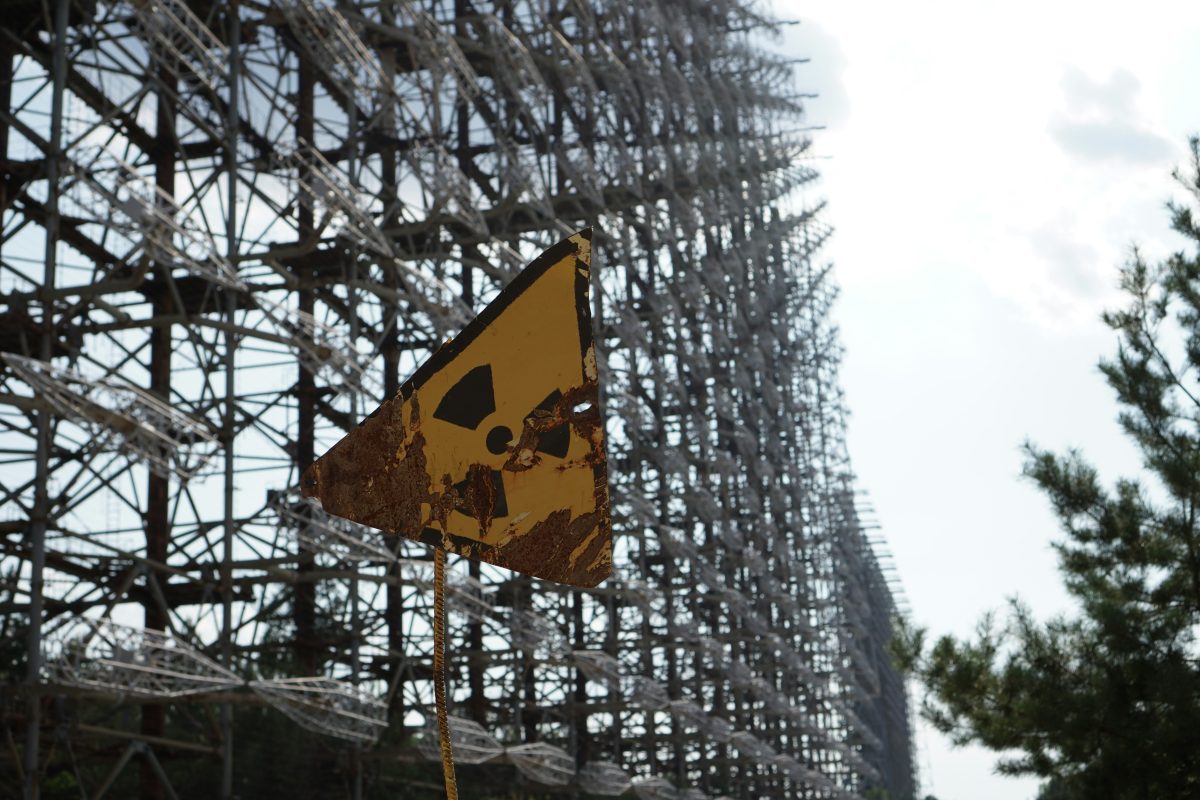 ©Romain Chollet via Unsplash
The day Japan came to a standstill is March 11, 2011. At 2:46 p.m., the country was hit by the most powerful earthquake ever recorded: a magnitude 9 in the Pacific Ocean, off the northeast coast. Forty minutes later, the second wave of the tragedy followed. A tsunami with walls of water over 10 meters high - nearly 40 in some places - inundated coastal cities and infrastructure.
Among that infrastructure was the Fukushima Daiichi nuclear power plant. The reactors shut down automatically after the earthquake, as required by safety systems. But water flooded the diesel generators, which should have powered emergency cooling. Without electricity, the plant went into a total blackout: the most feared scenario in a nuclear reactor.
During the following days, between March 12 and 15, the fuel in reactors 1, 2 and 3 overheated so much that the core melted. The so-called meltdown. The accumulation of hydrogen then caused four explosions that ripped away parts of the plant's buildings. The images circulated around the world.
The release of radioactive material forced authorities to evacuate a 20-kilometer area around the plant. More than 160,000 people left their homes within days. Many never returned.
Even today, 15 years later, more than 24,000 residents cannot permanently return to the most heavily contaminated areas. Entire neighborhoods seem to remain in a kind of standstill: abandoned schools with books still on the benches, rusted bicycles in gardens, houses slowly being swallowed up by vegetation.
Remediation has focused on the inhabited areas: an immense operation that has yielded some 15 million cubic meters of radioactive soil, removed and stored in temporary depots. In contrast, the forests that cover much of the region have been left largely untouched. And that is precisely where radioactive caesium still circulates in the soil, in foliage and in wildlife.
The return of nature
Now that humans have all but disappeared, wildlife has reclaimed a lot of space. Wild boars, raccoons and even black bears move freely among abandoned streets and gardens. Some studies suggest that animal populations have not collapsed, but in several cases have actually grown.
It's a typical paradoxical effect in areas affected by nuclear disasters: human presence decreases dramatically and nature benefits from this unexpected respite. But this phenomenon also raises political and social questions. What should happen to these lands if - and when - they become habitable again?
The 880 tons of radioactive debris left behind
The real challenge, however, lies ín the plant. Some 880 tons of molten fuel and highly radioactive debris remain in the destroyed reactors. This is the unresolved core of the disaster.
Removing this material is an unprecedented technological operation. Radiation levels are so high that direct human involvement is impossible: the cleanup depends entirely on robots and machines specially designed to operate in extremely hostile environments.
The decommissioning process is spread out over decades. According to the most optimistic estimates, at least 30 years are needed to completely remove the most dangerous materials.
A legacy that still weighs heavily
In the meantime, Fukushima continues to mark Japan's energy debate. After the disaster, the country virtually shut down all nuclear power plants. But in recent years, partly because of the global energy crisis, the government has begun to gradually restart some reactors.
However, the memory of 2011 remains razor-sharp in statistics and technical reports, as well as in the stories of those who lost loved ones, homes and jobs. And with it a part of their own identity.
Fifteen years later, Fukushima is both a contaminated area in need of remediation and an unwitting laboratory for the relationship between technology, risk and the environment. A permanent reminder of how long the shadow of a nuclear disaster can be.
(©The Japan Times via GreenMe.it 2026 / Managing Editor: Selma Keshkire - The Press Junction / Picture: ©Romain Chollet via Unsplash)