
World
Politics
Following months of silence and postponements, EU sanctions on Israeli settlers over West Bank violence agreed upon
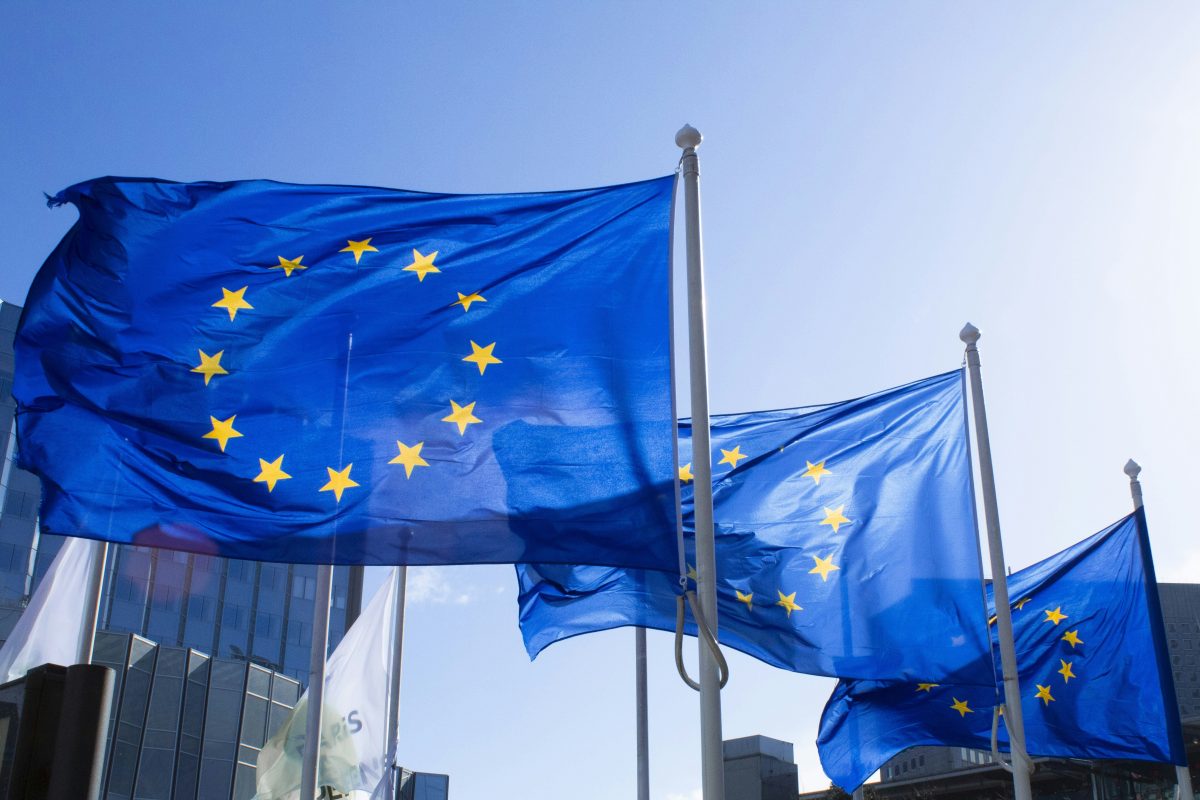 ©ALEXANDRE LALLEMAND via Unsplash
The twenty-seven foreign ministers of the European Union have approved new sanctions against Israeli settlers in response to increasing violence against Palestinians in the occupied West Bank. Restrictive measures also target Hamas officials.
The first effects of the post-Viktor Orbán era, Israel's old staunch ally, are beginning to be felt: the change of government in Hungary has put an end to months of delays in European projects. EU foreign ministers have now officially approved new sanctions against Israeli settlers for attacks on Palestinians in the West Bank (the European Commission will have to work on proposals for trade sanctions).
These measures generally consist of a freeze on assets in the Union and a ban on entry into member countries. A necessary measure, finally adopted, but one that raises questions: the main Israeli organizations guilty of supporting the extremist and violent colonization of the West Bank will be sanctioned, but what about the rest? What name does Europe intend to give to the uncontrolled and systemic increase in attacks since (at least) October 2023? As the UN points out, the settlements, which are illegal under international law, are built on land occupied by Israel in the West Bank and East Jerusalem, areas which the Palestinians claim for a future state. Who will put an end to this situation, and when?
All this comes as the Knesset approves a law to set up a special military tribunal to try Palestinian terrorists accused of committing atrocities on October 7, 2023.
"It was time to move from deadlock to action... extremism and violence have consequences", EU diplomatic chief Kaja Kallas wrote on X (ex-Twitter), underlining that new sanctions had been put in place against leading Hamas figures.
On the other hand, the proposal to introduce customs duties or trade restrictions on products from Israeli settlements in the West Bank failed to win the necessary support.
Israel reacts
The Israeli government's reaction was swift: According to the BBC, the Israeli Foreign Minister, Gideon Sa'ar, described the European decision as "arbitrary" and "devoid of any basis", accusing Brussels of targeting Israeli citizens and organizations on the basis of political considerations. Sa'ar also denounced the link made between the sanctioned settlers and Hamas, speaking of a "totally distorted moral equivalence".
The final list of targeted entities has not yet been made public, but according to Reuters it concerns three settlers and four organizations linked to the settlement movement.
The European Union's decision comes extremely late, but it nevertheless marks a political turning point that cannot be reduced to a mere "symbol". For years, settler violence in the West Bank has been presented as background noise, collateral damage of a wider conflict, while entire Palestinian communities were pushed out of their homes and torn from their daily lives. Today, Brussels recognizes, at least in part, that this violence has names, faces and responsibilities, and that it cannot go unpunished.
But sanctions alone are not enough if they remain isolated and if the political crux of the settlements is not tackled; they are not enough if the protection of human rights continues to sail at the whim of diplomatic distinctions, crossed vetoes and calculations of interests.
It remains to be seen whether Europe really intends to play a coherent role, or whether this decision will remain a parenthesis. Freezing assets and imposing entry bans is a first step. But who will verify that the measures are actually applied? Who will monitor the organizations concerned, the funding, the support networks, the products from the settlements that continue to circulate? And above all, who will safeguard the rights of those in the West Bank who continue to live under occupation, under threat and in fear?
(©GreenMe.it 2026/Managing editor: Selma Keshkire - The Press Junction/Picture: ALEXANDRE LALLEMAND via Unsplash)