
Environment
Weird & strange
Two 'apocalypse fish' discovered on a beach in Mexico: why are they harbingers of disaster?
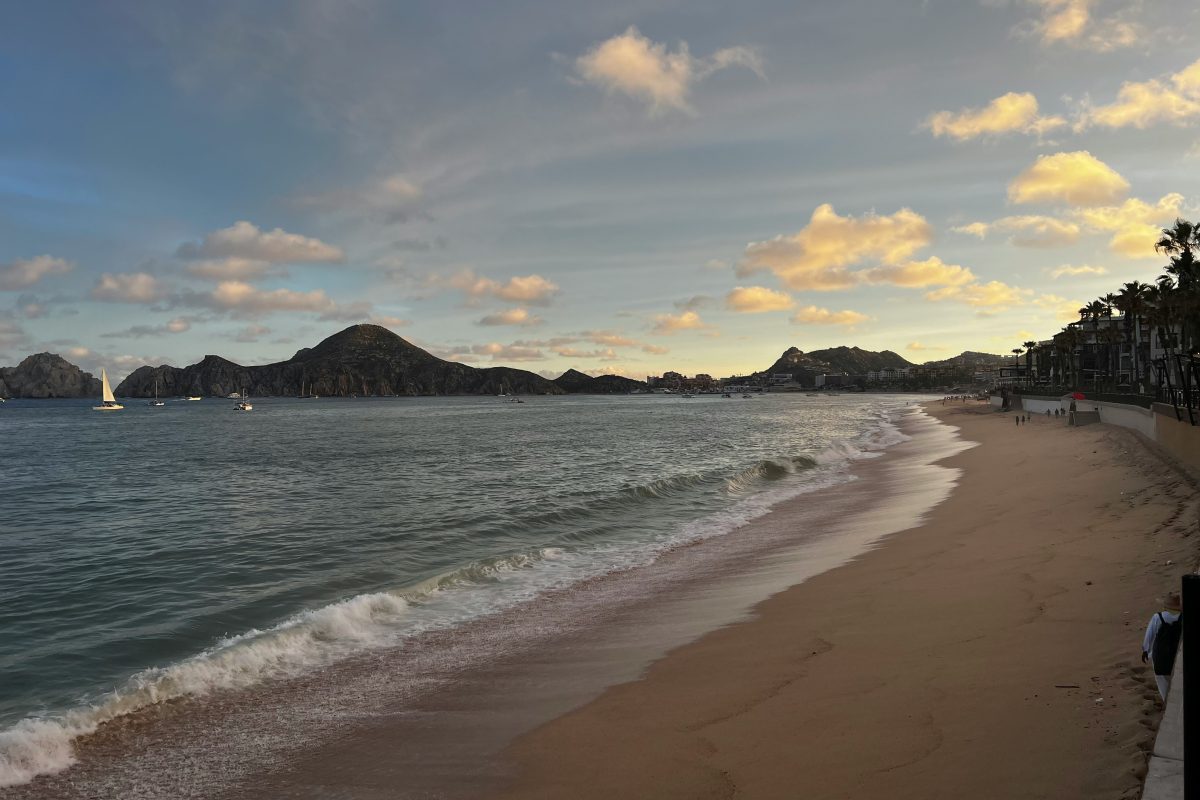 ©Pam Novak via Unsplash
A striking scene caught the attention of social media and curious onlookers across the world. On a beach in Cabo San Lucas, Mexico, tourists came across two marine creatures that were as fascinating as they were enigmatic: huge oarfish, also known as 'apocalypse fish'.
The appearance of these creatures is considered particularly rare, as these animals usually live in the depths of the oceans, up to around 1,000 meters below the surface. It's therefore extremely unusual to see them so close to shore.
According to accounts shared on social media by some witnesses, it all began with an unusual reflection in the water. As they approached, the two women realized it was a long silver fish struggling to move in the shallow water.
With the help of others on the beach, they managed to push the animal out to sea, helping it to regain deeper waters. But the surprise didn't stop there. Not far from the first specimen, a second one appeared. To see a single fish of this kind is an exceptional event. But to find two in the same place is nothing short of a miracle.
The world's longest fish and the mystery of the deep ocean
The oarfish is an impressive creature. Its long, slender body, almost like a silvery ribbon, has a bright red dorsal fin that makes it instantly recognizable. This species holds a singular record: it's considered the longest living bony fish. The most common specimens measure between 5 and 7 meters, but some individuals can reach up to 17 meters in length and weigh over 200 kilos.
Despite its almost monstrous appearance, the oarfish is completely harmless to humans. With no real teeth, it feeds mainly on tiny planktonic organisms. Its serpentine silhouette and the rarity of its appearances outside the depths have, over the centuries, fuelled ancient tales of sea snakes told by sailors.
Why it's called the 'apocalypse fish'
The creature's most ominous nickname is rooted in certain popular beliefs, especially in Japan and East Asia. In many traditions, the oarfish is considered a harbinger of natural disasters, such as earthquakes or tsunamis. This idea is based on a number of coincidences observed in the past. Before the devastating tsunami that hit Japan in 2011, for example, several oarfish specimens were found washed up along the coast. Since then, the legend has gone from strength to strength.
Scientists are keen to point out, however, that there's no solid scientific evidence establishing a direct link between these animals and earthquakes. Some researchers speculate that they may be influenced by changes in ocean currents or geological movements at depth, but this correlation remains highly uncertain.
Between myth and science, the apocalypse fish continues to exert particular fascination. A silent giant of the abyss who, when it appears near the surface, always manages to transform a simple day at the beach into a little mystery from the sea.
(©GreenMe.it 2026/Managing editor: Julie Morgan - The Press Junction/Picture: Pam Novak via Unsplash)