
World
Politics
Society
Environment
Weird & strange
The forgotten Holocaust: 180 million Native Americans exterminated in 500 years
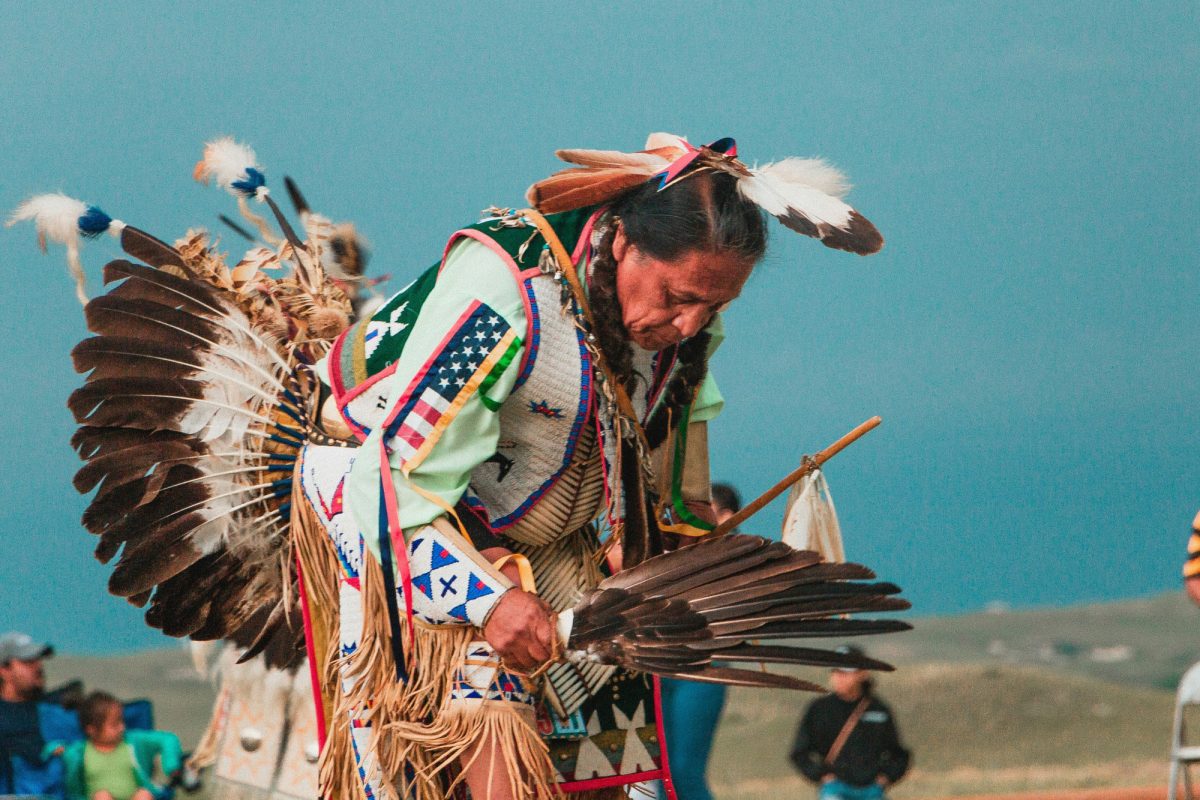 ©Andrew James via Unsplash
27 January 1945 officially marked the end of the largest mass murder in history. But that was not the only major massacre that took place. Indeed, according to the WOIR, 180 million Native Americans died at the hands of settlers and as a result of wars of conquest they witnessed the loss of their habitat and forced change in their way of life and diseases brought by the Europeans, to which the indigenous peoples had no immunity.
"Besides the tragedy of the Shoah, there are other massacres no one talks about, tragedies such as that of the Indians of the Americas, which led to the extermination of a large part of the indigenous peoples," stresses Viola Lala, press secretary of the World Organisation for International Relations, an international organisation that promotes social progress and human rights.
On 12 October 1492, with the arrival of Christopher Columbus in the Americas - wrongly called the discovery of America, as that designation betrays a Eurocentric view - the beginning of the end began for indigenous peoples. That date marked the start of a bloodbath that did not end until World War I: more than 500 years of wars in which, in the name of colonisation, millions were mistreated and murdered.
"And it was not just the natives who died, but also their traditions and their culture, and a pristine natural habitat was destroyed forever," Lala explains.
The European invasion brought disease, death, dislocation, plunder of resources and natural wealth. The remaining indigenous populations were forced into slavery, tortured, dispossessed of their land and culture and Christianised.
Native Americans, an open wound
More than five centuries have passed since the European conquistadors set foot in the Americas and, unfortunately, since then, little has changed in the situation of Native Americans. Today, just as then, some descendants of the area's indigenous peoples are forced to move to the poorest regions of the continent, or, on the contrary, are given 'occupation permits' by states and given the permission to live on land that was wrongfully taken from them in the past.
The International Holocaust Remembrance Day is an important date that allows us to understand how and why the Holocaust could have happened, and can help to better understand mass violence in general. At the same time, it also underlines the importance of promoting human rights, ethics and civic engagement to strengthen human solidarity.
The question we should ask on this year's Day of Remembrance is: why do we commemorate some genocides and ignore others? Why is there a Remembrance Day for the Holocaust but not for the 180 million exterminated Native Americans? Why, in 2026, 534 years after the arrival of Columbus, are Native Americans still arrested on their own land, still discriminated against, still considered 'others'?
Remembrance should not be selective. 'Never again' cannot apply only to some. Until we have the courage to face all of history's genocides, we will continue to repeat them.
Let us also make their pain visible by restoring historical memory, which is essential to become aware of and never commit the same mistakes again.
(©WOIR / COICA / CDC / FILAC via GreenMe.it/Managing Editor: Selma Keshkire - The Press Junction/Picture: Andrew James via Unsplash)