
Economy
Environment
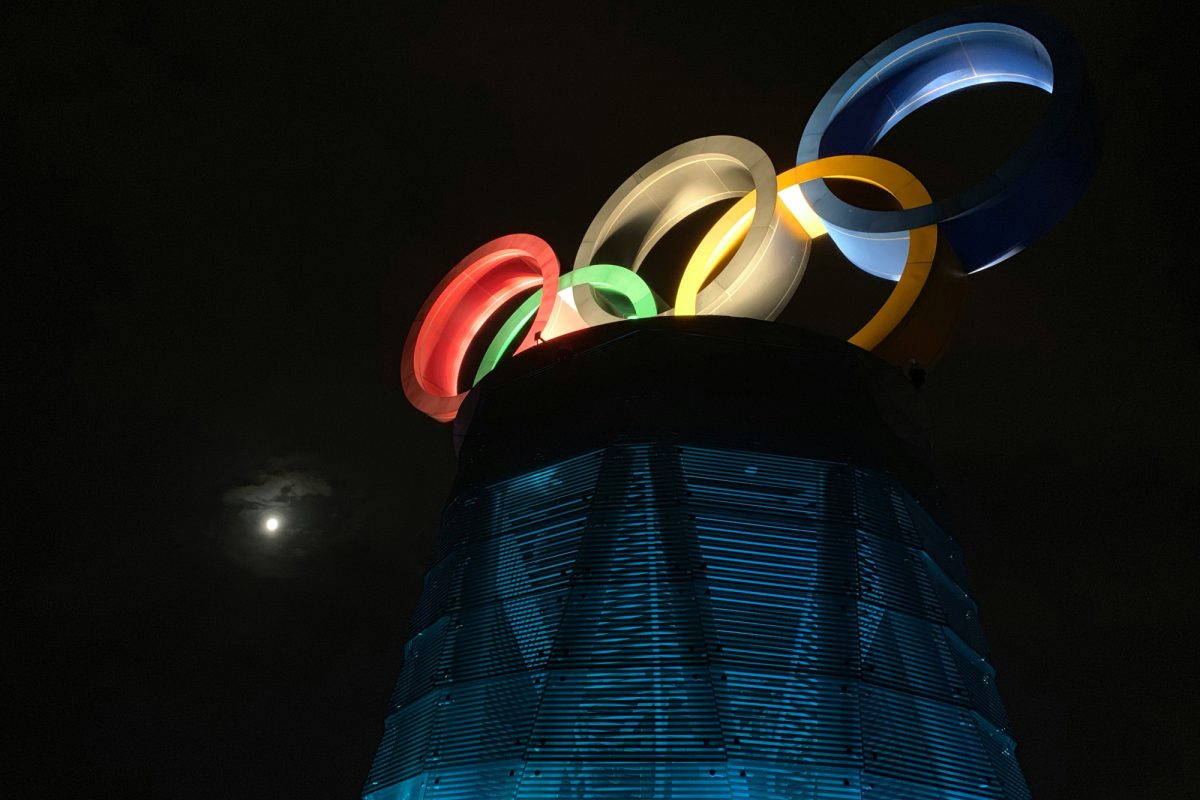
The rings of the Milan-Cortina Olympics? They represent 5 major contradictions (starting with the polluting sponsors)
 ©Unsplash
There is only a very short time to go before the 2026 Milan-Cortina Olympic and Paralympic Winter Games: presented as the 'most sustainable ever', in reality it's clear that behind these green promises is a much more complex and worrying system.
Indeed, less than a week before the opening, serious contradictions are coming to light regarding the environmental, social and economic impact of the event. Greenpeace lists a series of figures, starting with a study by Scientists for Global Responsibility and the New Weather Institute, which shows that the Games will lead to a loss of 2.3 km² of snow cover and a decrease of more than 14 million tons of glacier ice.
What is truly shocking, however, is that the emissions associated with the Olympics, largely fueled by companies such as Eni, Stellantis and ITA Airways, will potentially be responsible for an even greater impact. If sponsorship by these companies were removed, the climate impact of the Milan Cortina Games could be reduced by nearly 60%.
Moreover, the intensive exploitation of nature for the construction of high-altitude facilities, mountain huts and construction sites is already having devastating effects. In Cortina d'Ampezzo, petrification has led to serious ecosystem damage, with the construction of a gondola in an ecologically sensitive area. The soil itself has collapsed under the pressure of construction activities, raising concerns among environmental organizations. And yet, despite the mobilization of local communities, the excavators have returned to work and the area is being irreparably degraded.
Forgotten promises
The original promises of an economically sustainable event have been abandoned. In 2019, when Milan-Cortina applied to host the Games, a budget of 1.36 billion euros was anticipated, with the promise that no public money would be used. Today, however, the total budget has risen to more than 5.4 billion, a significant portion of which is covered by public funds. The most telling example is the Olympic Village at Porta Romana in Milan, whose cost has risen by 40 million euros, with the added risk of further straining public finances.
On top of that, much of the infrastructure associated with the Games will not even be ready for opening: 57% of planned projects will not be completed until after February 6, 2026, with all the uncertainties and additional economic impact for taxpayers.
The picture of contradictions is completed by the increasingly obvious links between the Olympics and the arms industry. As Greenpeace recalls, Leonardo, an arms giant accused of being complicit in the genocide in Gaza, is one of the official sponsors of Milan-Cortina 2026. This alliance stands in stark contrast to the principles of peace and friendship that should characterize any Olympic event.
This is not the only concern. Despite the earlier decision to exclude Russian and Belarusian athletes because of their ties to the war in Ukraine, the Olympic Committee has actually confirmed the legitimacy of participation by Israeli athletes, despite international allegations of war crimes. The sponsorship policy and the selection of participating athletes raise questions about the Games' actual ability to convey values such as peace and solidarity.
The sponsorship by Eni
Among the main sponsors of the Games - Greenpeace stresses again - is also Eni, the Italian oil and gas giant, which has been accused of being one of the main people responsible for the greenhouse gas emissions that contribute to the decline of snow and glaciers in the Alps, on which winter sports rely. With 395 million tons of CO2 emissions per year, Eni is jeopardizing the future of the Olympics themselves. In the long run, it is estimated that the company's emissions could wipe out more than 50% of Italy's alpine glaciers, a damage that would forever undermine the practice of winter sports.
Despite its claims of sustainability, Eni continues to invest heavily in fossil fuels. For every euro it puts into its 'green' division, it spends 7.7 euros on oil and gas, making it clear that sustainability is mostly a facade.
In short, just days before the start of the 2026 Winter Olympics, Milan-Cortina faces a long list of contradictions that can no longer be ignored. The promises of a sustainable and inclusive event have been swept away by numerous wrong choices, and now the International Olympic Committee should be challenged to free the Games from polluting interests and economic motives that stifle their own essence.
Milan-Cortina 2026 could be an excellent opportunity to show that sport can truly be a symbol of peace and sustainability, but is there still enough time?
Eni's response
[...] we reiterate that Eni endorses the importance of the fight against climate change and will continue to invest in the energy transition, as evidenced by its ongoing and growing investments in a trajectory of gradual decarbonization that will lead to net zero emissions by 2050. This includes a gradual expansion of its own low- and zero-carbon production, which can count on 5.8 GW of installed renewable capacity and 1.65 million tons/year of biofuel refining capacity by the end of 2025). In any case, we reject any report that uses scientific data to methodologically incorrectly attribute responsibilities that have no scientific or legal basis whatsoever.
Article and opinion by GreenMe.it
(©GreenMe.it 2026/Managing Editor: Selma Keshkire - The Press Junction/Picture: ©Matthew Ansley via Unsplash)