
World
Environment
Weird & strange
Two friends, one blind and the other armless, plant over 10,000 trees to create a forest
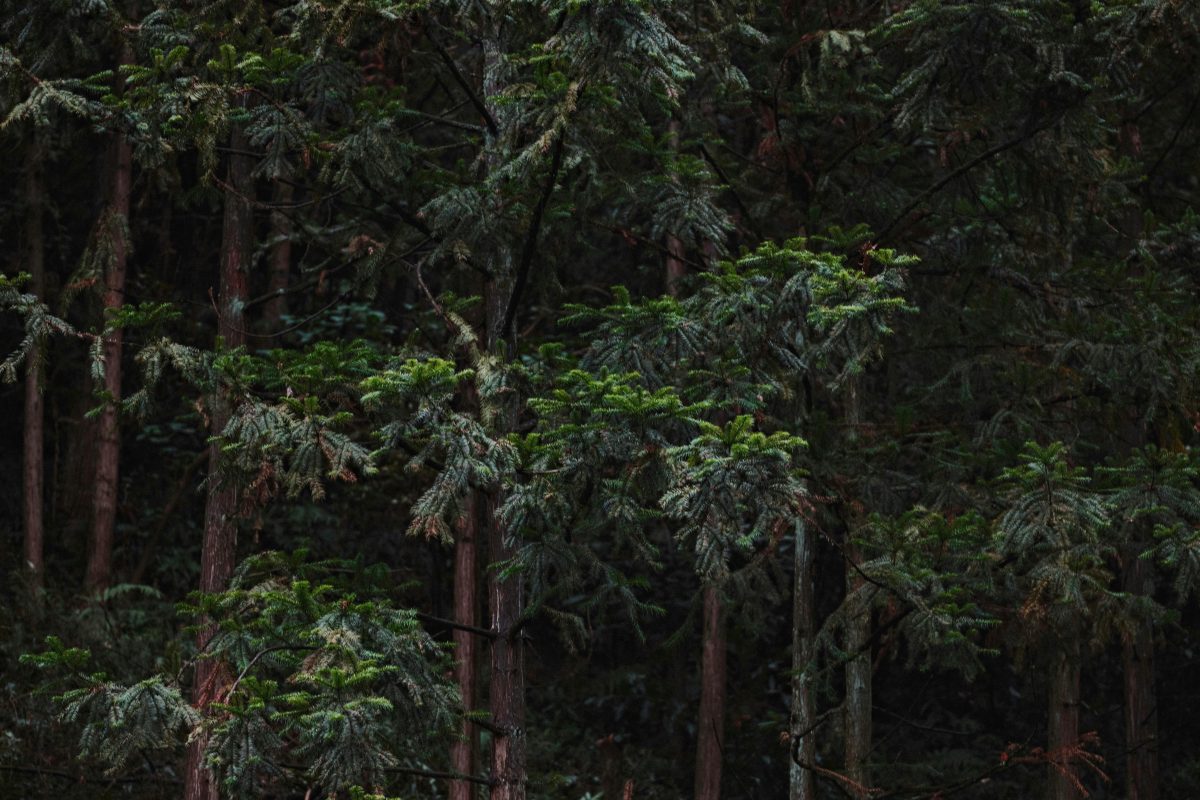 ©chen zy via Unsplash
In northeast China, in the small village of Yeli, there was once a bare, windswept riverbank ravaged by floods. Today, that same strip of land is covered with thousands of trees. It wasn't heavy machinery or huge investments that changed the landscape, but two severely disabled men who decided to work together.
Their names are Jia Haixia and Jia Wenqi. The former lost his sight in 2000, following a factory accident that damaged his only good eye. The latter has lived without arms since the age of three, following a high-voltage electric shock. As classmates and childhood friends, once both reached adulthood, they found themselves sharing a very difficult situation and meager job prospects.
"I'm his hands, he's my eyes"
Faced with their country's difficulties, they didn't resign to do nothing. They leased eight hectares of land from the local government with a clear objective: to plant trees to protect the village from flooding and, in time, generate a small income. The agreement stipulated that the trees they planted would become their property.
Every day, they take the same route. Wenqi leads the way through the woods, while Haixia holds the empty sleeve of his friend's jacket for orientation. When they have to cross the river, the blind man climbs onto his companion's shoulders to avoid being swept away by the current. "I'm his hands, he's my eyes," they often repeat. It's not a symbolic phrase, but an exact description of the way they work together.
Ten thousand trees and a winning bet
At first, nobody believed in their project. During the first year, almost all the saplings perished due to drought. But the two friends never gave up. To take cuttings from the tallest trees, Wenqi bends down and allows his friend to climb on his shoulders. The balance in question is based on absolute trust.
More than ten years later, the results are clear to see: around 10,000 trees have survived, some 3,000 have not. The once arid area now attracts birds and wildlife and forms a natural barrier against flooding. The villagers, skeptical at first, are now helping them with tools, water and new plants. Their story is not one of miracles. It's about everyday work, concrete collaboration and how two limitations, once united, can become a force capable of reshaping an entire landscape.
(©GreenMe.it 2026/Managing editor: Julie Morgan - The Press Junction/Picture: chen zy via Unsplash)