
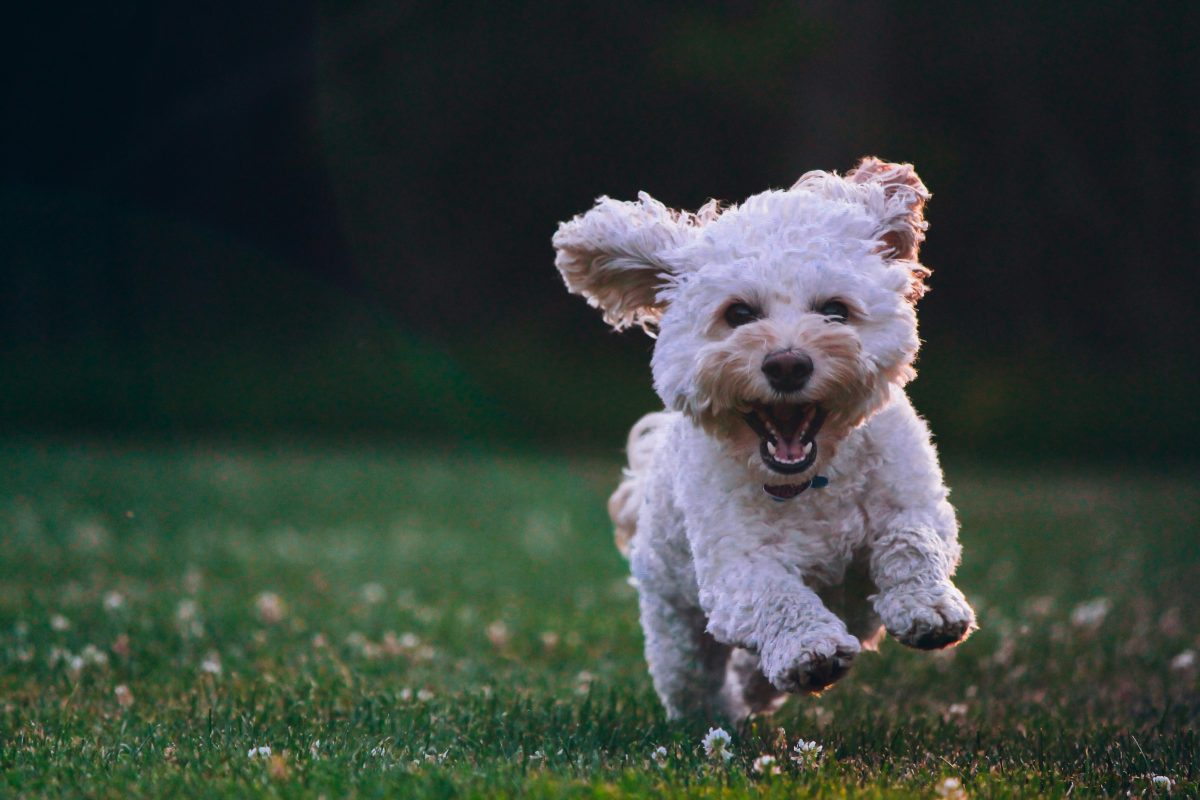
 ©Joe Caione via Unsplash
When we choose to bring a dog into our lives, we think of affection, companionship, walks and the sense of home that only an animal can provide. However, hardly anyone thinks about how much a dog's size affects its behavior and upbringing. Yet, it's precisely from its size that many, everyday problems arise, and often mistaken for 'character'.
The truth is simple and surprising at the same time: a dog's character has a profound influence on its ability to be trained, the way it responds to its environment as well as on our choices as owners. Understanding this is not about labeling, but about building a more balanced, respectful and intentional relationship.
Why dog size matters
A study published in 2025 analyzed the behavior of more than 5,000 dogs of 48 different breeds, relating physical characteristics such as height, weight and skull shape to behavioral traits observed in everyday life. The questionnaires were answered by owners, who told what really happens within the walls of their homes and during walks.
The result was clear: size is one of the strongest predictors of a dog's behavior. In particular, it was found that the smaller the dog, the more problematic certain behaviors become, while as height increases, so does ease of training.
Small dogs exhibit more frequent persistent barking, greater fear of strangers, a tendency to steal food and high levels of restlessness. They are described as more irritable, hyperactive and reactive to stimuli. In contrast, older dogs on average are more manageable from a parenting standpoint, not because they're 'better', but because they're less constantly on guard.
Another interesting finding concerns dogs with elongated skulls, such as dachshunds and Italian greyhounds: in small breeds with this type of build, anxiety, nervousness and reactive behavior are more common, especially in a new or crowded environment.
Small dogs more anxious and reactive
It's not just a matter of parenting. There are obvious biological reasons why small dogs are more difficult to train, especially if their needs are not taken into account.
A small dog lives in a 'giant' world: people, sounds, other animals and even ordinary objects can be a potential threat. This leads to an almost permanent state of alertness, making it difficult to concentrate on learning commands and rules.
Physiologically, nerve impulses travel shorter distances in smaller dogs, allowing them to react very quickly. Added to this is a faster metabolism, resulting in more energy and difficulty relaxing. The result is a dog that is always ready to react, often before he even realizes what is happening.
Household
Housekeeping also plays an important role. A smaller bladder means more 'accidents' in the house, making hygiene training more time-consuming and complex than for a large dog.
The result is a dog that is always ready to react, often before it even realizes what's going on.
Why we are more lenient with small dogs
The study also highlighted an aspect that affects us directly. Owners of small dogs are often less consistent in their training, often without realizing it. Some behaviors are tolerated because "he's small anyway," "he's not hurting anyone," or "he's just nervous".
An accident with a small dog seems less of a problem, as does growling or excessive barking. In contrast, those who live with a large dog are often more alert, structured and constant, partly out of fear that a mistake could have serious consequences.
A large dog is often more alert, structured and constant
Large dogs, precisely because of their size, are more likely to be raised, leashed regularly, placed in precise routines and guided on clearer educational paths. But the key point is only one: inconsistency in parenting worsens training, regardless of size.
How do you raise a small dog without overprotecting it?
Living with a small dog is not a parenting condemnation, far from it. After all, all dogs are trainable, if you change your perspective.
Starting early makes all the difference. Parenting based on positive reinforcement, with rewards, play and affectionate contact, helps build safety and trust. Consistency is crucial: what is allowed today should be allowed tomorrow, and what is wrong should always be corrected in the same way.
Routines are a valuable ally. A predictable day lowers the level of restlessness, making the dog calmer and less reactive. It's also important to resist the temptation to intervene immediately, and not to comfort or protect the dog at every sign of fear or frustration.
s
Finally, socialization with other dogs, in a safe environment, helps develop social skills and reduce anxiety and insecurity.
Training dogs based on size does not mean making arbitrary distinctions, but recognizing different needs. Small dogs are no less intelligent, but they are more sensitive, reactive and often more susceptible to stress.
They are more aware of their own needs and are more prone to stress.
With a more conscious and less indulgent outlook, even the smallest dog can become balanced, serene and well-behaved.
And coexistence then truly improves for everyone.
(©Wetenschappelijke rapporten Via GreenMe.it 2026/Managing Editor: Selma Keshkire - The Press Junction/Picture: ©Nick Karvounis via Unsplash)