
Society
Economy
Weird & strange
Everest scam: guides accused of poisoning tourists to provoke helicopter evacuations
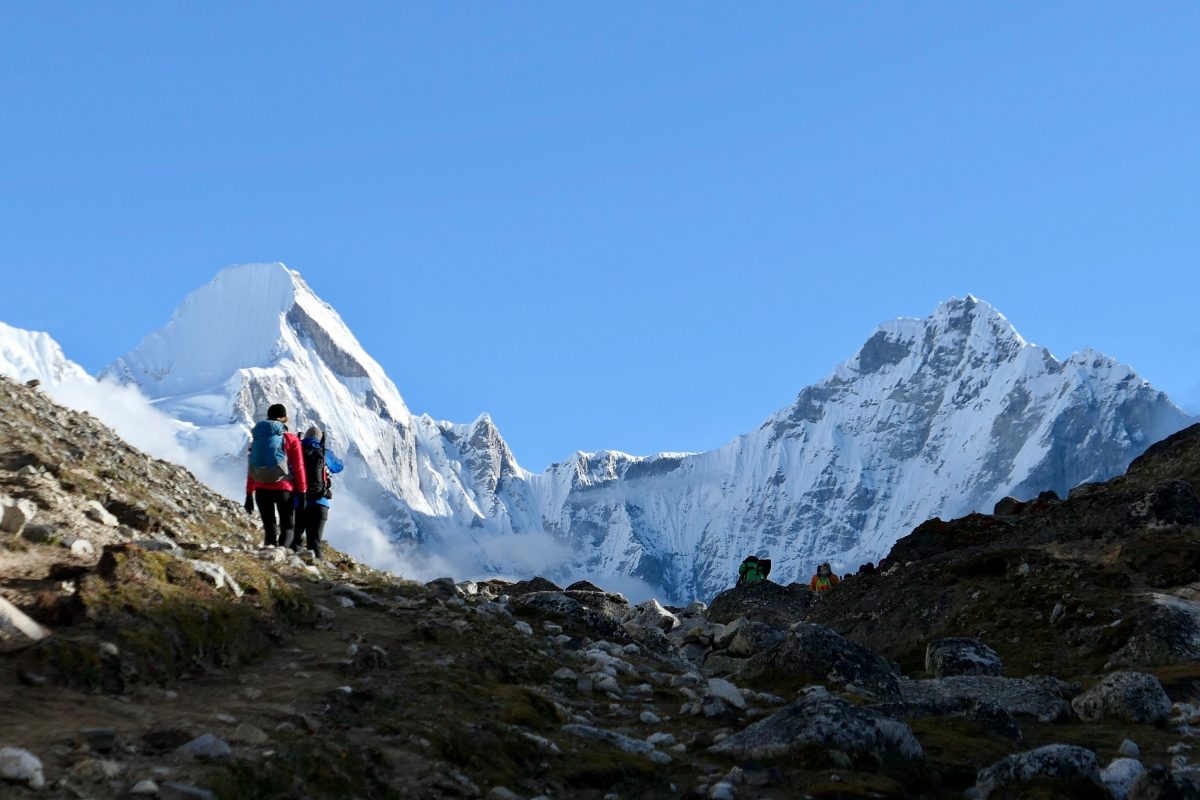 ©Ben Lowe via Unsplash
An organized criminal network on Everest has allegedly turned high-mountain expeditions into a means for swindling international insurance companies. According to the Nepalese police investigation, some mountain guides and tour operators deliberately induced illness in foreign climbers in order to force them to be evacuated by helicopter, and then submitted inflated or entirely fraudulent claims.
The scandal is said to have involved 4,782 international climbers between 2022 and 2025. The authorities have already indicted 32 people and made several arrests in connection with the operation. The scheme is said to have generated nearly $20 million in insurance reimbursements, obtained through falsified medical records and rescue operations deemed unnecessary.
Adulterated food and faked ailments
According to investigators, some tourists were deliberately poisoned during expeditions. Among the most common methods used? The addition of large quantities of bicarbonate to food, likely to cause nausea, abdominal pain and symptoms similar to altitude sickness. In other cases, drugs were administered to trigger physical discomfort.
Once the first symptoms appeared, climbers were convinced of the need for emergency medical evacuation by helicopter, often presented as indispensable. The companies involved would then produce falsified medical certificates and manipulated flight logs in order to claim reimbursements from international travel insurers.
Inflated invoices and falsified documents
The system was also based on artificially inflated costs. According to the investigation, when several tourists were transported in the same helicopter, each passenger was billed as if he or she had taken a separate flight. To support the claims, fictitious health and hospitalization documents were produced, sometimes in the name of people who had not received any care at all.
The network involved several players in the tourism chain: sherpas, trekking agencies, air rescue companies and hospitals. Some companies alone are said to be responsible for hundreds of suspicious evacuations, with millions of dollars collected via claims considered fraudulent.
Investigations and impact on tourism in Nepal
The first arrests were made in January, when six rescue company directors were arrested for organized insurance fraud. The Nepalese authorities cite not only economic but also reputational damage, emphasizing the negative impact on the country's reputation and on Himalayan tourism.
This is not the first time that similar cases have come to light. Earlier investigations had already uncovered fake rescues on Everest, but according to the investigators, the scam continued due to insufficient sanctions and difficult controls at high altitude. Meanwhile, some international insurance companies have reportedly threatened to withdraw their coverage for treks in Nepal if the phenomenon is not curbed.
Source : Kathmandu Post
(©GreenMe.it 2026/Managing editor: Selma Keshkire - The Press Junction/Picture: Ben Lowe via Unsplash)