
Society
Topical
Anti-loneliness benches: British parks to make 'bonding benches' to create contacts and friendships
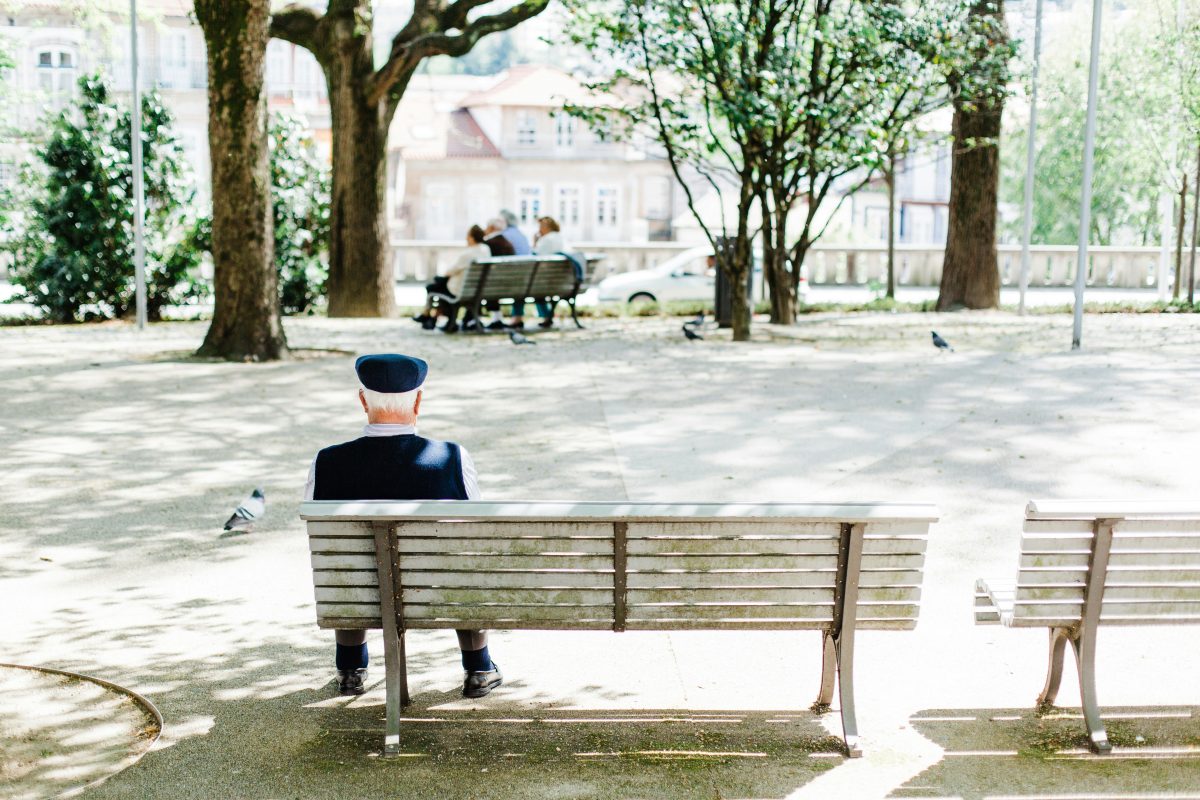 ©Bruno Martins via Unsplash
An innovative initiative is gaining ground in the United Kingdom: the so-called 'bonding benches' are designed to encourage socialization between strangers and combat loneliness, especially among parents and families with young children. The project is an initiative of English Heritage, an organization that manages monuments and historic sites in England, with the aim of revitalizing the social - in addition to cultural - function of public spaces.
At first glance, they appear to be ordinary benches, but each one features a sliding indicator that shows whether someone is open to a chat or prefers to remain seated in peace. A simple, direct and discreet gesture designed to reduce lonely feelings without forcing unwanted conversation. Benches have already been placed at busy tourist spots such as Stonehenge and Tintagel Castle, often near lawns or play areas where families like to linger.
Parenting and social isolation
The initiative is part of a broader program targeting parents, a group that often faces loneliness: living far away from one's family, the lack of a safety net or friends with similar values makes daily life a lot harder. As Emma Fernandes-Lopes of English Heritage emphasizes, "Being a parent these days can be a particularly lonely experience. We hope the benches will help establish contacts and friendships that can at least partially break that loneliness."
Recent surveys underscore how widespread the problem is: two-thirds of brand-new parents say they feel lonely at least occasionally, and nearly 90% sometimes feel overwhelmed. The project also includes joint outdoor activities for parents and children, such as walks and volunteer-led play times, which enhance the social aspect of visiting historic sites.
Loneliness as a health risk
It's not just a social problem. Chronic loneliness has been recognized by the WHO as a risk factor comparable to smoking 15 cigarettes a day. Large-scale studies show that isolation increases mortality, especially from cardiovascular disease, and affects the risk of neurodegenerative diseases, diabetes and high blood pressure. People who live alone are also more likely to have less healthy lifestyles, with more sitting habits and higher use of alcohol and tobacco.
The anti-loneliness benches are thus a concrete response to a growing problem and seek to turn public spaces back into places of meeting and community building. A small gesture, a shared bench, can become a bridge between people and offer families another piece of networking and support - right in the heart of English history and culture.
(English Heritage via GreenMe.it 2026/Managing Editor: Julie Morgan - The Press Junction/Picture: ©Bruno Martins via Unsplash)