
World
Politics
Society
Moscow: no mobile Internet for days, return of walkie-talkies and suspicions of censorship
 ©ZINO via Unsplash
In Moscow, the mobile data network has been down or intermittent for several days now, and for millions of people, the smartphone has become an almost useless object. Payment apps, GPS navigation services and messaging platforms suddenly stop working, paralyzing daily life in a city that has become accustomed to living at the pace of digital services.
At times, even cabs, parking meters and ATMs came to a standstill, while businesses had to slow down or suspend their activities. The Kremlin cited security measures, without providing details, but the extent of the breakdowns, from the outskirts to the center of the capital, fueled suspicions of a wider intervention. In a hyper-connected metropolis, the loss of the mobile network highlighted the fragility of the digital infrastructure when restricted by the authorities.
The suspicion of a 'whitelist' and network control
Behind these interruptions, the hypothesis of a test for a 'whitelist' system is gradually emerging, i.e. a network where only state-approved sites remain accessible. In this scenario, anything not on the list would be automatically blocked, limiting access to independent information and foreign platforms.
At the same time, pressure on foreign apps has intensified. WhatsApp and Telegram have been restricted in certain areas, while the authorities are promoting MAX, a state-backed messaging service. According to several analysts, the aim is to reduce dependence on external platforms and strengthen control over information.
Back to analog: walkie-talkies and cash
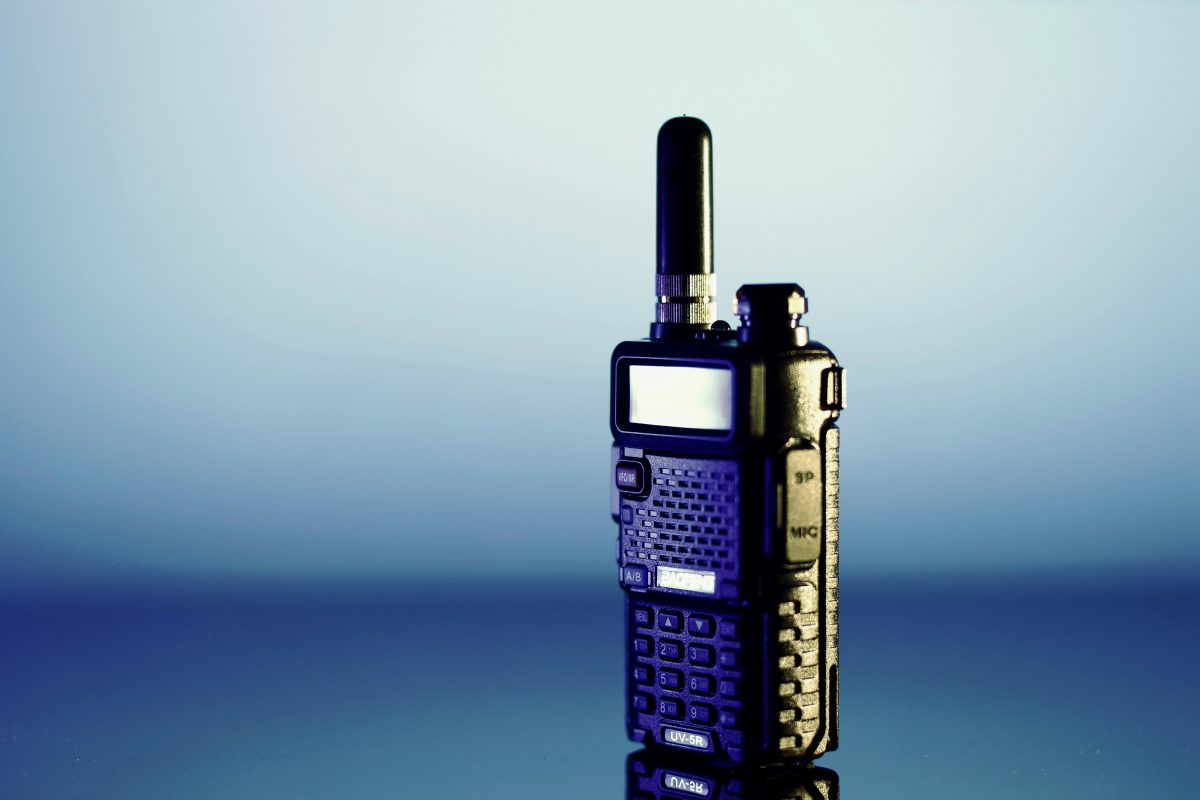
With an unstable connection, many Muscovites have adopted back-up solutions. Walkie-talkies, beepers, paper road maps and, above all, cash have become commonplace once again. Without the Internet, paying with a smartphone becomes impossible, and even sending a simple message can turn into a headache. SMS traffic has increased vastly, and many businesses have stopped accepting digital payments. In practice, the city has taken a technological leap backwards, rediscovering tools deemed outdated but which have the advantage of working without a connection.
Residents' irony: 'back to the 1990s'
Despite the inconvenience, ironic content reporting on the situation has flooded social media networks. Some residents joke about having to ask for directions in the street again, while others post photos of folded maps and plans, or walkie-talkies pulled out of drawers. Some even use their phones to play ping-pong or pretend to make a video call, knowing fully well that no one will pick up.
Yet this irony conceals a more serious reality: the fear that the blackout is not just a passing episode. Laughing at the situation has become a way of coping with uncertainty, as the city experiments with what it means to live with a fragile, controlled connection. Moscow thus finds itself confronted with an unexpected scenario: a metropolis that slows down, reverts to analog and discovers just how precarious online freedom can suddenly become.
Source : РБК
(©GreenMe.it 2026/Managing editor: Selma Keshkire - The Press Junction/Picture: ZINO via Unsplash)