
 ©Unsplash
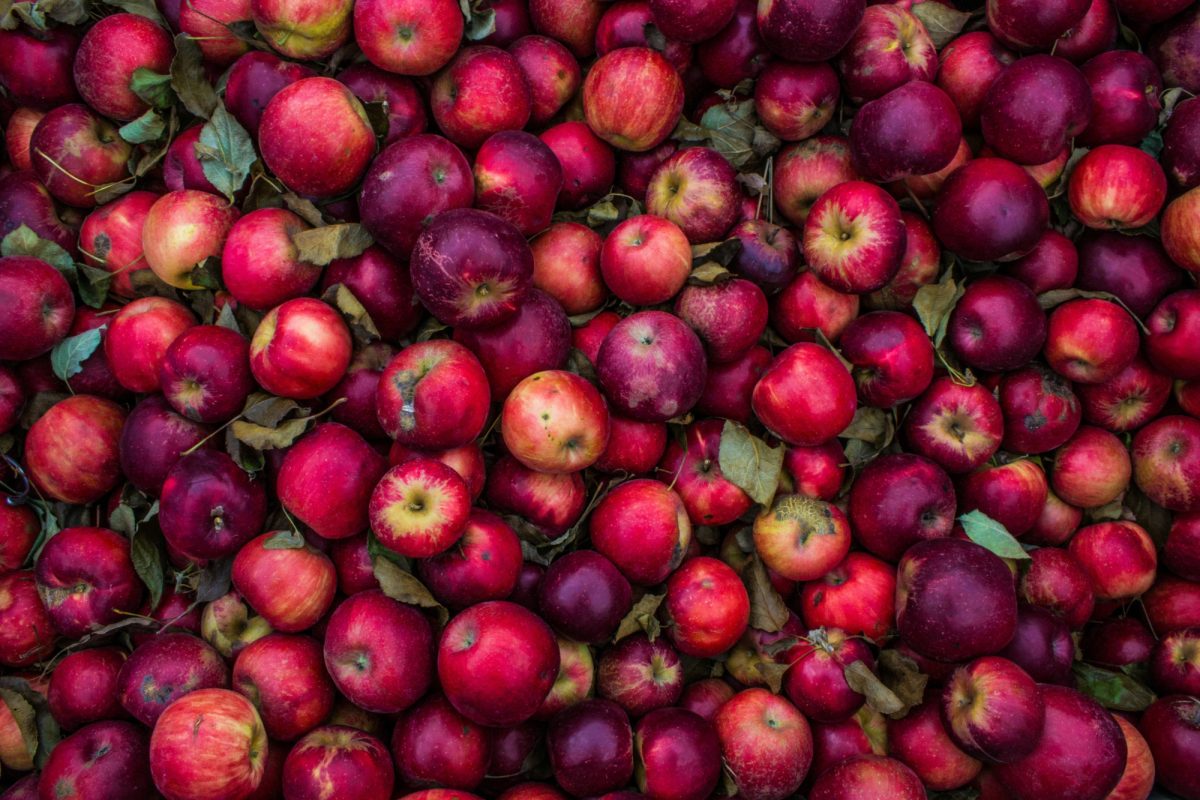
The results of the new report by PAN Europe - a coalition of environmental organizations active throughout Europe - which analyzed 59 apple samples from 13 countries, including Italy, France, Spain and Germany, highlights almost systematic contamination by multiple pesticides.
The figures are truly striking: 85% of the conventionally grown apples tested contained residues of several pesticides at once, while only 7% were found to be totally free of chemical traces.
The most worrying aspect of the survey concerns the type of substances detected. 64% of samples contained at least one pesticide belonging to the PFAS family, 'eternal pollutants' that persist in the environment for decades and accumulate in living organisms.
A third of the apples analyzed (36%) also contained traces of neurotoxic pesticides, substances potentially harmful to the nervous system, while 71% contained at least one of the pesticides classified by the EU as "candidates for substitution", i.e. the most dangerous substances, which should be withdrawn from the market as a matter of priority.
What worries experts most is not so much (or not only) the presence of individual pesticides, but their combination. Simultaneous exposure to multiple chemical substances - the famous cocktail effect - can produce unpredictable synergistic effects, potentially more harmful than the sum of each individual component.
20 years ago, the European Food Safety Authority was tasked with developing a methodology for regulating the combined effects of chemicals. "The European Food Safety Authority was tasked with developing a methodology to regulate the combined effects of pesticides, but has yet to fulfil this legal obligation," points out PAN Europe campaigner Gergely Simon. Scientific evidence is increasingly linking chronic exposure to pesticides to fertility problems and even potential cancers.
Even more worrying, 100% of the contaminated samples contained PFAS pesticides and substances classified by the EU as 'candidates for substitution' - in other words, the most toxic pesticides, which are supposed to be eliminated as a priority. The only positive note was the absence of residues of neurotoxic pesticides in the Italian samples analyzed, contrary to what was found in other European countries.
Only 1 in 5 apples was found to be completely free of chemical traces, a figure that shows the extent to which pesticide contamination has become the norm rather than the exception.
The report highlights a regulatory paradox: these same apples, if used to make food for children under three, could not be marketed. European legislation sets much stricter limits for products intended for young children, implicitly recognizing the risks associated with exposure to pesticides during development.
Parents are often unaware that feeding their children conventional fresh fruit or vegetables considerably increases their exposure to pesticides, sometimes by more than 600 times compared to processed baby foods.
In anticipation of more effective European rules, PAN Europe provides some practical advice for consumers concerned about their health and that of their loved ones.
The main recommendation is to opt for organic apples, which by definition are grown without synthetic pesticides. Alternatively, for those who buy conventionally grown apples, it is advisable to peel them before eating them, as the majority of residues are concentrated in the skin.
(©GreenMe.it 2026 / Managing Editor: Selma Keshkire - The Press Junction / Picture: Unsplash)