
 ©Unsplash
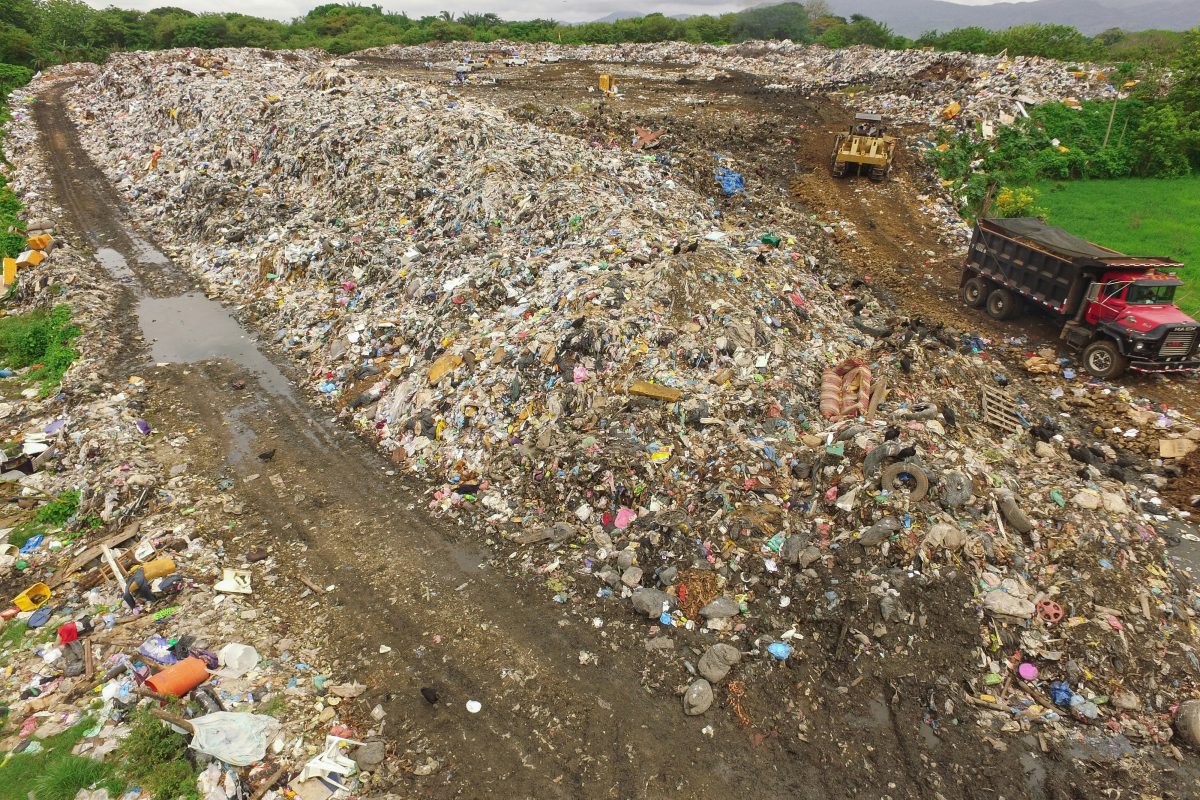
In New Delhi, one of the world's most polluted cities, the unbreathable air and uncontrolled burning of waste aggravated teenager Vihaan Agarwal's asthma. In 2017, the collapse and fire at Ghazipur's huge landfill made visible what until then had only been a perception: the direct link between waste management and health.
This gave rise, along with his brother Nav Agarwal, to a simple but radical question: what would happen if waste sorting really worked?
The first attempt was made at home: separate plastic, paper and organic waste. But the sorted bags were not collected. An obstacle that would have been enough to discourage many people. Instead, the two boys got the neighbors involved, explained, insisted and organized. The turning point came when fifteen families began to bring out their waste that had already been separated: the local authorities then agreed to collect it. This was the first step towards a model that grows from the bottom up, based on shared responsibility and pressure from fellow citizens.
From this small nucleus, OneStepGreener was born, a non-profit organization that today manages waste sorting for around 3,000 families in 14 Indian cities. Waste is transported to specialized warehouses where sorting becomes even more precise: newsprint separated from office paper, plastics separated by type, electronic appliances dismantled component by component. This methodical process increases the chances of effective recycling, preventing theoretically recoverable materials from ending up in landfill sites.
Today, OneStepGreener has reached a symbolic milestone: two million pounds of waste recycled (907 tonnes), the equivalent of what New Delhi produces in a single day. This achievement has earned the Agarwal brothers the International Children's Peace Prize, a distinction awarded to committed young leaders worldwide. The project also includes tree-planting and educational activities in schools, because change, they explain, comes first and foremost through culture.
The message is clear: if such a system can work in a complex, overcrowded megalopolis such as Delhi, it can be replicated elsewhere. What's needed is not futuristic technology, but organization, consistency and participation. For Vihaan and Nav, waste management has ceased to be "someone else's problem" and become an everyday, concrete, affordable issue, demonstrating that even immense problems can be tackled step by step.
(©GreenMe.it 2026 / Managing Editor: Selma Keshkire - The Press Junction / Picture: Unsplash)