
World
Society
Environment
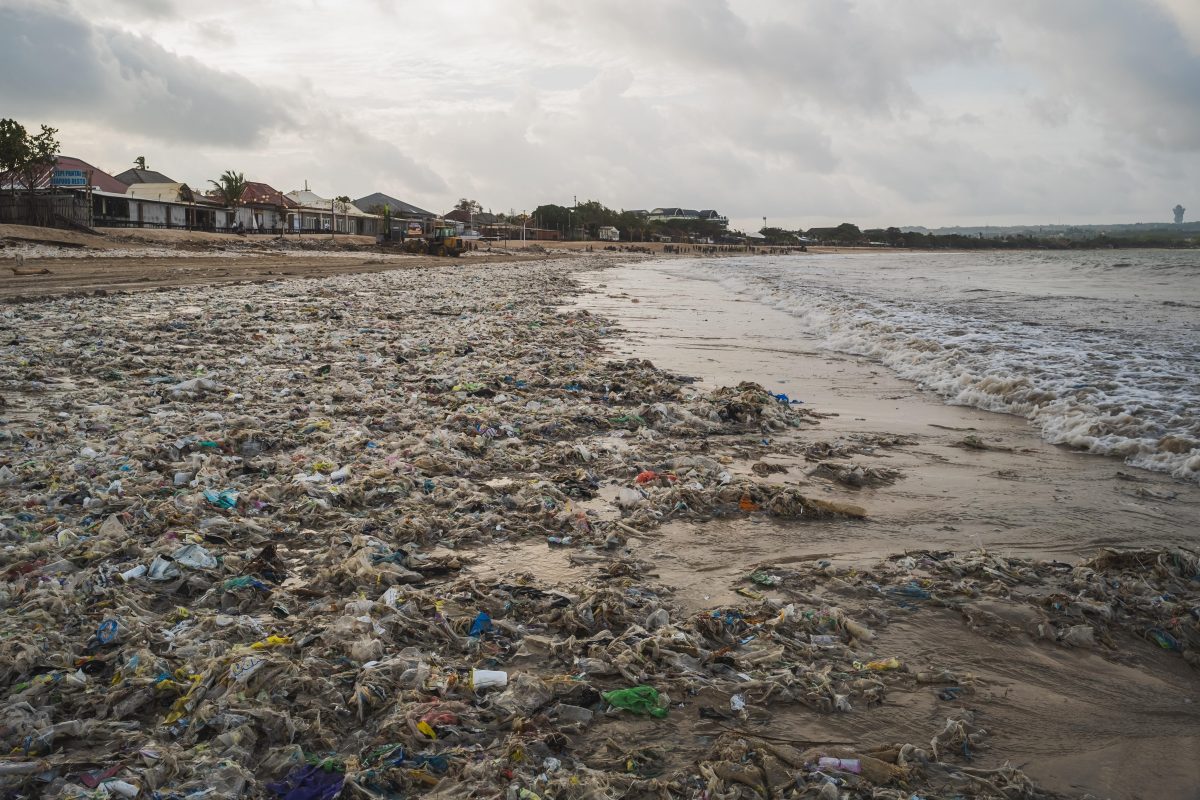
115,000 kg of plastic collected on a Bali beach... and a single swell to plunge back into the emergency
 ©picture alliance / NurPhoto | Muhammad Fauzy
In recent months, Bali's Kedonganan beach has become the symbol of an extraordinary environmental mobilization. Every week at dawn, hundreds of people gather on the sand at 7am to take part in clean-up operations. Not tourists looking for spectacular shots, but volunteers determined to protect the ocean and defend the island's ecosystem.
This surge of solidarity is driven by Sungai Watch, the environmental organization founded in 2020 by siblings Gary, Kelly and Sam Bencheghib, who grew up in Bali. Their idea is as simple as it is revolutionary: install booms in rivers to intercept waste before it reaches the sea.
Months of hard work
Thanks to the commitment of the volunteers and their team, Sungai Watch has succeeded in removing an impressive quantity of waste. On Kedonganan beach alone, over 115,000 kilos of plastic were collected in just three months. The results that have all the hallmarks of a victory. The beach gradually began to 'breathe' again, while the local community proved how cooperation can become a concrete force against pollution.
One storm surge changed everything
But nature, coupled with the structural problems associated with waste management, reminded us just how fragile this balance is. A heavy swell brought a new tide of plastic ashore, wiping out some of the great work accomplished over the previous months in a matter of hours.
All it took was a single series of more powerful waves to dump tons of waste onto the beach, carried by rivers and ocean currents. The scene brought the emergency back into focus. The Sungai Watch team, however, mobilized immediately. Volunteers and members of the organization returned to the beach to manage the environmental emergency, monitor the situation and organize new clean-up operations.
Their mission is not limited to waste collection. The aim is to change the system by blocking plastic before it reaches the ocean, thanks to dams installed in waterways and ongoing awareness-raising work. Kedonganan's story shows the extent to which the fight against pollution requires permanent commitment and collective collaboration. But it also shows something else: when a community decides to act, it can transform a beach into a global symbol of environmental resistance.
Marathon to save Indonesia's rivers
Faced with this situation, Sungai Watch isn't standing idly by. The organization has announced a major environmental marathon across Indonesia, an ambitious project designed to extend its activities along the country's most polluted rivers. The initiative plans to cover 25 kilometers a day for 57 days, with the aim of raising one million dollars to install new dams and reinforce clean-up operations. The project has been in the pipeline for over three years, but the team has decided to accelerate the timetable: pollution isn't slowing down and the response must be immediate. The countdown has already begun. March 28 will mark the start of this long race across Indonesia.
(©GreenMe.it 2026/Managing editor : Julie Morgan - The Press Junction/Picture : picture alliance / NurPhoto | Muhammad Fauzy)