
Politics
Environment
Trump wants to reopen fishing in ocean reserve: one of the Atlantic's most valuable ecosystems at risk
 ©picture alliance / Consolidated News Photos | Chris Kleponis - Pool via CNP
The Northeast Canyons and Seamounts Marine National Monument, a 12,725-square-kilometer area just over 200km southeast of Cape Cod in the United States, is home to corals and sea sponges, whale sharks and a wide variety of marine mammals. This is an extremely precious natural treasure that was declared a protected area in 2016 by then-President Barack Obama.
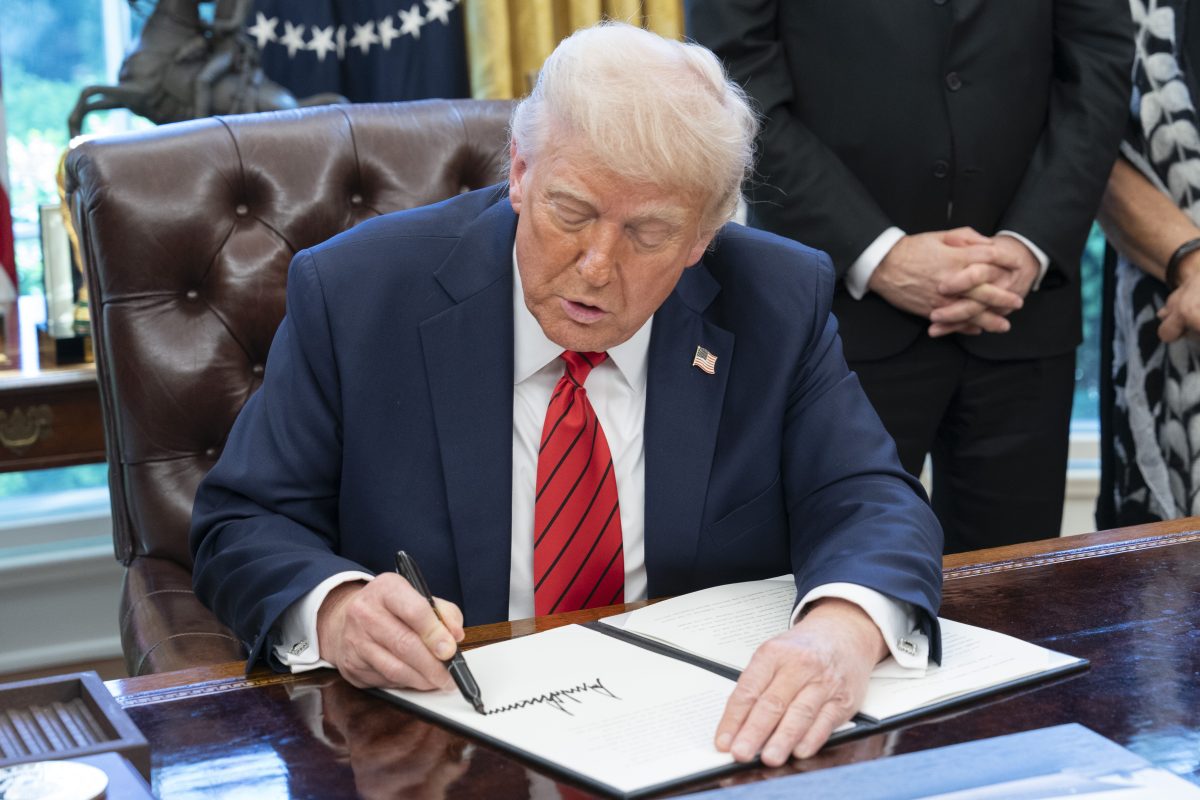
But Donald Trump is overturning it all. Indeed, in recent days, the president issued a notice to open that marine protected area to commercial fishing, in his latest attempt to roll back regulations on the country's waters and fisheries (Trump had already tried to lift the ban during his first term, but Joe Biden had reinstated it).
According to the tycoon, the reopening will not endanger marine species and will even help the fishing industry. But conservationists have sued him, arguing that the area is a crucial refuge for marine life.
This monument supports extraordinary species, from the sea bed to the sea surface, and with every aerial survey we see evidence of that, explained Jessica Redfern, deputy vice president of the New England Aquarium, a nonprofit based in Boston. Removing protections for the Northeast Canyons and Seamounts Marine National Monument puts these species at risk.
Indeed, it goes without saying that for many scientists and environmentalists, the decision once again raises crucial questions about preserving deep ecosystems, which are among the slowest to regenerate in the world. Overfishing remains one of the main threats to vulnerable ocean species, in addition to seawater warming and ocean acidification.
The reopening of the Northeast Canyons and Seamounts thus becomes the symbol of a broader divide: on the one hand, Trump's unrestrained push for economic development and regulatory rollback, on the other, the need to protect biodiversity and climate in a context of a global environmental crisis.
The US decision could have implications beyond the Atlantic. Indeed, marine protected areas policy is considered one of the key tools for achieving the international goals of protecting 30% of the oceans by 2030.
For this reason, the reopening of such an important ocean reserve to fisheries is not just a domestic issue: it's a political signal that will influence the global debate on marine resource use, biodiversity conservation and ecological transition.
(©GreenMe.it 2026/Managing Editor: Selma Keshkire - The Press Junction/Picture: ©picture alliance / Consolidated News Photos | Chris Kleponis - Pool via CNP)