
World
Society
Science
Weird & strange
Sport
Topical
“They’re looking for a substance that stays in your blood for only three hours”
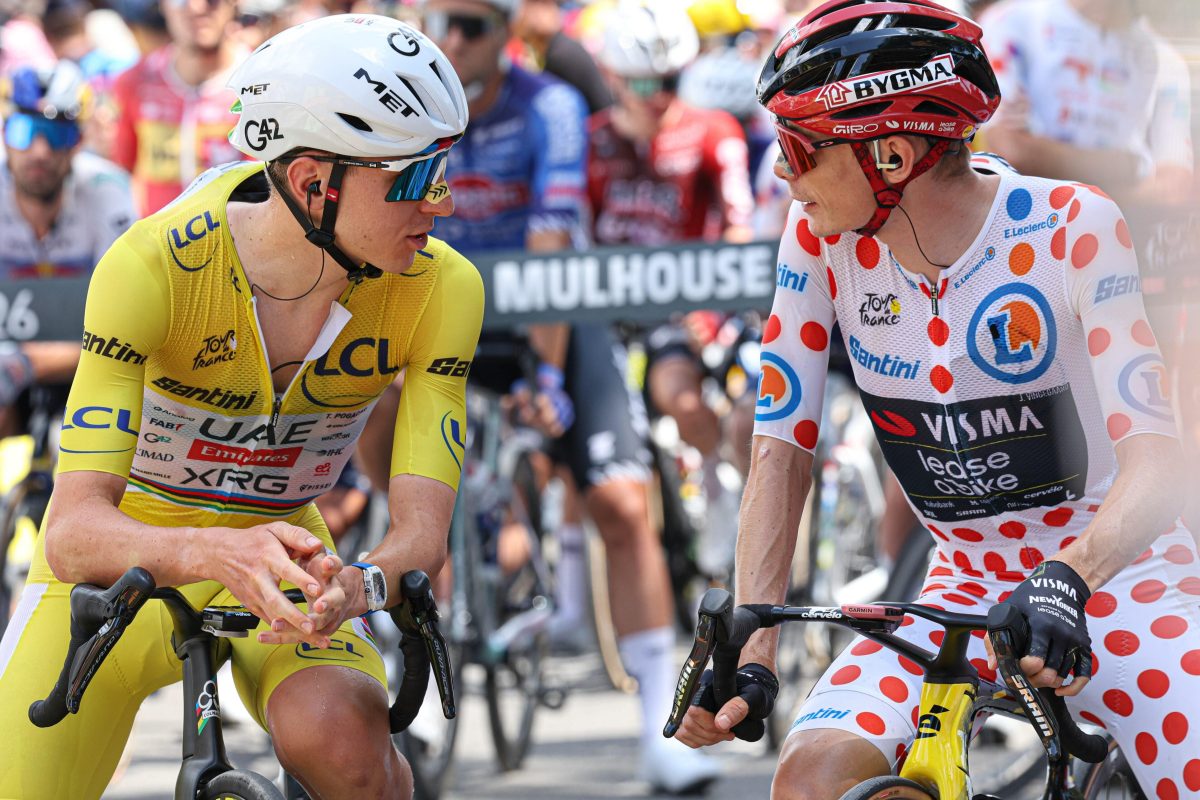 ©picture alliance / MAXPPP | Jean-François FREY
Belgian cyclist Oliver Naesen reacted bluntly onthe HLN Cycling Podcast to the nighttime doping tests conducted on Tadej Pogačar and Jonas Vingegaard. According to the Decathlon-CMA CGM rider, a teammate of Paul Seixas, such tests are aimed at detecting a substance that is detectable in the blood for only a very short time. “They’re looking for something that stays in your blood for only three hours,” Naesen said. He was referring to substances such as growth hormone.
Outrageous timing
Naesen understands the logic behind targeted testing, but finds the timing in particular to be completely out of proportion. “You can’t take that on the Plateau de Solaison, because why would you take it before a rest day? You have to test at a time when it matters, not at 11 p.m.,” he said. The rider calls testing at 2 a.m. “extreme” and believes there should be a limit to what an athlete has to endure.
Special authorization from a judge
The criticism came after Vingegaard was woken up at 2 a.m. on the night of July 19–20 for a test, followed by Pogačar at 5 a.m. The checks were conducted by the ITA, on behalf of the French anti-doping agency AFLD, and were made possible after a judge granted authorization. According to French regulations, nighttime tests may only be conducted under exceptional circumstances, including in cases of serious and consistent suspicions of doping and when there is a risk that evidence might disappear.
Remco Evenepoel also reacted strongly to the nighttime tests, calling them “scandalous.” Later, he himself also underwent a doping test late in the evening. According to him, doping tests are part of the sport, but not in the middle of the night. Teammate Tim Wellens noted that Pogačar couldn’t fall back asleep after the test, which underscores the impact on recovery and sleep.
Naesen also pointed out that the application of testing doesn’t always feel equitable. “The fact that [Paul Seixas] didn’t have to undergo a test—and neither did Remco—is, in a way, unfair,” he said . He also said that he himself had never experienced a nighttime test before, not even during the period when the Sky era was often associated with such scenarios. Meanwhile, other teams have also had testers come by their facilities.
Growth hormone microdosing?
Following the nighttime tests at Vingegaard and Pogačar’s teams, it now appears that teams such as Red Bull, Decathlon, and Visma were also targeted . Bruno Armirail reported after his time trial that several teams were tested overnight. The operation, which can only take place with a court order, reinforces the sense that something is going on behind the scenes in this Tour de France. The inspections are reportedly intended to detect possible microdosing of substances such as growth hormone. However, no positive tests or disqualifications have been reported so far.
©picture alliance / MAXPPP | Jean-François FREY