
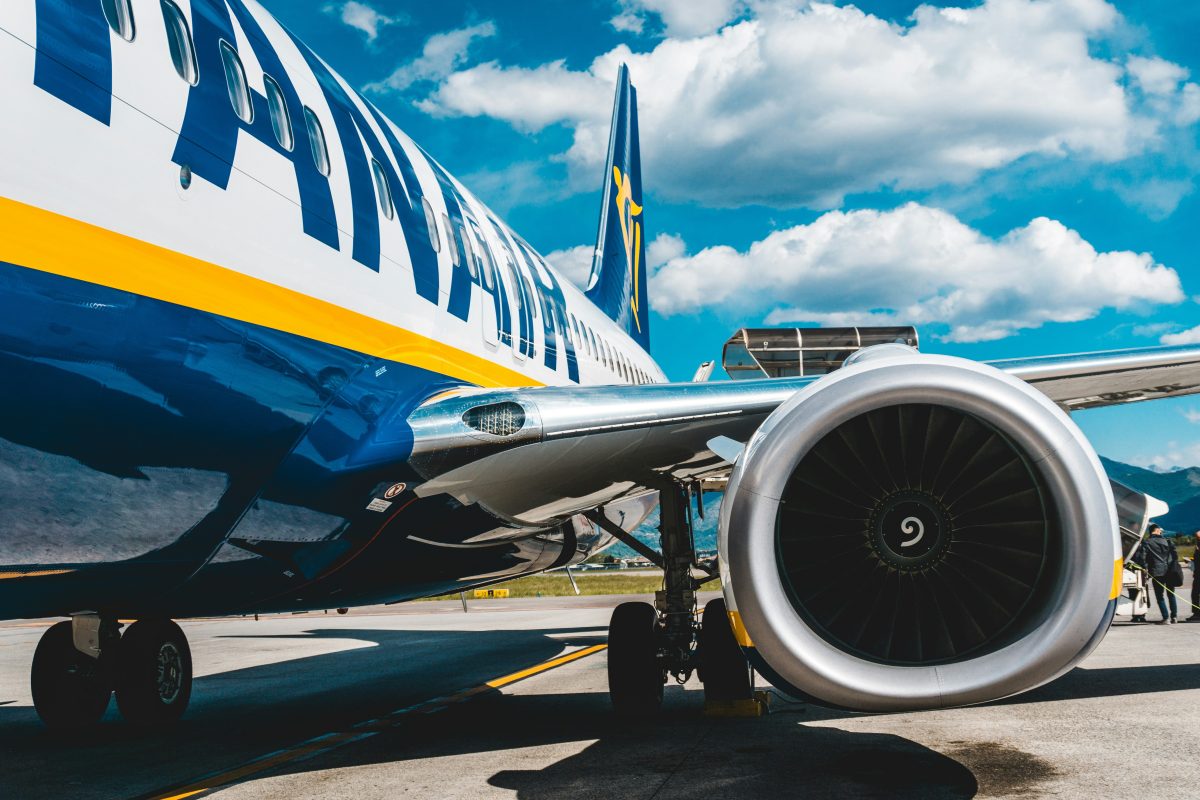
 © Lucas Davies via Unsplash
Low-cost airline Ryanair is taking action: five aircraft will leave their base in Charleroi, and 2 million seats in Belgium will be cut for the winter of 2026 and the summer of 2027. This is a direct response to the increase in the boarding tax approved by the federal government, which threatens the competitiveness of Belgian airports and raises fears of massive job losses.
Since July 2025, Belgium has harmonized and increased the boarding tax (TILEA): €10 for flights under 500km and €5 for flights over 500km. An initial proposal even called for raising this tax to €10 starting in 2027 for flights between 500 and 3,500km, but the government has partially reversed course and set the tax for this category at €7. For Ryanair, whose business model is based on very tight margins per passenger, this tax is “stupid” and makes certain bases and routes unprofitable.
Charleroi on the front lines
Brussels South Charleroi Airport (BSCA) is the main battleground in this economic war: Ryanair accounts for more than 80% of air traffic there. The airline has officially announced that five of the 18 or 19 aircraft stationed in Charleroi will be withdrawn, and that starting in the winter of 2026–2027, approximately 1 million seats will be cut, with the threat of another 1 million additional cancellations in 2027. About fifteen destinations could be eliminated, and reductions in flight frequencies are already noticeable on some European routes.
Severe economic and social consequences
The consequences extend far beyond the aviation sector alone. Charleroi Airport warns of the loss of approximately 1,100 direct and indirect jobs and an economic revenue shortfall of nearly 100 million euros for the country. Most of these jobs are located in Hainaut, with a significant impact on the municipalities near the airport and on the city of Charleroi itself. BSCA management fears that no other airline will step in to take over in the short term, which would result in a permanent loss of connectivity.
A tense political debate
The federal government defends the tax as a tool for climate policy and a source of budget revenue, while the Walloon Region, which is heavily dependent on Charleroi, has lobbied to limit the increase. Ryanair points to the competitiveness of neighboring countries that are reducing or eliminating such taxes to stimulate air travel and the economy. The result: fewer flights, potentially higher fares, and weakened Belgian connectivity—precisely at a time when tourism and the business community need affordable connections.
Photo: © Lucas Davies via Unsplash