
 ©Xianyu hao via Unsplash
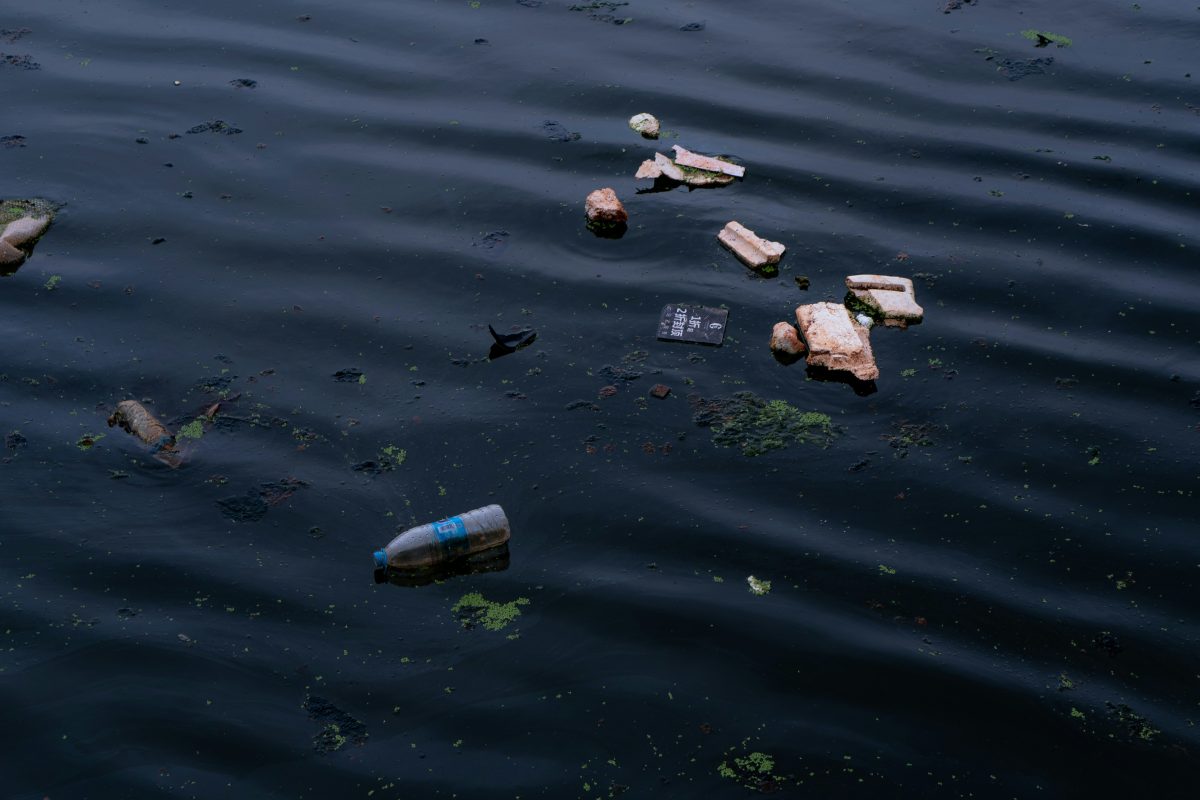
The seasonal rains drag tons of waste from illegal dumps to the Drina River, where the debris accumulates against the dam of a hydropower plant in Višegrad, eastern Bosnia. Here, excavators and construction vehicles work tirelessly every day to remove the mass of trash that chokes the watercourse every winter. But in reality, the scenario has unfortunately been known for years.
In fact, it's not a new phenomenon: as river flow increases during the cold season, the waste carried downstream almost always ends up piling up in the same place.
For the activists of the environmental group Eko Centar, the responsibility is clear: there is a lack of political will. Institutions keep meeting and promising solutions, but the images of the emergency repeat themselves year after year.
The scenes are reminiscent of a disaster movie: the emerald surface of the river is covered with plastic bottles, wood, furniture, rusty garbage cans, household appliances and even animal carcasses. Among the trash, one also finds sanitary waste.
A true ecological disaster, threatening an ecosystem rich in fish and potentially exposed to the release of toxins.
Where does the waste come from?
The waste comes from illegal dumps upstream, not only in Bosnia, but also in neighboring Serbia and Montenegro. In fact, numerous smaller tributaries flow into the Drina, each carrying its own share of the waste.
The Drina is also the source of the waste
During the summer, these rivers attract tourists, nature lovers and rafters. However, it's in winter, with floods, that the problem becomes bigger: the swollen water sweeps away illegal dumping found along its banks and channels everything toward Višegrad.
The water of the Drina is the source of the problem
In 2019, the environmental ministers of the three countries promised cooperation to solve the situation, but years later, no concrete results are visible. The emergency reflects the economic and ecological backwardness that still characterizes the area of the former Yugoslavia decades after the wars of the 1990s.
Pollution and the European future of the Balkans
River pollution is not the only environmental problem in the Western Balkans. Many cities in the region also have extremely high levels of smog, one of the most pressing problems to be addressed. Bosnia, Serbia and Montenegro want to join the European Union, but environmental protection is a condition for membership: without structural measures, the goal risks being pushed back.
According to activists, solutions exist: map illegal dumping sites, install cameras and barriers in the various municipalities to stop waste before it reaches the Drina. Today, however, recovered waste ends up in local landfills, where it slowly burns and emits toxic particles into the air - a 'vicious cycle' that continues to pollute the city.
(©GreenMe.it 2026/Managing Editor: Selma Keshkire - The Press Junction/Picture: ©picture alliance / Photoshot | -)