
Society
Environment
Science
Sharks drugged in the Bahamas: almost 30 specimens tested positive for cocaine, caffeine and drugs
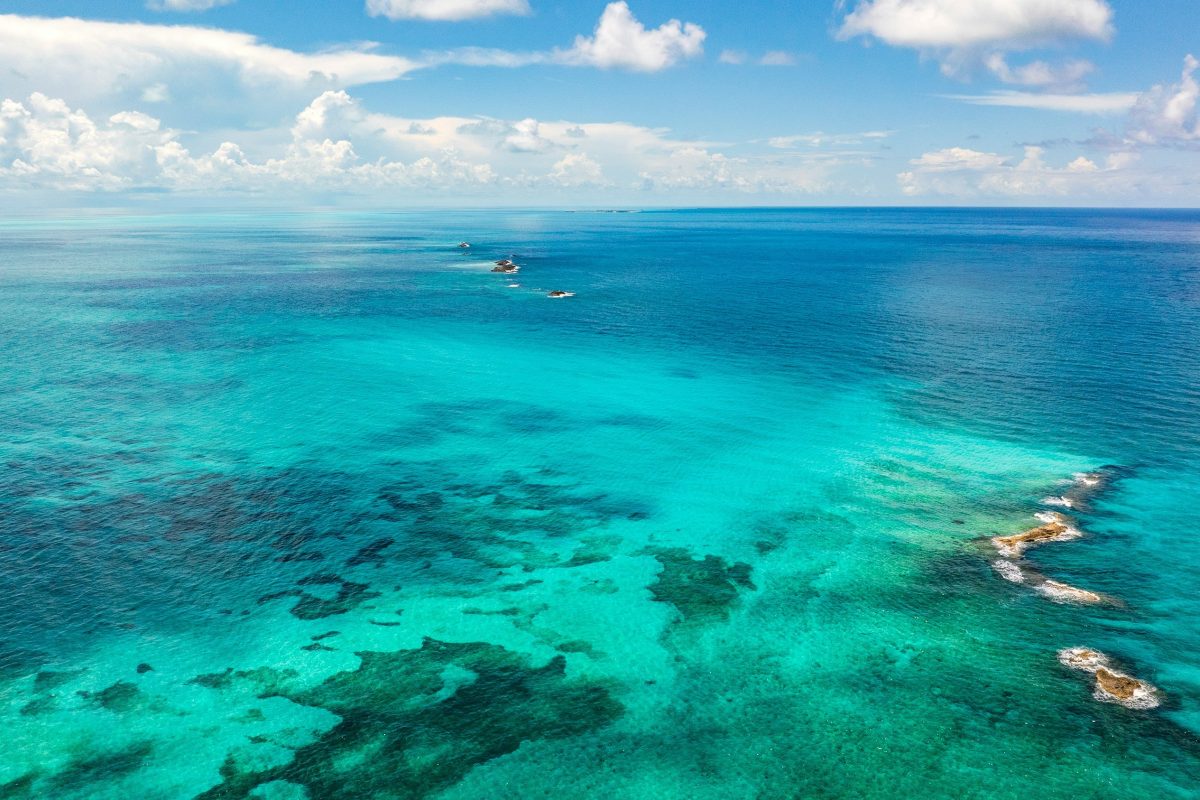 ©Ricky Beron via Unsplash
In the crystal-clear waters of the Bahamas, a natural paradise and symbol of biodiversity, a disturbing discovery has darkened the picture: traces of cocaine, caffeine and painkillers have been found in the blood of several wild sharks. The study, which was published in Environmental Pollution and coordinated by Brazilian biologist Natascha Wosnick, analyzed 85 specimens caught near the island of Eleuthera, revealing a phenomenon which has never before been documented on a global scale for these species.
This is not an unusual behavior on behalf of these animals, but the effect of marine contaminants resulting from human activities: Drug residues and chemical substances dispersed at sea or carried by currents end up being ingested by predators, with possible consequences for their health and the fragile equilibrium of ecosystems.
A cocktail of chemicals
The results show that no fewer than 28 sharks - including the nurse shark, the Caribbean reef shark and the lemon shark - have ingested ingested caffeine, diclofenac, paracetamol and, in one case, cocaine. Caffeine proved to be the most common substance ingested, followed by the other drugs, while the most striking episode involved the use of cocaine.The most striking episode involved a young lemon shark, which probably came into contact with drug residues via sachets abandoned at sea.
According to the researchers, sharks have a tendency to bite objects and can therefore absorb chemical compounds directly from the water. This invisible pollution, even at very low concentrations, can alter certain metabolic parameters, cause stress and influence behavior, with potential long-term effects on the marine food chain.
Human impact on marine ecosystems
Analyses clearly point to human responsibility. Urban discharges, sewage and the dispersal of medicines all contribute to the presence of chemical substances in seas that are reputed to be among the "cleanest". Even in seemingly pristine environments such as the Bahamas, man-made pollution is silently but significantly manifesting itself, endangering top predator species and local biodiversity.
The warning issued by scientists concerns not only sharks' health, but the entire marine equilibrium. Each contaminant, however small, can spread along the food chain, with possible cascading effects on other species and ecosystems. The message is clear: even the seas furthest from urban centers are not immune to the consequences of human activity.
A global warning signal
The Bahamas study thus becomes the symbol of a much broader phenomenon: the invisible diffusion of chemical substances in the world's seas. The presence of cocaine, caffeine and drugs in sharks is an indicator of the growing pressure exerted by humans on natural environments. The challenge now is to understand how to reduce these impacts and protect key predators and marine habitats in an increasingly interconnected and vulnerable world.
Source : Environmental Pollution
(©GreenMe.it 2026/Managing editor : Julie Morgan - The Press Junction/Picture : Ricky Beron via Unsplash)