
Environment
Patagonia burns relentlessly, more than 40,000 hectares of forest in flames: why does this disaster repeat itself every year?
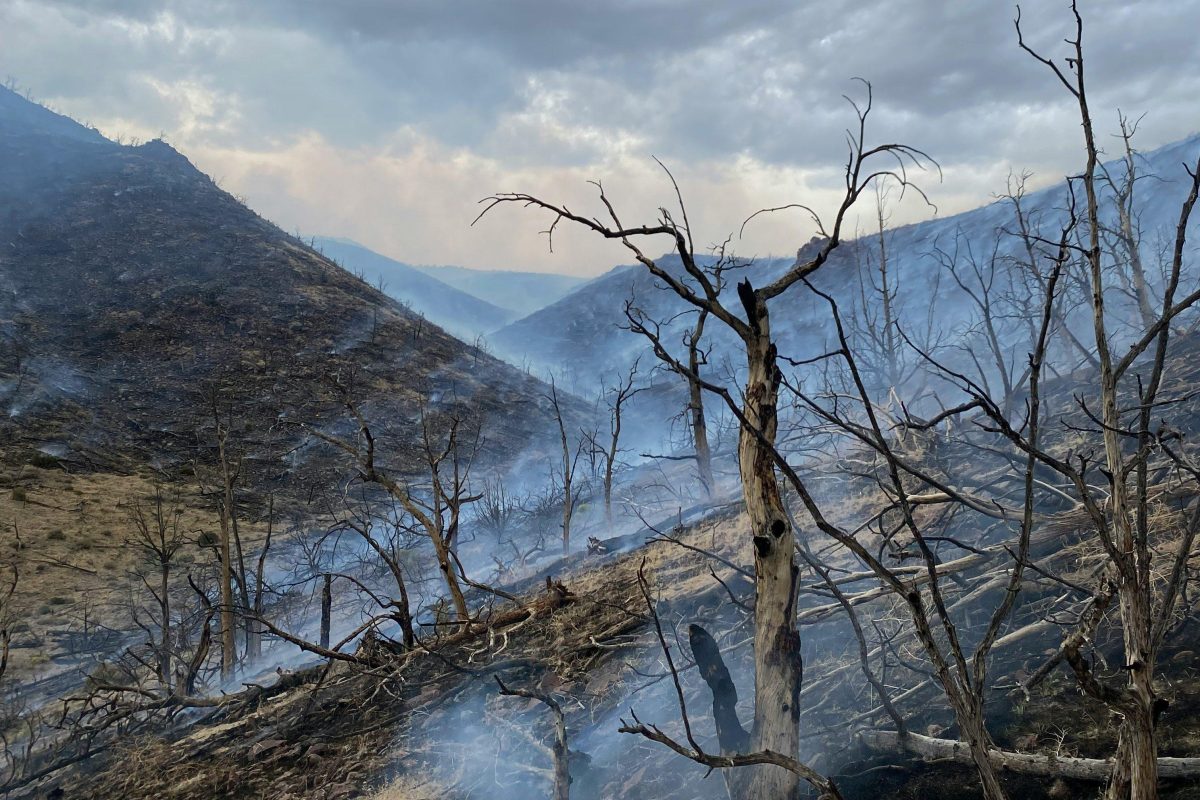
Patagonia is on fire along with endless heat waves, caused by high temperatures and the drought. All these factors make the areas drier and more vulnerable, increasing the risk of rapid and fierce wildfires.
So far, more than 40,000 hectares - an area almost twice the size of the city of Buenos Aires - have already gone up in flames in fires in northern Patagonia during their southern summer, with major flashpoints in the provinces of Neuquén, Río, La Pampa and Chubut.
Looking at what happened between November 15 and now, we are facing one of the toughest fire seasons, especially in northwestern Chubut, where thousands of hectares of natural ecosystems, homes and livelihoods have already been lost, explains biologist Javier Grosfeld, a researcher at the Institute for Biodiversity and Environmental Research (INIBIOMA) of the National University of Comahue.
In northern Patagonia alone, about 250 fires were recorded between 1999 and 2022, covering more than 10 hectares, according to a study published in 2025. In recent weeks, severe wildfires have left Chile's Biobío and Ñuble regions in mid-January in a 'disaster state': 23 dead, more than 1,000 homes destroyed and 52,000 people displaced. In Argentina, the Unesco National Parks of Los Alerces were hit in early January, with their ancient alerce trees that can live more than 3,000 years.
But why does all this happen? And why every year? Climate is not the only factor explaining the increasing size of the fires; it's mainly the result of decades of profound changes in ecosystems.
Monocultures
First, there has been a profound change in the native forest through the planting of exotic conifers - mainly Radiata pine, Douglas fir, ponderosa pine and Murraya pine. These industrial plantings of non-native pines have no ecological purpose, but serve for the production of wood and cellulose. Moreover, they are rich in resins, which only promote the spread of fire and constantly feed new fires.
Limited resources and understaffing
As Greenpeace explains, over the past two years, the Argentine government has drastically reduced funding for the Servicio Nacional de Manejo del Fuego, the body responsible for preventing and controlling fires: the budget for 2026 is 70% lower than in 2023. Moreover, fewer than 400 firefighters are currently working in the national parks, often on temporary contracts and insufficient salaries. Fewer resources, less prevention, slower response. And in many areas, it's the local communities that have to organize themselves independently to limit damage.
And then there's Mercosur....
The entry into force of the free trade treaty between the European Union and the Mercosur countries (Argentina, Brazil, Uruguay and Paraguay) could worsen the situation. In that case, South American exports could increase of products whose cultivation, production or extraction causes major damage to ecosystems.
In the absence of binding and effective environmental protection, the treaty risks fueling deforestation, industrial monocultures and intensive land use, further increasing pressure on already fragile ecosystems such as those of Patagonia.
(©GreenMe.it 2026/Managing Editor: Julie Morgan - The Press Junction/Picture: ©picture alliance/dpa/dpa-POOL | Peter Kneffel)