
World
Society
Science
Weird & strange
Sport
Topical
No one knows what to make of the late-night doping tests on Pogačar and Vingegaard
 ©picture alliance / MAXPPP | Jean-François FREY
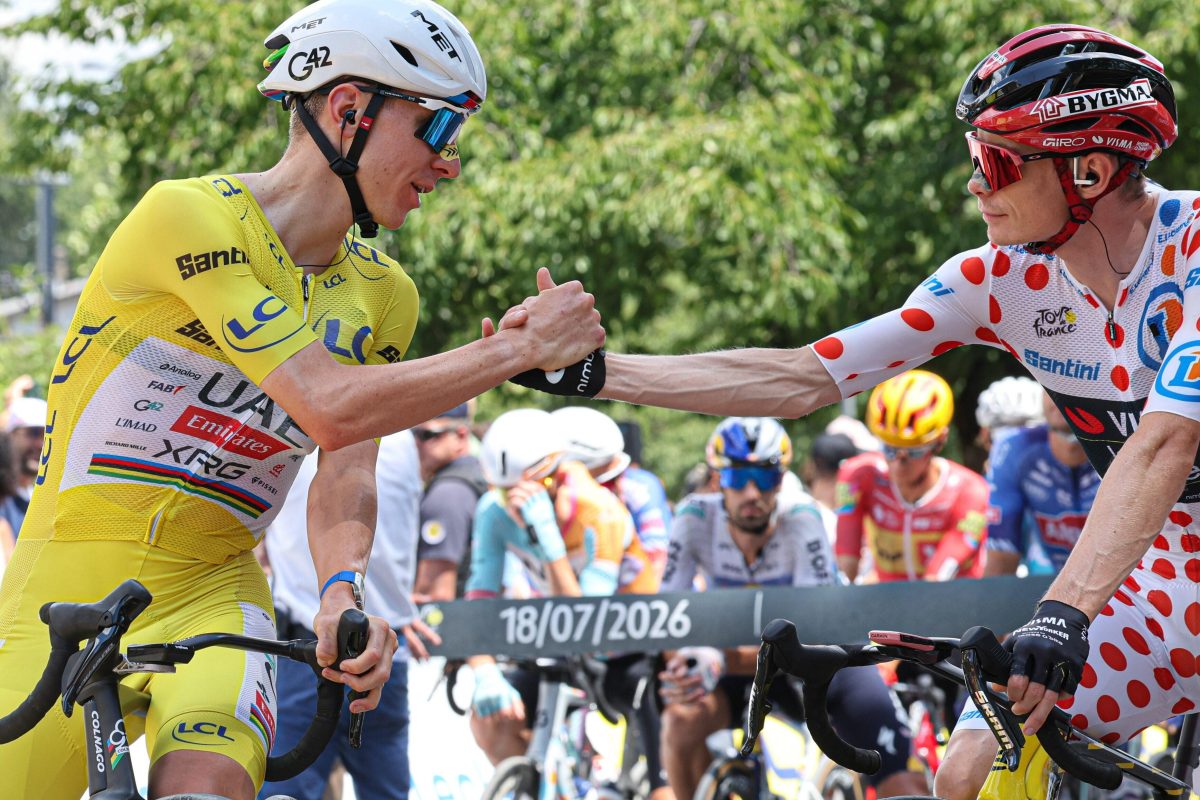
Uncertainty reigns regarding the overnight doping tests on Tadej Pogačar and Jonas Vingegaard, after the International Testing Agency (ITA) had the top cyclists hauled out of bed in the middle of the night—reportedly with the authorization of a French judge. A French prosecutor confirmed on Monday that a judge had approved a request from the ITA, an exceptional step that, according to the law, is permitted only in cases of “serious and consistent suspicions” and where there is a risk of evidence being lost.
The facts are simple: Vingegaard was tested at 2:00 a.m., Pogačar around 5:00 a.m., just before a grueling mountain stage in the Alps. At first, it was unclear whether this was simply a matter of national differences in regulations—France has exceptions—but the news that a judge had explicitly granted permission cast the case in a completely different light. After all, this raises questions. Were there concrete indications against the yellow jersey wearer and his rival, or is this part of a new, more aggressive testing policy against microdosing that authorities are trying to combat in the dead of night? The ITA states that nighttime testing may be necessary under limited, well-founded circumstances and that all actions complied with the anti-doping framework and French law, but did not disclose what information led to the request.
Riders and team managers reacted strongly. Remco Evenepoel called a 2:00 a.m. test “scandalous” and said he was used to sleeping through it; the peloton, too, expressed outrage over the disruption to rest and recovery just before a grueling stage. Pogačar himself spoke after the stage about a strange season and complained that the rules and timing of tests were increasingly deviating from what riders expected; he said he accepted that tests are necessary if they prove that riders are clean, but called the practice “a bit of a pain.”
Legally speaking, the ITA is within its rights for now. After all, French law permits nighttime tests in cases of serious suspicion and a risk of evidence being lost, and the prosecutor confirmed that such a request was submitted and approved. Whether that exceptional justification is valid remains unclear as long as the ITA does not disclose the underlying information. For now, the case has only served to fuel the debate over testing methods, riders’ rights, and the balance between law enforcement and athletic well-being—leaving many fans and insiders with unanswered questions.
©picture alliance / MAXPPP | Jean-François FREY