
World
Politics
Society
Weird & strange
Topical
Music education on the decline: conservatories enroll less Dutch students
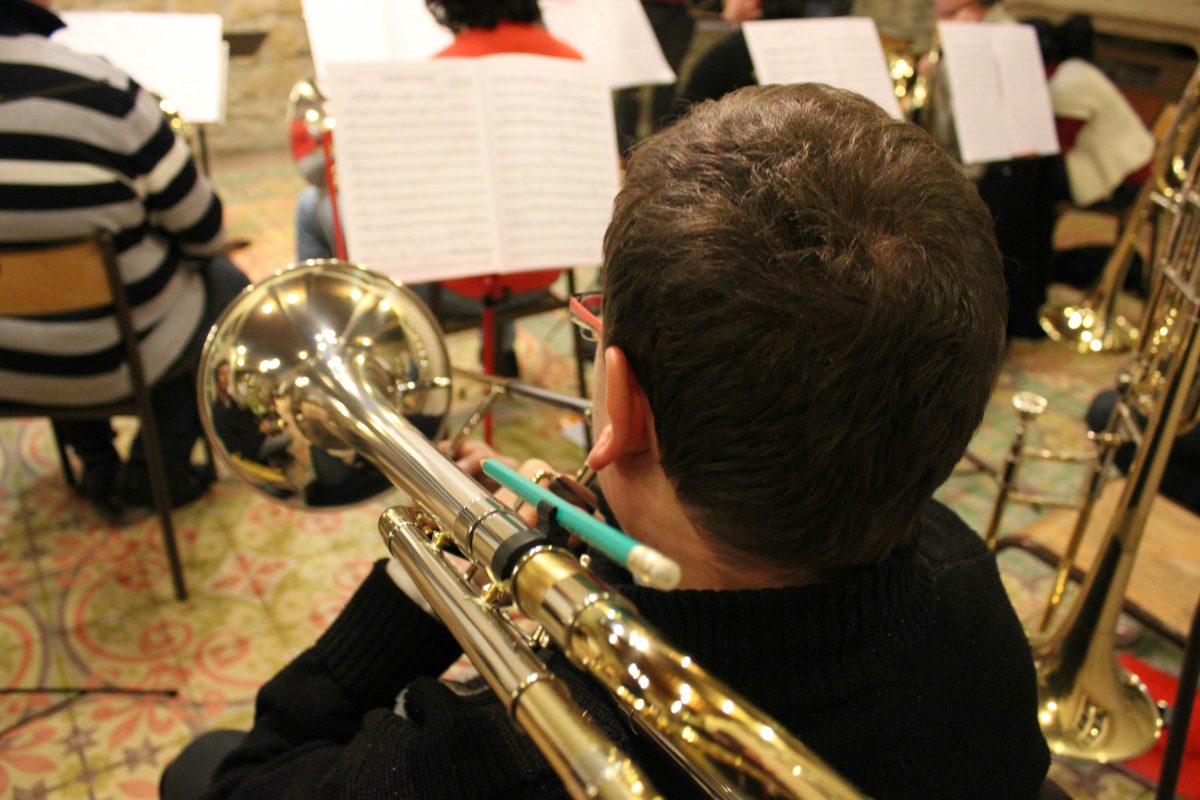 ©Pierre Goiffon via Unsplash
The proportion of Dutch students at conservatories has fallen sharply over the past twenty years. This year, only 22 percent of students are from the Netherlands, compared to 52 percent twenty years ago. This means that nearly eight out of ten students being trained as performing musicians in the Netherlands now come from abroad. This was reported by NOS.
According to experts, this decline is linked to the reduction of music education in the Netherlands. Jan van den Eijnden of the LKCA points out that many schools no longer offer structured music education and that extracurricular music lessons have become fragmented and often expensive. As a result, fewer children are exposed to music at an early age, which later affects enrollment at music schools, clubs, and conservatories.
The Council for Culture previously calculated that, since 2005, the cultural sector has lost more than 500 million euros annually compared to other sectors, resulting in the closure of music schools and arts centers. According to Van den Eijnden, this comes at the expense of talent development and progression to conservatory-level training. Professional conditions also make the sector less attractive: many music teachers work as self-employed freelancers and face income insecurity.
Björn Bus, artistic director of the World Music Competition in Kerkrade, also recognizes that the decline in music education is affecting the entire music scene. He notes that at the WMC, Dutch orchestras have been participating less frequently for years, and that not a single Dutch orchestra is represented in the youth division this year. According to him, fewer young people are joining music associations, causing orchestras to shrink and the talent pool from which conservatories can draw to become increasingly shallow. Bus points to the approach taken in other countries. In Portugal, every child receives free music education and is even loaned an instrument; in Belgium and Luxembourg, he says, music education is much more accessible and better integrated into the educational system. As a result, there are more orchestras there and the level of performance is higher, he says. Both Van den Eijnden and Bus see the government as a key player. In their view, more affordable music lessons in elementary school could restore enrollment in the long term. But even if action is taken now, Bus says it will still take years before that effect is noticeable in orchestras and conservatories.
©Pierre Goiffon via Unsplash