
World
Politics
Economy
Environment
Over 200 dead in coltan mine collapse in Congo: this is the hidden price of our smartphones
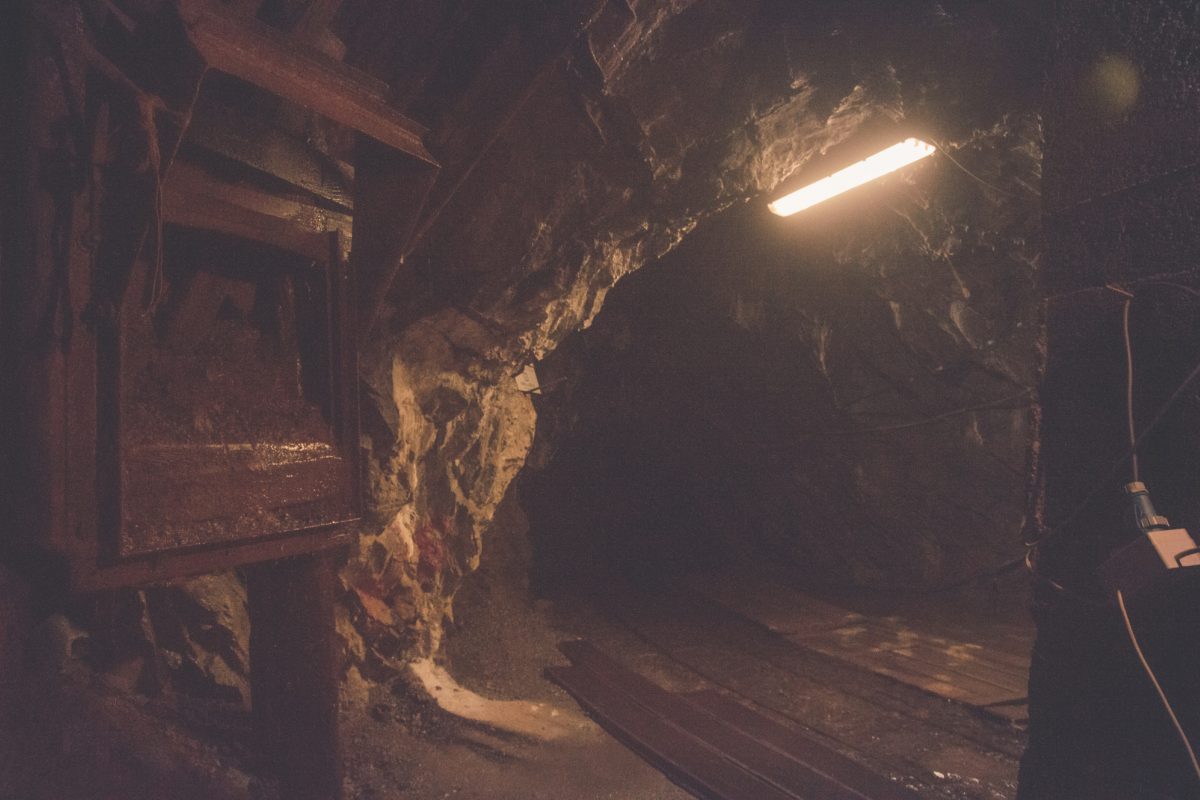 ©Luca Maffeis via Unsplash
The collapse of a coltan mine, the second in just a few months, in the eastern Democratic Republic of Congo is not just another news story from a country ravaged by war and misery: it's a deep wound that cuts across entire communities and - whether we like it or not - affects our lifestyles, too. More than 200 people were killed in Rubaya, in the North Kivu province, after a mine unexpectedly collapsed following heavy rains that had made the soil even more unstable.
Information trickled in slowly and bit by bit as so often happens in an area ravaged by armed conflict and currently under the control of M23 rebels. According to local rebel authorities, from the start, it was difficult to accurately determine the death toll.
Many bodies remained buried under the earth; others went unidentified for days. It's estimated that about 20 survivors are hospitalized, while dozens of families are still waiting for answers.
Local sources and a former supervisor of the mine, interviewed by the BBC, speak of a poorly maintained site, with no controls and no safety standards. The naturally brittle soil had been made even more dangerous by erosion and rain. Under these circumstances, the collapse was not an unpredictable accident, but a known and ignored risk.
The Congolese authorities point an accusing finger at the rebels, accusing them of knowingly endangering the lives of civilians by allowing illegal mining. The government in Kinshasa had already officially banned mining activities in the area last year, but when the ban went into effect, the mines were already in the hands of the M23.
Regardless, this is not an isolated incident: similar collapses have been occurring in the DRC for years, including in areas formally under government control. This is a structural problem, linked to poverty, instability, lack of rights and a global chain that continues to turn a blind eye.
Among the victims are women, children and small-scale miners, people not employed by a company, working without contracts, without protection and without alternatives. They descend every day into hand-dug shafts to extract coltan, often accompanied by their children, because child labor in these areas is one of the most tragic forms of injustice that has been normalized.
The coltan that fuels our prosperity
Rubaya is no random place: the mines in Rubaya supply about 15% of the world's coltan supply and half of the DRC's reserves. Coltan contains tantalum, an essential metal for the production of high-performance capacitors used in smartphones, computers, cars and household appliances. In other words, some of the technology we use every day originates right there, in the hills of Rubaya, which dug open with bare hands.
According to the United Nations, since 2024, the M23 has controlled the mines and levied taxes on mining activities to finance its operations. The Congolese government openly accuses Rwanda of supporting the rebel group and profiting from the plunder of natural resources. Kigali has always denied this, but UN experts say there is evidence that Congolese minerals are being smuggled through Rwanda to international markets.
In the statement distributed after the collapse, the DRC government speaks of a "structured system of plunder and illegal exploitation of natural resources," part of an illegal supply chain on an industrial scale. Heavy words, denouncing political, economic and international responsibilities.
What happened in Rubaya cannot be dismissed as just another accident: behind every electronic device is a story, and too often that story is about sacrificed lives, denied rights and impoverished communities. To report on these events means giving a face and a voice to those who would otherwise remain invisible beneath the rubble of a mine and beneath the silence of the world.
(©GreenMe.it 2026/Managing Editor: Selma Keshkire - The Press Junction/Picture: ©Matthew Ansley via Unsplash)