
Environment
The 'most destructive migratory plague': locust swarms from Africa to the Canary Islands
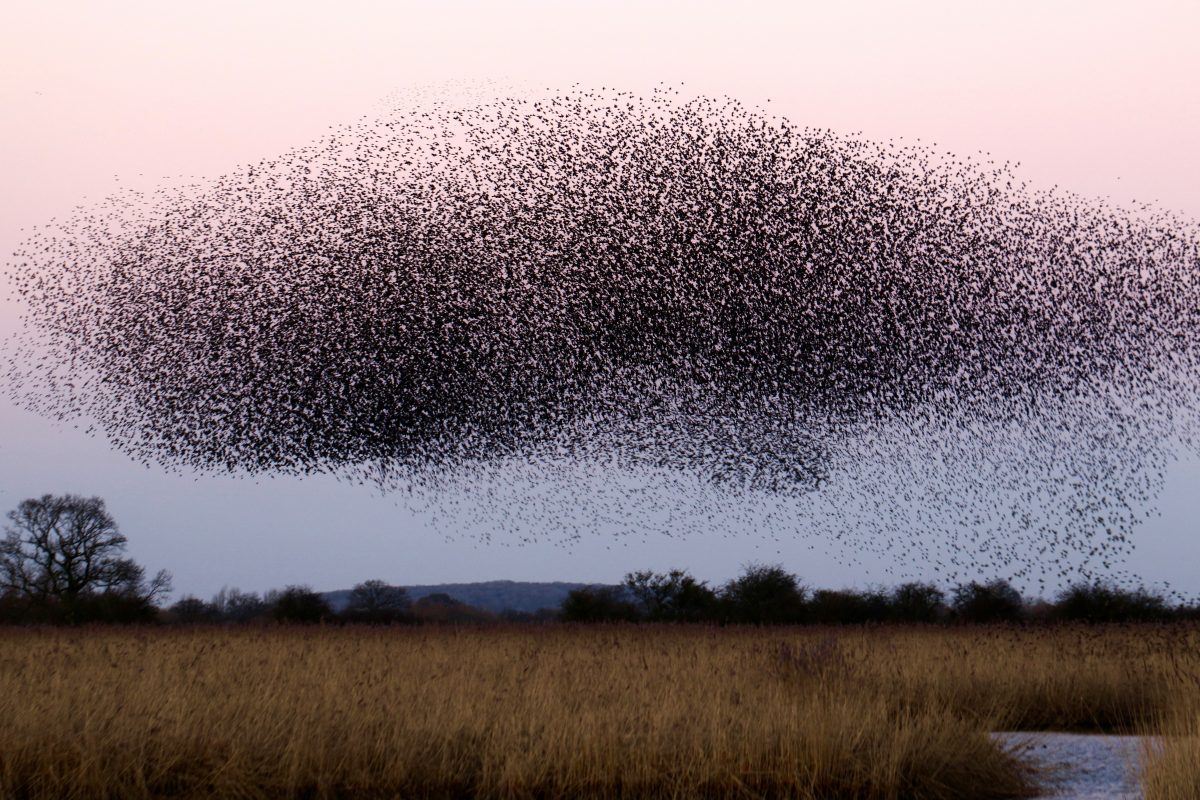 ©James Wainscoat via Unsplash
Dark skies, insects everywhere, tourists in disbelief. At the end of February, videos and photos from the Canary Islands showed swarms of locusts carried by the calima - the hot wind laden with Saharan sand - as far as Lanzarote, Tenerife, Gran Canaria and Fuerteventura. The images made the rounds on social media networks, recalling scenes of a 'biblical plague'.
In 1958, a plague of locusts devastated tomato and potato crops in the south of Tenerife, following another serious infestation just a few years earlier.
From the Canaries to the Sahara: a far-reaching phenomenon
Behind this latest Spanish episode lies a regional dynamic involving the whole of north-west Africa. The Food and Agriculture Organization of the United Nations (FAO) has reported major movements of Schistocerca gregaria between Mauritania, Western Sahara and Morocco, encouraged by exceptionally abundant winter rains.
When rainfall transforms arid areas of the Sahara and Sahel into ephemeral green expanses, locusts find ideal conditions for feeding and breeding. In just a few weeks, the population can increase twenty-fold. It's at this stage that the insects switch from solitary to gregarious behavior, forming dense swarms capable of traveling up to 150 kilometers a day.
The FAO defines the desert locust as "the world's most destructive migratory pest": a swarm of one square kilometer can contain up to 80 million individuals and consume, in one day, the equivalent of the food consumed by nearly 35,000 people.
Agriculture under threat
In the Canary Islands, locusts do not represent a direct danger to the population, but they could hit vineyards and horticultural crops hard if they were to reproduce. This is why the government of Lanzarote is maintaining a state of alert, while ruling out a large-scale infestation for the time being.
The real concern is for the already fragile areas of West Africa. The great crisis of 2019-2021 in the Horn of Africa and the Arabian Peninsula has shown just how quickly the situation can degenerate: according to the FAO, only coordinated interventions on more than 2 million hectares in 10 countries have prevented an even more serious food disaster.
It goes without saying that extreme weather events - intense rains, cyclones, wind variations - are the main triggers for locust invasions. Scientists point out that increasing climate variability can amplify these cycles, creating favorable conditions for breeding in normally arid areas.
For the time being, the situation in the Canary Islands remains under control. But images from tourist towns are a powerful reminder: when the climate changes, so do biological balances. And what appears to be a spectacular episode can become, elsewhere, a very real threat to food security.
(©GreenMe.it 2026/Managing editor: Julie Morgan - The Press Junction/Picture: James Wainscoat via Unsplash)