
 ©Unsplash
Ambulances arriving with sirens blaring, volunteers sifting through the rubble, bodies lined up in front of a destroyed hospital. In Kabul, an air raid hit a treatment center for drug addicts, killing hundreds.
An attack that marks one of the most dramatic days in recent years, and brings Afghanistan back into a spiral that we thought was, at least in part, behind us.
According to local authorities, the bombs were dropped by Pakistan. Islamabad rejects accusations of hitting civilians, claiming instead to have targeted armed group bases. On the ground, however, the figures remain implacable: at least 400 dead (100 according to the BBC) and 200 wounded, the vast majority of whom were in health care facilities.
In recent months, and even more so in recent weeks, Pakistani air raids on Afghan territory have intensified. Explosions have affected not only Kabul, but also provinces such as Nangarhar, Paktika and Kandahar.
The Taliban government's response was swift: ground operations along the border, drone attacks and claims to have taken military positions. Both sides speak of 'reprisals', in a game of cross-accusations that makes it difficult to identify a clear starting point.
At the heart of the confrontation is the Tehrik-e Taliban Pakistan (TTP), an armed group responsible for numerous attacks on Pakistani soil. Islamabad accuses Kabul of offering refuge to its fighters and tolerating their activities.
The Taliban government denies this, but the links between the two movements are well known: they share ideological roots, family relations and a common history of armed struggle. For the Afghan Taliban, hitting the TTP hard would mean risking internal fractures in an already fragile balance.
Meanwhile, the attacks continue. These include a suicide attack on a mosque in Pakistan which claimed dozens of victims and which the Islamabad authorities attribute precisely to the TTP, despite other claims.
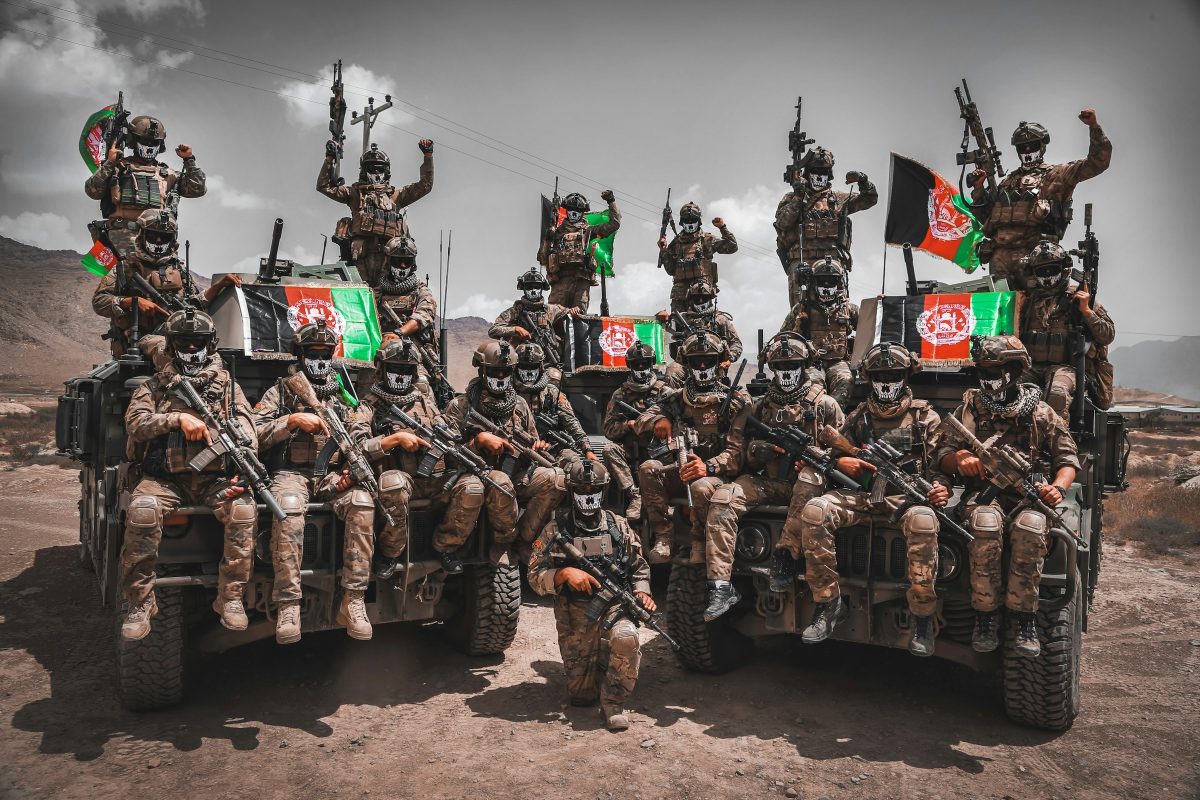
In military terms, Pakistan has a clear superiority in terms of airpower, technology and advanced operational capabilities. Afghanistan, on the other hand, relies on other strategies inherited from years of conflict: guerrilla warfare, mobility and the growing use of drones.
The latter are changing the face of confrontation. Inexpensive and difficult to intercept, they enable targeted attacks to be carried out without the need for a large military apparatus, making the conflict more unpredictable.
The escalation does not only concern the two countries. In the region, wider interests intersect: the presence of groups such as EI-K and al-Qaeda, US concerns about terrorism, the role of China, increasingly active in the diplomatic and security arena.
An open conflict could loosen the stranglehold on these armed groups, giving them room to reorganize. At the same time, it could further destabilize an area already marked by multiple crises.
Once again, civilians are paying the heaviest price. In Afghanistan, where poverty and hunger are endemic, the resumption of bombing also means the end of a fragile lull: after decades of war, many families had ceased to fear air attacks.
The economy is also suffering from this tension. Trade between the two countries has been at a standstill for months, with direct repercussions on the availability of essential goods, including medicines.
(©GreenMe.it 2026 / Managing Editor: Selma Keshkire - The Press Junction / Picture: ©Unsplash)