
World
Sport
Olympic Games 2026: Mongolia and Haiti have already won the games with their beautiful uniforms
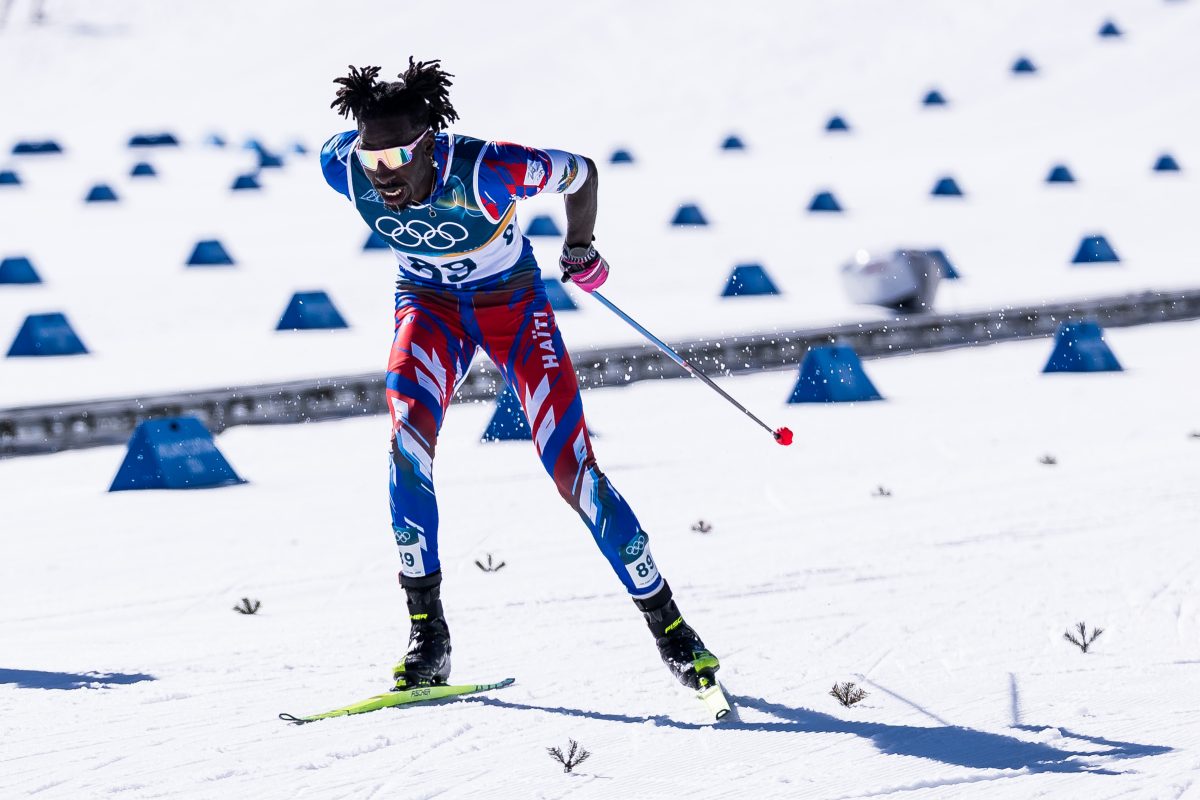 ©picture alliance / BEAUTIFUL SPORTS | Steffie Wunderl
At the Milan-Cortina 2026 Olympic Winter Games, outfits are more than just technical uniforms. From the opening ceremony onwards, the clothing worn by the delegations becomes a powerful storytelling tool, capable of conveying national identities, collective histories and cultural memories on a global stage.
In a context that combines sport, visibility on social media networks and Milan's central role as a fashion capital, each piece is designed to be seen, shared and remembered.
Mongolia: the pride of the reinterpreted deel
Among the most famous cases is that of the Mongolian team (which had already amazed the public at the Paris Summer Olympics), which went viral even before the Games began. The official uniforms were designed by luxury brand Goyol Cashmere, which reinterpreted the deel, a traditional garment of nomadic peoples, in a contemporary way. Wrap-around lines, high collars, crossed front fastenings and gold embroidery interact with high-quality materials such as Mongolian cashmere, renowned for its lightness and resistance to extreme cold.
The project was inspired by the outfits of the Great Mongol Empire between the 13th and 15th centuries, a strong historical reference that was also met with national approval. The message that accompanies the collection, "What we carry through winter, we carry to the world", perfectly sums up the spirit of the project: what enabled a people to survive the harshest winters is transformed into a symbol proudly worn around the world.
Haiti: two athletes, a huge visual impact
If Mongolia stands out for its grandeur and historical continuity, Haiti impresses with its symbolic power. Although the delegation consisted of just two athletes, Richi Viano and Stevenson Savart, their uniforms caught the world's attention. Designed by Italian-Haitian designer Stella Jean and made in Italy, the outfits are hand-painted and inspired by the visionary art of Édouard Duval-Carrié.
The garments originally depicted Toussaint Louverture, a central figure in the Haitian Revolution. To comply with IOC rules (Committee) on political symbols, the image has been reworked: in its place now stands a tropical forest, while the red horse remains, with the word 'Haiti' silhouetted against the sky. The feminine look is completed by gold earrings and the tignon, a traditional head scarf steeped in history. In an age dominated by images and sharing, even a uniform can become a powerful and viral act of identity.
(©GreenMe.it 2026/Managing editor: Selma Keshkire - The Press Junction/Picture: picture alliance / BEAUTIFUL SPORTS | Steffie Wunderl)