
World
Politics
Society
Economy
Environment
Mobility
Israel bombs the world's largest natural gas field in Iran: what are the consequences?
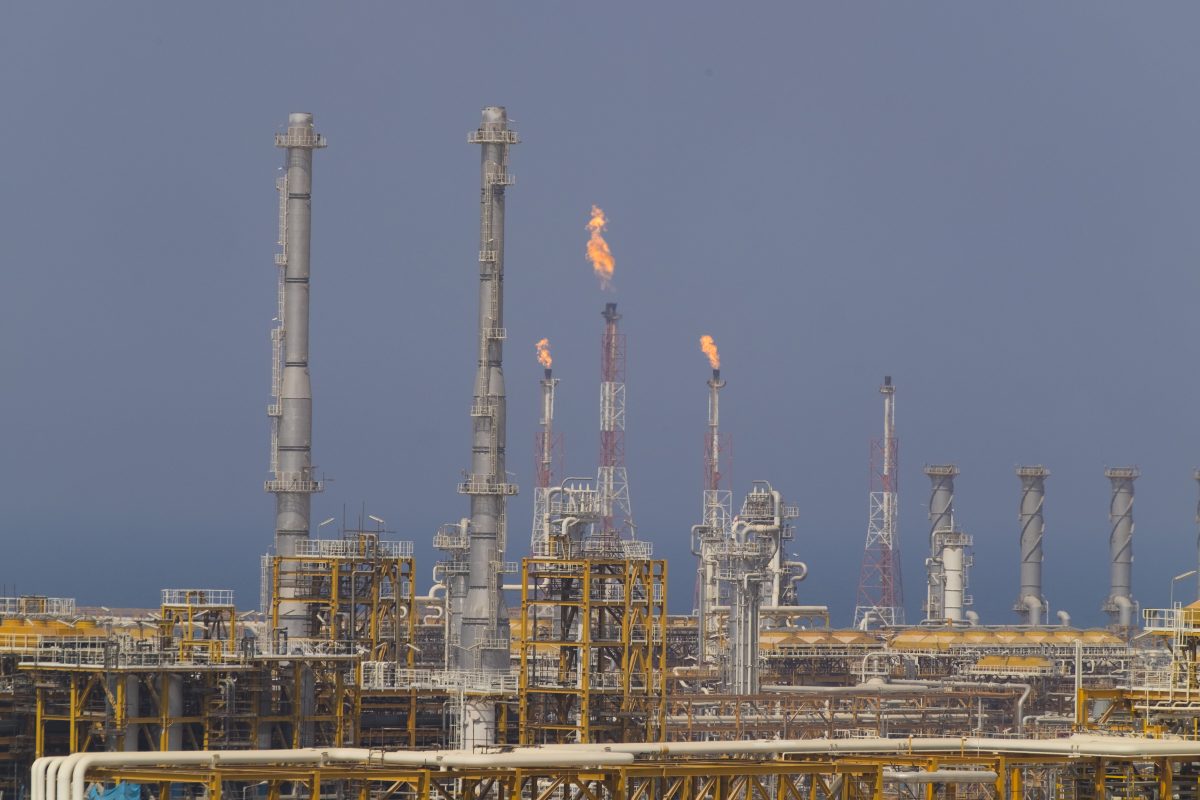 ©picture alliance / NurPhoto | Morteza Nikoubazl
The name is known by few people outside the energy sector, but Iran's offshore South Pars gas field has become the focus of a global crisis in a matter of hours. The Israeli attack on Wednesday, March 18, on parts of its infrastructure marks a new stage in the Middle East conflict: for the first time, one of the pillars of global energy supply is directly affected.
South Pars is a real, physical hub upon which a significant portion of global natural gas production depends. And when an infrastructure of this magnitude is hit, the consequences extend far beyond the region's borders.
A shared gas field that carries the global balance
South Pars extends into the Persian Gulf and is shared by Iran and Qatar, which calls its portion North Dome. It's considered the world's largest natural gas field, with reserves that could affect the global market for years to come.
For Tehran, it's the main domestic energy source: it feeds power plants and provides domestic heating. For Doha, it's the basis of an industrial system that makes it one of the world's largest exporters of liquefied natural gas (LNG), destined mainly for Europe and Asia. Hitting this gas field means intervening on one of the main arteries of global energy supply.
The Iranian response and the domino effect
The Israeli attack was followed almost immediately by a counter-reaction. Iran attacked several energy infrastructures in the region, including the major hub Ras Laffan in Qatar, where gas from the North Dome is processed. Installations in Saudi Arabia were also hit. The result is a chain reaction: facilities running at a reduced pace, industrial damage, operational interruptions. At the same time, the de facto closure of the Strait of Hormuz - a crucial passage for oil and gas transportation - is preventing deliveries from reaching markets on time.
Rising prices and markets under pressure
The consequences were not delayed: oil and natural gas prices rose sharply, with noticeable increases also in Europe. When energy infrastructures are targeted, the entire system becomes disrupted. Analysts warn of potentially prolonged interruptions in the supply of LNG, with effects that could last for weeks or even months. This is a serious problem for countries dependent on imports, especially after the energy crisis of recent years.
Energy in the crosshairs of war
The most worrisome element is the change in strategy. Energy infrastructures have become direct military targets. Hitting them means undermining a country's economy, and thus the daily lives of its citizens. The increasingly strident statements by the United States, threatening to reattack South Pars if Iran escalates further, also fit into this framework. A spiral of tension that feeds uncertainty and makes the system even more fragile.
A lesson for Europe also
What happens in the Gulf does not stay in the Gulf. Europe, which increasingly imports liquefied natural gas, is directly exposed to shocks in the Middle East region. Any disruption translates into higher energy bills and more instability. The South Pars crisis exposes an often underestimated problem: dependence on a small number of major fossil hubs makes the system vulnerable. And it accelerates, at least on paper, the need to diversify and invest in renewable sources. Because once energy itself becomes a target, it turns into an issue of global security.
(©GreenMe.it 2026 / Managing Editor: Selma Keshkire - The Press Junction / Picture: ©Miguel Bruna via Unsplash)