
 ©Parker Burchfield via Unsplash
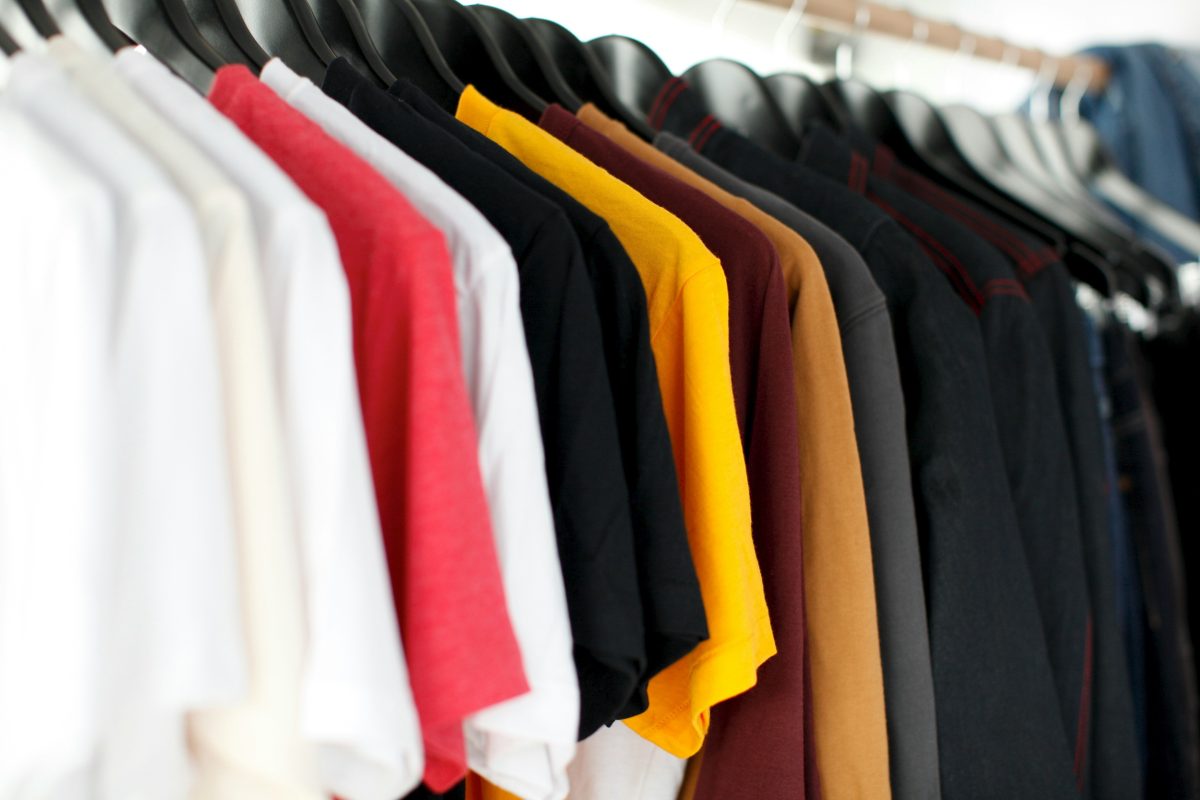
Every year in the European Union, millions of new garments are destroyed without ever having been worn. An absurdity that costs the planet about 5.6 million tons of carbon emissions a year - an amount comparable to Sweden's entire carbon footprint. But now, Brussels has finally decided to stop this practice with clear and binding rules.
The problem of unsold clothing
According to European Commission estimates, between 4 and 9% of unsold textile products are destroyed before they even reach consumers. Behind every garment destroyed, however, water, energy, raw materials and labor are also lost. So it's not just about clothes, but also about natural resources that are consumed for nothing, at a time when climate crisis calls for a radical change of course.
The phenomenon is related both to the overproduction characteristic of fast fashion and to the explosive growth of e-commerce. In Germany, for example, nearly 20 million items returned by online customers every year are destroyed rather than resold. In France, 630 million euros worth of unsold products end up in the trash every year.
The new rules
With the adoption of delegated and implementing acts to the Regulation on Ecodesign for Sustainable Products (ESPR), the European Commission has introduced concrete measures to turn the tide. As from July 19, 2026, large fashion brands operating in the EU will no longer be allowed to destroy unsold clothes, accessories and shoes at will. Medium-sized companies will be given until 2030 to adapt.
Destruction will only be allowed in exceptional, well-reasoned cases: damaged products, safety reasons or other specific situations that will be monitored by national authorities. In all other cases, companies must seek sustainable alternatives.
In addition to the ban, there will be a transparency obligation. Large companies will be obliged to disclose the quantities of unsold consumer goods they dispose of; for medium-sized companies, this obligation will also take effect from 2030. The Commission has introduced a standardized format to facilitate this reporting, which will take effect in February 2027.
The purpose of the new regulation is twofold: first, to identify the actual extent of the phenomenon, and second, to encourage companies to revise their production and distribution models.
Towards a circular textile industry
The new rules encourage companies to manage their stocks more efficiently and to explore alternatives to destruction: resale, refurbishing, donation, reuse. This is a change in mentality that rewards companies that truly invest in sustainability and ensures fairer competitive conditions on the market.
The textile sector is leading the transition to sustainability, but challenges remain. Waste figures show that action is needed, said Jessika Roswall, European Commissioner for the Environment. These new measures will strengthen the textile sector to move closer to sustainable and circular practices, and can increase our competitiveness as well as reduce our dependencies.
The ESPR aims to make products on the European market more sustainable, reusable and recyclable, while increasing the efficiency and circularity of the entire system.
Of course, these rules will not solve all of the fashion industry's problems in one go, but they do send an important political message. The era of legalized waste is coming to an end. Companies that continue to overproduce will have to take responsibility for dealing with what they do not sell in a sustainable way, without passing on the environmental costs to society.
(©GreenMe.it 2026/Managing Editor: Selma Keshkire - The Press Junction/Picture: ©picture alliance/dpa/dpa-POOL | Peter Kneffel)