
World
Society
Environment
Weird & strange
Topical
Already 1 death and 3 infections caused by Vibrio bacteria on German Baltic Sea coast
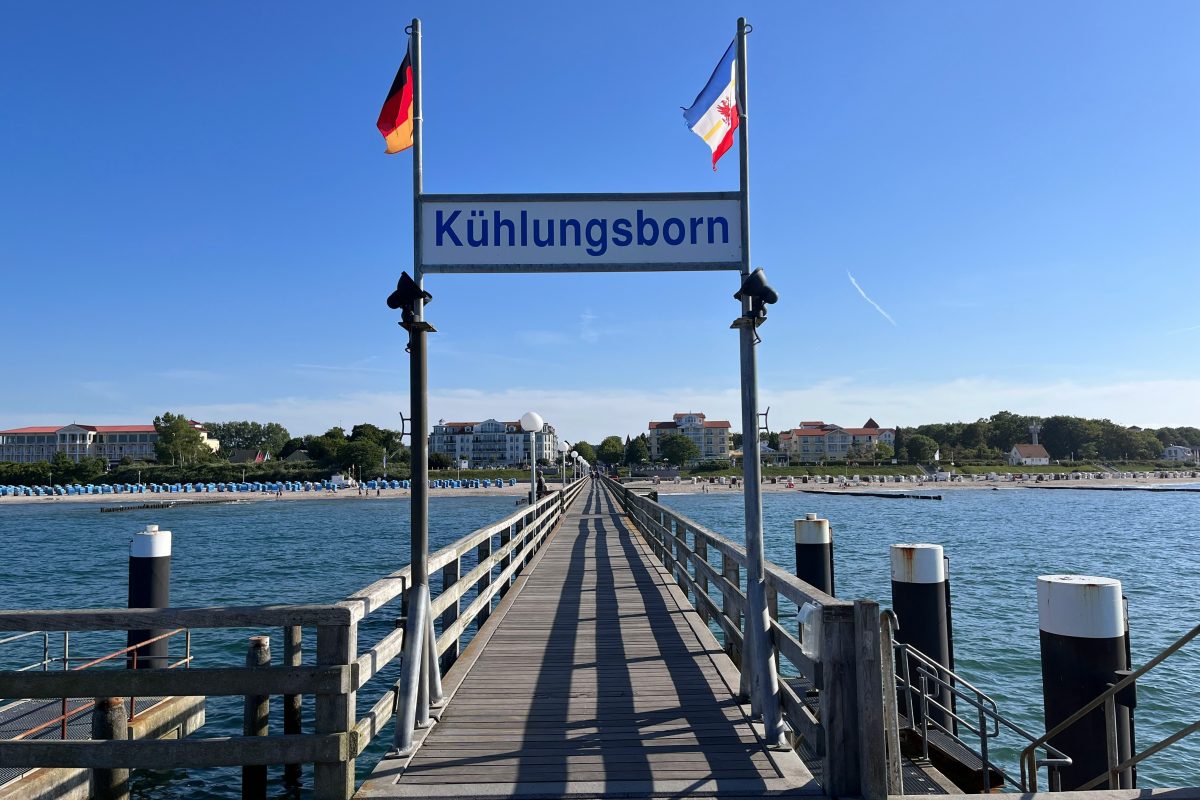 ©J. Schiemann via Unsplash
A man over the age of 75 has died in Germany after contracting a Vibrio infection during a stay on the Baltic Sea. The Berlin health agency Lageso confirmed on Tuesday that this is the third case recorded in the German capital this summer.
According to the authorities, three Berlin residents were infected with the dangerous Vibrio bacteria this summer. One person died, and two others developed sepsis. All three of those affected were over 75 years old and thus belonged to the high-risk group. Two of the three infections were likely caused by wound or skin contact with seawater in Mecklenburg-Western Pomerania. The victims are from the Berlin districts of Marzahn-Hellersdorf, Pankow, and Steglitz-Zehlendorf.
Why the Baltic Sea Is Becoming Increasingly Dangerous
Vibrio bacteria occur naturally in fresh, brackish, and saltwater. However, at water temperatures above 20 degrees, the bacteria can multiply rapidly, especially in shallow, rapidly warming coastal areas. The Baltic Sea is particularly susceptible due to its low salinity.
The Vibrio season started unusually early this year. By mid-July, the Robert Koch Institute (RKI) had already recorded 17 infections contracted in Germany, two of which were fatal. That is significantly more than in previous years: there were four in 2025, nine in 2024, and only one in 2023.
At-Risk Groups and Warnings
Health authorities warn that the elderly, immunocompromised individuals, and people with underlying conditions such as diabetes, liver disease, or severe heart disease are particularly at risk. People with open wounds are at the highest risk. The health department in Kiel advises people with fresh or large wounds not to swim in warm Baltic Sea water. For smaller cuts, cover them with a waterproof bandage. If contact with seawater has occurred, the wound should be thoroughly rinsed with clean tap water and closely monitored.
Symptoms: When to See a Doctor Immediately?
Anyone who, after contact with Baltic Sea water, notices a wound that quickly turns red, becomes severely swollen, throbs, or is extremely painful—possibly accompanied by a fever or chills—should immediately consult a doctor or go to the emergency room. The incubation period ranges from four to 96 hours. With early treatment using antibiotics, the infection can usually be successfully treated. However, the diagnosis is often made too late.
Climate Change as a Driving Force
Experts point out that the increase in Vibrio infections is linked to climate change and the warming of coastal waters. What was once a rare problem is increasingly becoming a real health risk during hot summers.
©J. Schiemann via Unsplash - illustrative image of a German location on the Baltic Sea.